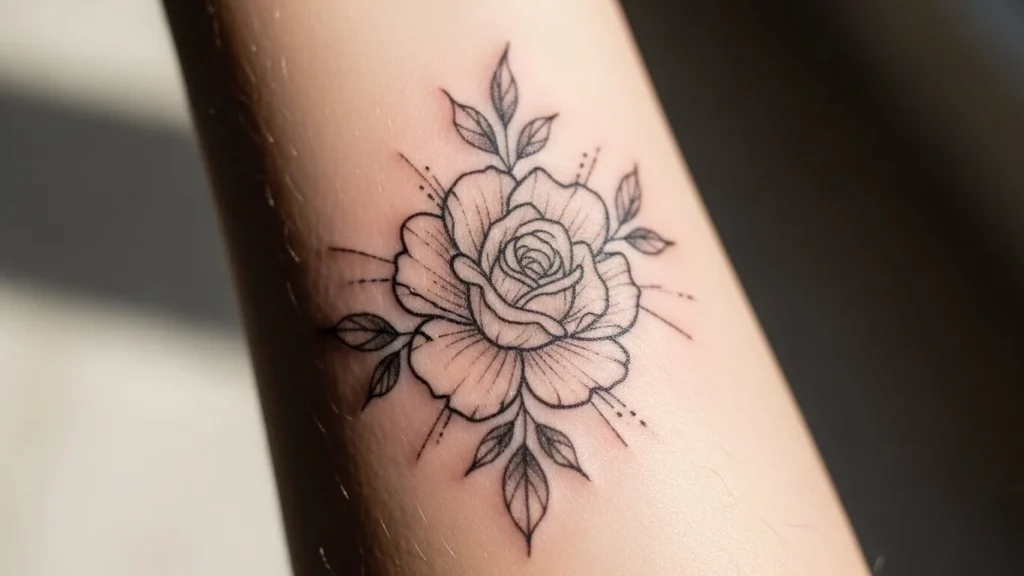
Sometimes you don’t want to remove a tattoo completely — you just want it lighter, softer, or less noticeable. Maybe you’re planning a future redesign, or maybe the tattoo simply doesn’t feel as bold as it once did. The idea of fading a tattoo naturally sounds appealing because it feels gentle, low-risk, and skin-friendly.
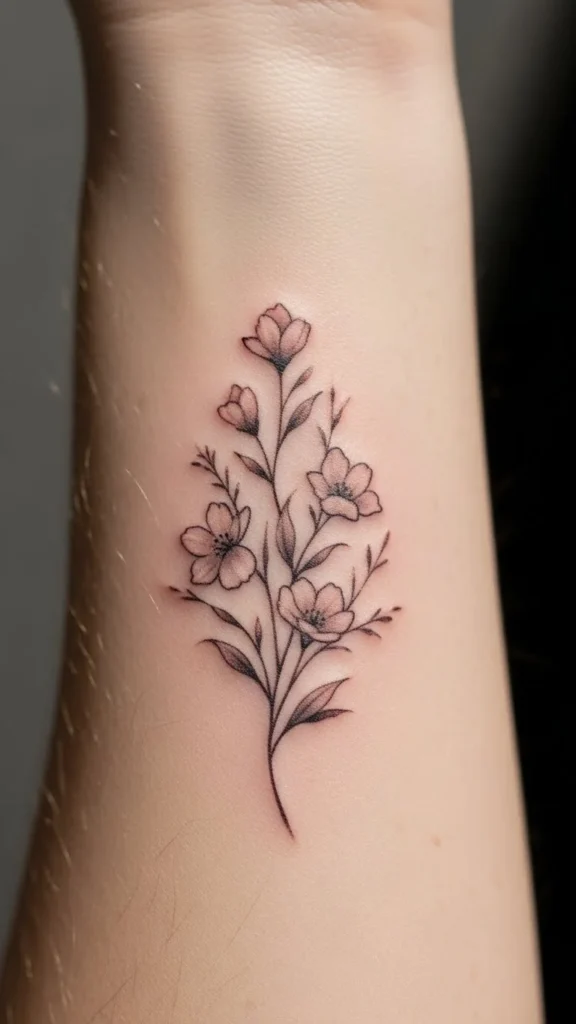
The truth? Natural fading is possible, but it takes time, patience, and the right expectations. This guide walks you through what truly works, what’s safe, and what to avoid.
First: What “Natural Fading” Really Means
Let’s set realistic expectations right away.
Natural tattoo fading:
- Happens gradually
- Lightens ink over months or years
- Does not erase tattoos completely
- Depends heavily on skin type and placement
If you’re looking for instant results, natural methods won’t deliver that. But if subtle fading is your goal, you’re in the right place.
Why Tattoos Fade on Their Own
Tattoos fade naturally because your body is always renewing skin cells.
Common natural fading factors include:
- Sun exposure over time
- Skin cell turnover
- Dry or aging skin
- Friction from clothing
- Immune system processing ink slowly
You can’t stop this process — but you can guide it safely.
Sun Exposure (Controlled, Not Extreme)
Sunlight is one of the most powerful natural fading factors — but it must be approached carefully.
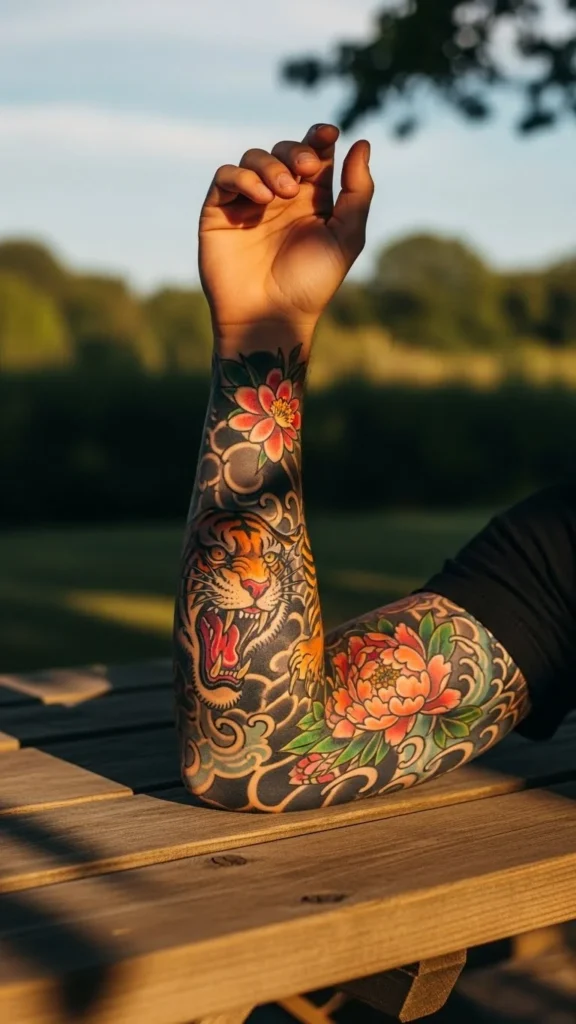
How sunlight contributes to fading:
- UV rays slowly break down ink particles
- Color tattoos fade faster than black ink
- Repeated exposure accelerates lightening
⚠️ Important:
- Avoid burns or excessive exposure
- Never intentionally damage skin
- Long-term, mild exposure causes gradual fading — not instant results
This method works slowly and should never compromise skin health.
Let Skin Regeneration Do Its Job
Your skin naturally renews itself every few weeks.
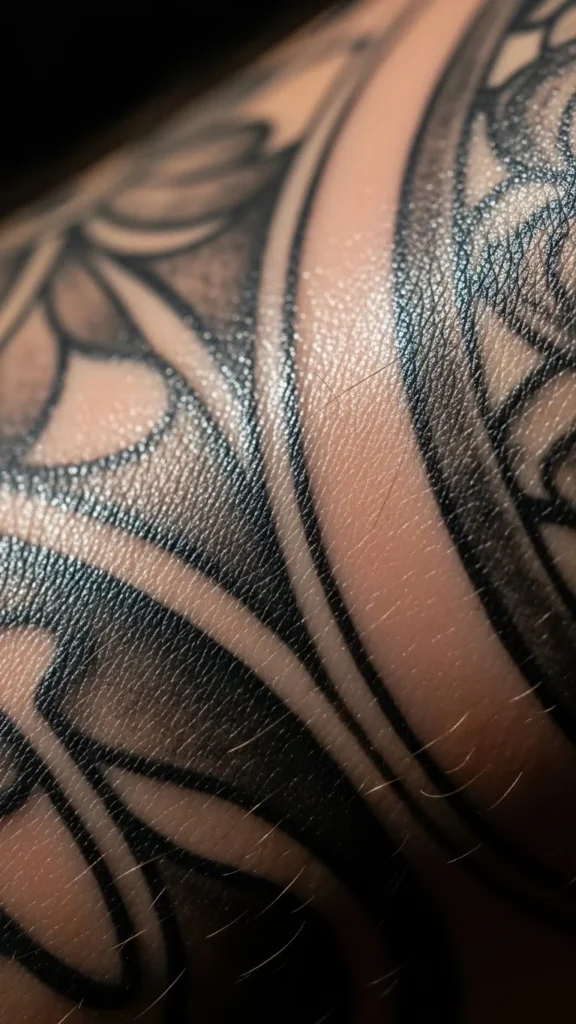
To support this process:
- Keep skin clean and healthy
- Stay hydrated daily
- Maintain balanced nutrition
- Avoid harsh products on tattooed areas
Healthy skin cycles more efficiently, allowing ink to fade naturally over time.
Gentle Exfoliation (With Caution)
Light exfoliation can support natural fading — but overdoing it causes damage.
Safe exfoliation habits:
- Use gentle exfoliation 1–2 times per week
- Focus on overall skin health, not scrubbing ink
- Avoid rough tools or aggressive techniques
❌ Never scrub until skin is irritated
❌ Never exfoliate broken or sensitive skin
Exfoliation helps remove surface skin cells — it does not erase ink directly.
Moisturizing Changes How Tattoos Look
This may sound surprising, but moisturizing affects visibility.
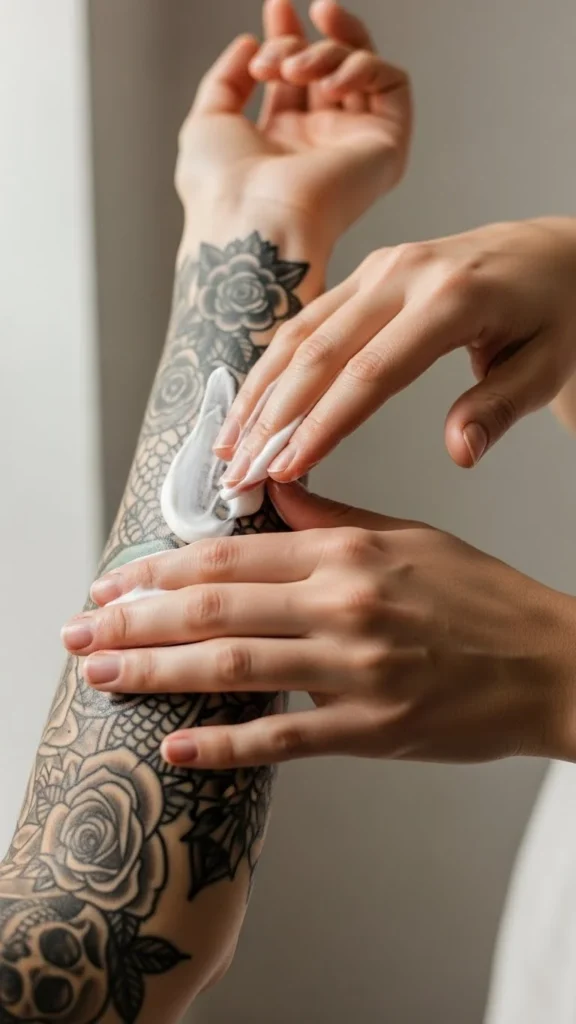
Here’s how:
- Well-moisturized skin makes tattoos look sharper
- Drier skin can make tattoos appear lighter and duller
If your goal is fading, consistent hydration won’t erase ink — but inconsistent care can contribute to subtle dulling over time. Just don’t let skin become unhealthy or cracked.
Lifestyle Factors That Influence Fading
Your daily habits matter more than you think.
Tattoos fade faster when:
- Skin is frequently exposed to sunlight
- The area experiences constant movement
- The tattoo is on hands, feet, or joints
- The skin stretches or changes over time
This is why tattoos on fingers or ankles fade naturally much faster than tattoos on the back or chest.
What You Should NOT Try
There’s a lot of bad advice online — avoid it.
Never attempt:
- Harsh scrubbing
- Chemical treatments at home
- Acid-based creams
- Abrasive tools or sanding
- Internet “natural removal hacks”
These methods can cause:
- Scarring
- Infections
- Uneven skin tone
- Permanent damage
If a method promises fast fading, it’s probably unsafe.
When Natural Fading Makes Sense
Natural fading works best if:
- You want the tattoo lighter, not gone
- You’re planning a future touch-up or redesign
- The tattoo is already several years old
- You’re patient and realistic
If you want full removal or dramatic change, professional options are safer and more effective.
How Long Does Natural Fading Take?
This varies a lot.
Typical timelines:
- Subtle changes: several months
- Noticeable fading: years
- Complete disappearance: unlikely
Color tattoos fade faster than black ink, and fine-line designs fade faster than bold styles.
Final Takeaway: Slow, Safe, and Skin-First
Fading a tattoo naturally is about time and skin health, not force.
✔ Let your body work gradually
✔ Protect your skin from damage
✔ Avoid risky shortcuts
✔ Set realistic expectations
Your skin is not a canvas you can erase overnight — it’s something you protect.