Small tattoos look effortless when they’re done right… but style choice is where most people get stuck. Minimal? Fine line? Bold blackwork? Micro-realism? They all look amazing on Pinterest — yet they heal differently, age differently, and fit different personalities.
The goal isn’t picking what’s trending. It’s picking the style that will still look clean on your skin months (and years) later.
Start With “You”: Style Should Match Personality + Meaning
Before you choose a style, choose your why. A tiny tattoo has less room to “explain itself,” so your style needs to match your vibe.
Try this quick style-personality match:
- Quiet, simple, calm energy → minimalist / negative space
- Soft, delicate, romantic → fine line / single-line
- Confident, graphic, high contrast → bold blackwork
- Sentimental and detailed → micro-realism (only with the right artist)
Two questions that instantly clarify your direction:
- Do I want this tattoo to feel like a whisper or a statement?
- Would I rather see clean shape or tiny detail?
If your tattoo has personal meaning, any style can work — but the best style makes that meaning readable at a small size.
Minimalist Style: The Timeless “Starter” Option
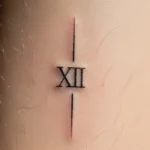
Minimal tattoos are popular for a reason: they’re clean, simple, and harder to regret.
What minimalist does best:
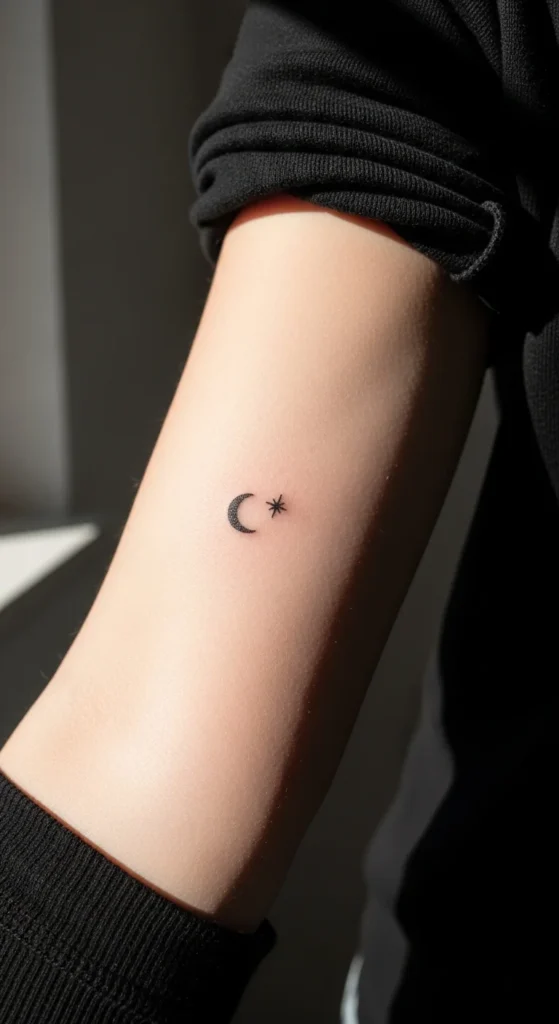
- Tiny icons (heart, star, wave, moon)
- Simple outlines (leaf, flower, butterfly silhouette)
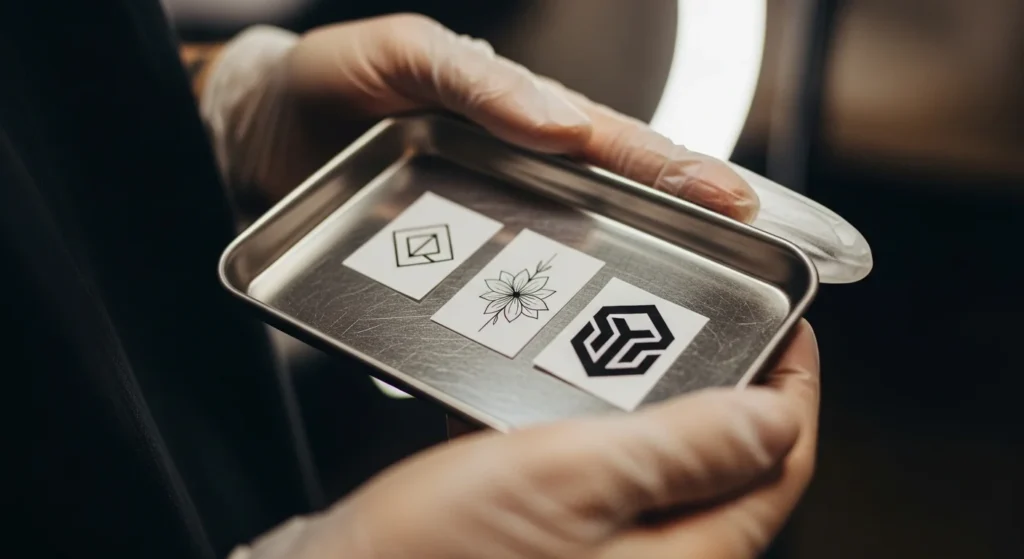
- Small geometric shapes (triangle, circle, line symbols)
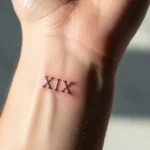
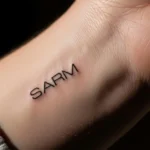
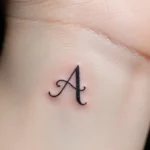
- Minimal script (short words, not long sentences)
Why it’s beginner-friendly:
- Fewer lines = less chance of turning blurry
- Less detail = still readable when small
- Usually quicker sessions (and often less painful)
Clean tattoo rule: Minimalism looks best on flatter, stable skin (forearm, upper arm, shoulder blade) where the design won’t warp.
Fine Line: Gorgeous… But Needs Smart Planning
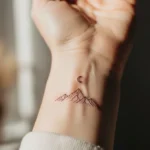
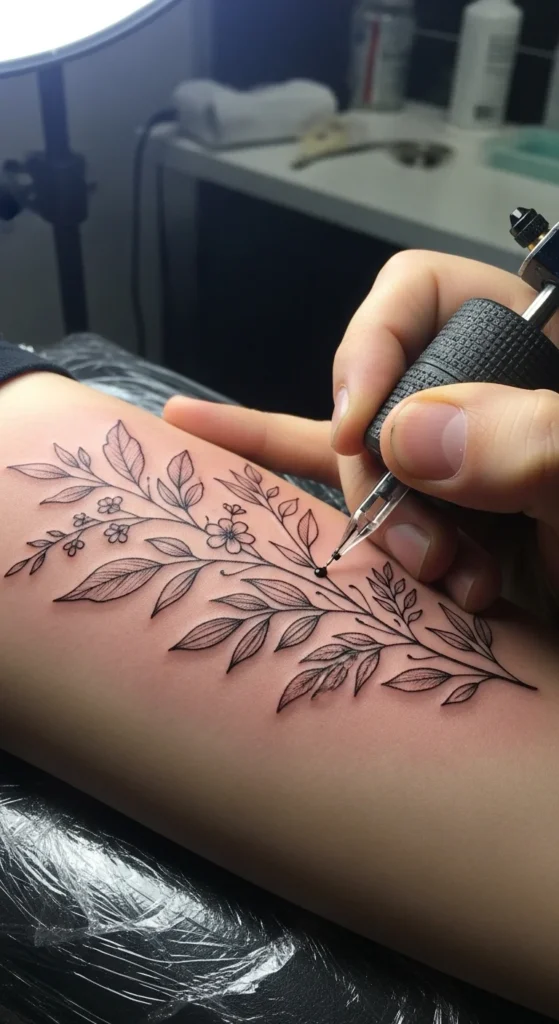
Fine line is the “luxury look” of small tattoos: delicate, precise, elegant. It’s also the style where artist skill matters the most.
Best fine-line small tattoo ideas:
- Tiny florals (lavender, rose outline, fern sprig)
- One-line continuous designs (faces, petals, hearts)
- Thin script words or short phrases
- Minimal animals (cat outline, bird silhouette)
The honest fine-line truth:
Thin lines can fade or soften faster if:
- the lines are too thin for your skin
- the placement gets lots of friction or sun
- the artist doesn’t specialize in fine line
Make fine line last longer with these choices:
- Choose slightly thicker fine lines (still delicate, just smarter)
- Avoid high-friction spots (fingers, side of hands, shoe-rub areas)
- Pick designs with breathing room (not crowded micro-detail)
If you love fine line, your best move is picking a specialist and letting them adjust the line weight for longevity.
Bold Styles: Blackwork, Icons, and “Small But Strong”
If you want your tiny tattoo to stay readable from across the room (or just age with strong clarity), bold styles are your friend.
Bold small tattoo styles include:
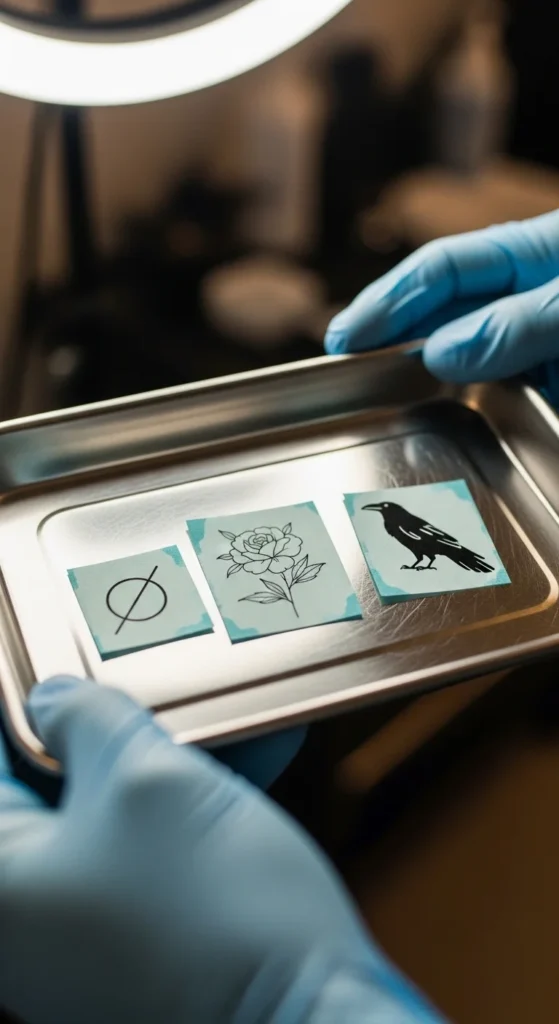
- Blackwork icons (solid heart, lightning bolt, anchor, tiny sun)
- Thicker linework (outlined symbols with confident strokes)
- Simple stamp-style designs (small graphic motifs)
- Micro “bold minimal” (small shape, high contrast)
Why bold often ages well:
- Higher contrast = still readable as skin naturally changes
- Less “delicate haze” than ultra-thin fine line
- Works great in visible placements like wrist/forearm
Bold doesn’t mean huge. It means the design has enough visual weight to remain crisp and recognizable long-term.
Micro-Realism + Trend Styles: Only If You’re Ready
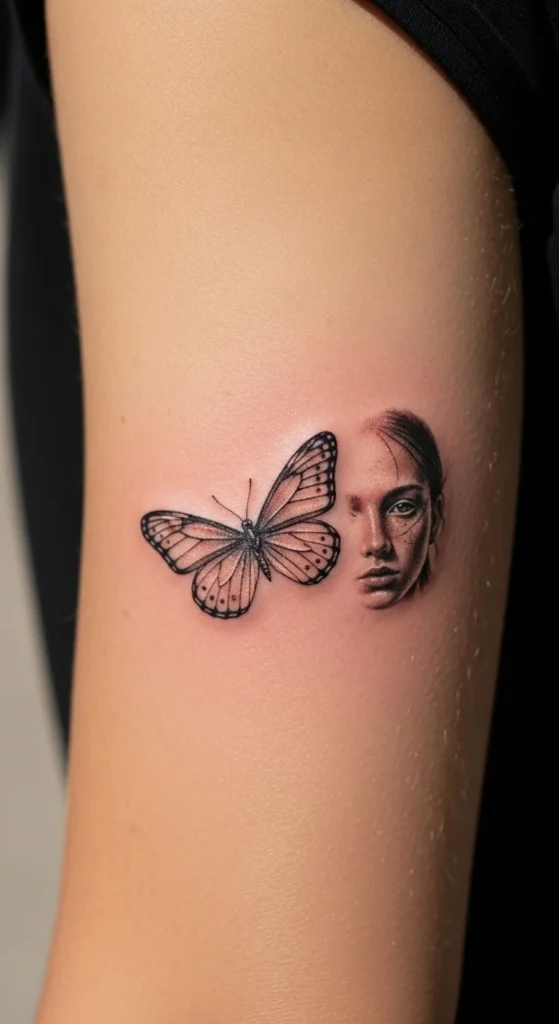
Micro-realism is trending (tiny portraits, detailed animals, miniature scenes). It looks incredible when done by the right artist… and disappointing when done by the wrong one.
Micro-realism works when:
- You’re okay with a slightly larger “small” size (often 2–4 inches)
- The artist has a strong healed-photo portfolio
- You choose a design that can survive simplification
Micro-realism warning sign: if the design relies on tiny details that can’t be seen from a normal distance, it may age into a blur of shading.
Other trend-forward styles you may see:
- Dot-work texture (soft shading, meditative look)
- Ornamental/craft-core (lace-like details—beautiful but needs space)
- Cybersigilism (futuristic, sharp shapes—best kept simple at small scale)
- Fine line + watercolor hybrids (pretty, but aftercare matters)
If you love a trend, do a quick “future test”:
- Would I still love this if it looked 10% softer in two years?
The “Longevity Test”: Pick the Style That Will Heal Clean
Here’s a super practical way to decide:
Ask your artist these 3 questions:
- “Will this style stay readable at this size?”
- “Should we adjust line thickness for my skin?”
- “Do you have healed examples similar to this?”
Quick longevity guide (general)
- Bold icons / thicker lines → usually longest readability
- Minimalist outlines → strong longevity if not too tiny
- Fine line → can last beautifully, but needs expert execution + smart placement
- Micro-realism → high-skill, higher risk if too small
And remember: aftercare is part of style choice. Delicate styles need extra protection from sun and friction to stay sharp.
Final Takeaway: Choose a Style You’ll Still Love in Real Life
If you’re stuck between minimal, fine line, and bold, choose based on this:
- Want timeless + low-regret → minimalist
- Want soft + elegant → fine line (with a specialist)
- Want maximum clarity → bold blackwork/icon style
Then do one final step: save 10 designs you love, and circle what they all have in common (line weight, detail level, subject). Your style will reveal itself fast.
Save this guide for later — and bring your favorites to your artist so they can help you choose a style that heals clean and stays beautiful.