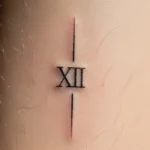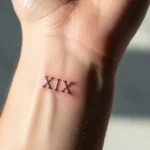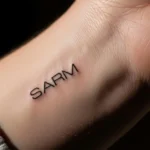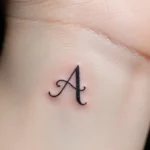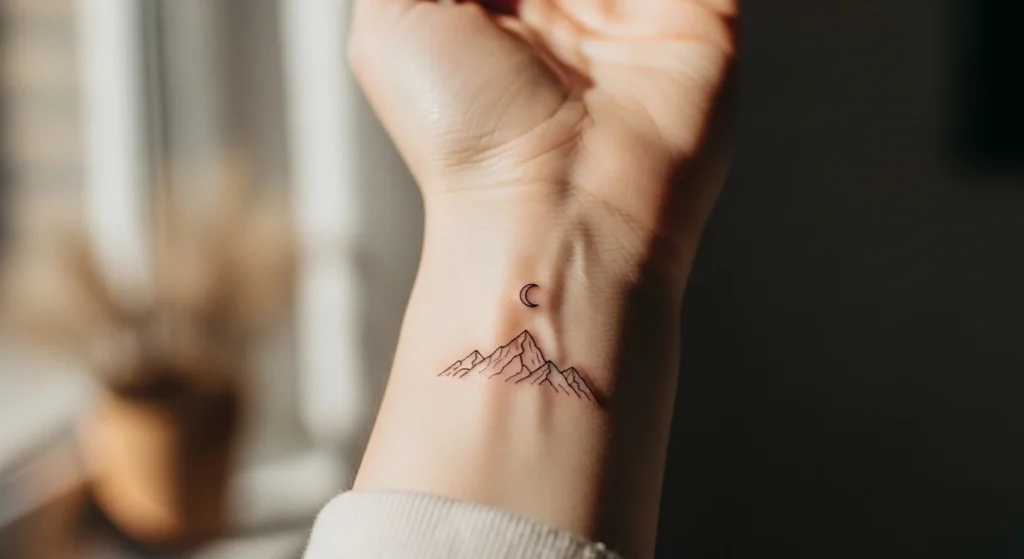
You’re not choosing a sticker—you’re choosing something that will outlive your current mindset. That’s where most people get it wrong. They chase trends, copy Pinterest boards, and end up with a symbol that meant something… for about three weeks.
If you’re going to put something permanent on your body, it better earn that space.
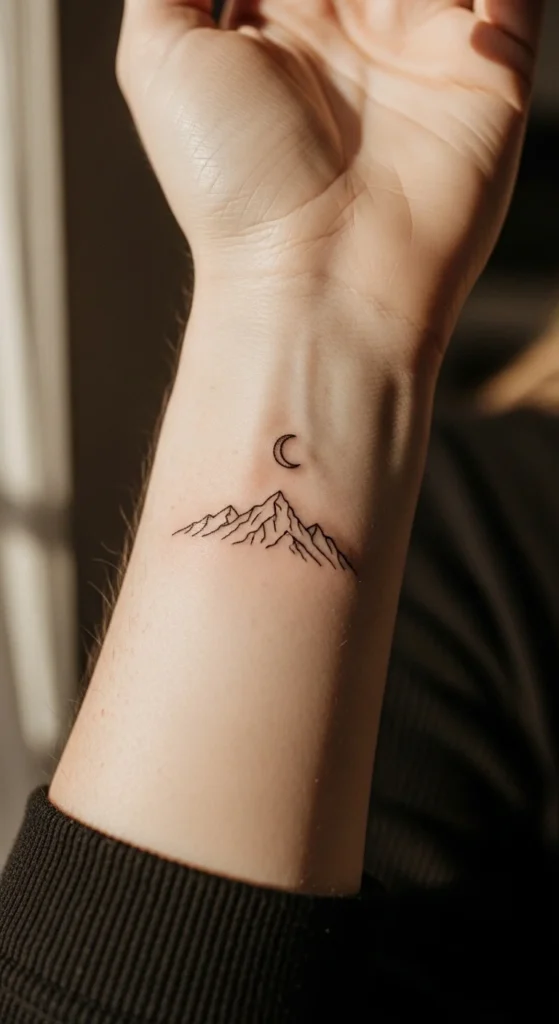
Stop Copying Symbols—Define What Actually Matters to You
Here’s the uncomfortable truth: a semicolon doesn’t mean resilience unless it actually reflects your story. A butterfly doesn’t equal transformation if you haven’t gone through anything that changed you.
You don’t need a “deep” symbol. You need an honest one.
Before you even look at designs, force yourself to answer:
- What moment changed how I see life?
- What am I trying to remind myself of daily?
- What am I afraid of forgetting?
If you can’t answer these clearly, you’re not ready for a meaningful tattoo—you’re just decorating yourself.
Match the Symbol to Your Story (Not the Internet’s)
Once you know what matters, then you pick a symbol. Not the other way around.
Here’s how to think about common symbols without being generic:
- Semicolon → survival, but only if you’ve actually struggled and continued
- Heart outline → not “love,” but what kind of love? self-respect? loss? commitment?
- Arrow → direction after confusion, not just “moving forward”
- Butterfly → transformation with a before-and-after, not just aesthetics
- Infinity loop → something ongoing—identity, connection, or belief
Most people skip the nuance. That’s why their tattoos feel empty later.

Choose Placement Based on Reality, Not Aesthetic Fantasy
People obsess over where a tattoo looks good. That’s shallow thinking. You need to think about:
- Visibility – Do you want to see it daily or forget it exists?
- Wear and tear – Hands and fingers fade fast. That’s not opinion—it’s physics.
- Body movement – Joints distort designs over time.
Smart placement choices:
- Inner wrist → constant reminder, but visible to others too
- Collarbone → subtle, elegant, less distortion
- Behind ear → discreet, but you’ll barely see it yourself
- Forearm → stable skin, holds detail longer
Bad decisions people regret:
- Finger tattoos (fade quickly)
- Ultra-micro designs (<1 cm) that blur into dots
- Stretch zones like knuckles or elbows
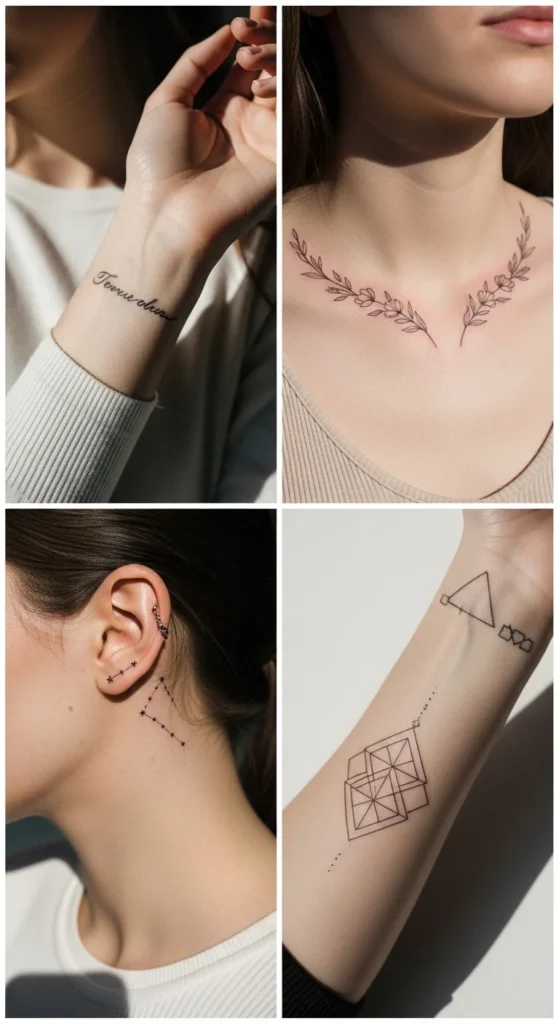
Understand the Reality of Fine-Line Tattoos
Fine-line tattoos look clean at first. That’s why they’re trending. But here’s what no one tells you:
- Thin lines spread over time
- Poor artists turn clean lines into blurry ink
- Micro tattoos age faster than you expect
If you insist on fine-line:
- Choose an artist who specializes in it (not someone who “also does it”)
- Avoid ultra-tiny designs
- Stick to black ink—it ages better than color
This isn’t about fear—it’s about avoiding predictable mistakes.
Test the Tattoo Before You Commit
You wouldn’t marry someone after one conversation. But you’re ready to permanently mark your body after a 10-minute decision?
That’s reckless.
Do this instead:
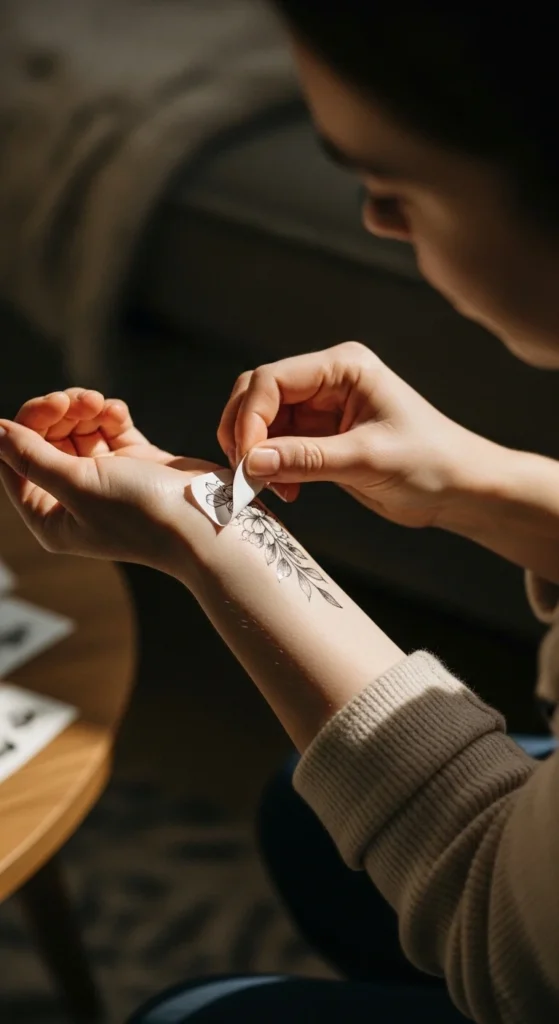
- Draw it on your skin for a week
- Use a temporary tattoo version
- Look at it daily—does it still feel right, or does it fade into the background mentally?
If it stops feeling meaningful after a few days, that’s your answer.
Add Depth Without Making It Complicated
Minimal doesn’t mean shallow. You can layer meaning subtly:
- Combine symbols (e.g., heart + arrow = love with direction or pain + growth)
- Adjust line style (broken lines, continuous lines, spacing)
- Play with placement to reinforce meaning
Example:
A tiny star alone = hope
A small constellation = guidance through chaos
Same theme, completely different depth.
Most people keep things simple because they’re lazy—not because it’s intentional.
Don’t Ignore the Artist—They Make or Break Everything
You can have the best idea in the world. A mediocre artist will ruin it.
Stop choosing based on price or convenience. Instead:
- Review healed work, not fresh tattoos
- Look for consistency in fine lines
- Avoid artists who copy designs instead of adapting them
If their portfolio looks like a Pinterest board, walk away.
Final Thought: If It Doesn’t Still Matter in 5 Years, Don’t Do It
This is where you need to be brutally honest with yourself.
Trends change. Aesthetic preferences change. Even your personality evolves.
But certain things don’t:
- Core values
- Defining experiences
- Lessons that shaped you
That’s what belongs on your body.
Everything else is temporary thinking trying to justify a permanent decision.
Choose slowly. Think deeper than most people are willing to. And if you get it right, your tattoo won’t just look good—it’ll mean something every time you see it.
Save this for later—because rushing this decision is exactly how people end up regretting it.