A tattoo you no longer love doesn’t have to stay a regret forever. Cover-up tattoos have come a long way, and with the right choices, they can look even better than the original. The key isn’t just picking any new design—it’s choosing one that truly works with what’s already there.

If you’re thinking about a cover-up, this guide will help you make smart decisions so your new tattoo feels intentional, balanced, and something you’re proud to show off.
Start by Understanding the Tattoo You’re Covering
Before you think about new designs, you need to look closely at the old one.
Ask yourself:
- How dark is the existing ink?
- Are the lines thick or thin?
- Is the tattoo faded or still bold?
- What shape does it naturally form?
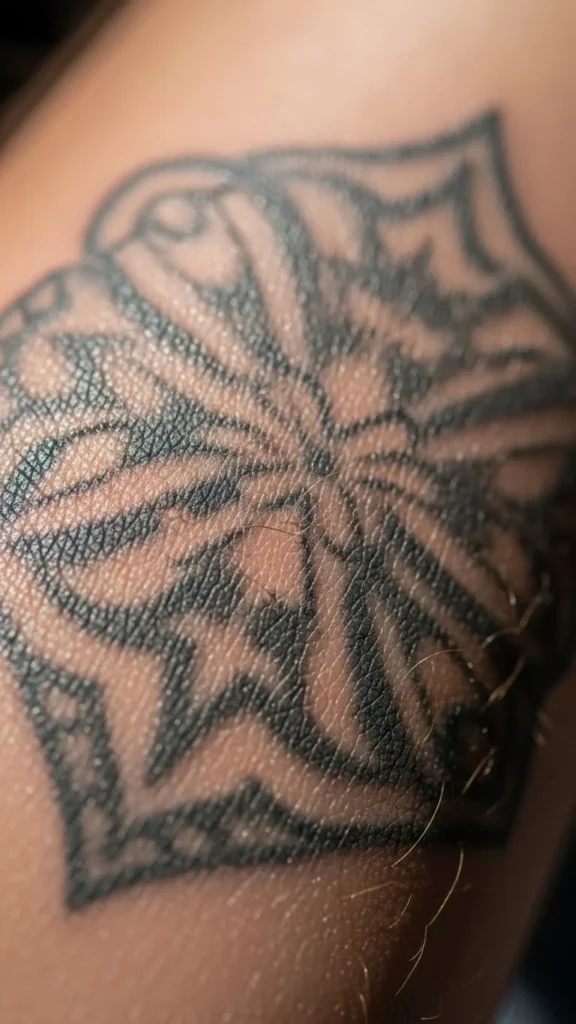
Dark, bold tattoos usually need designs with strong shading or depth, while lighter or faded tattoos allow more flexibility. Knowing these limits upfront saves disappointment later.
Choose Styles That Naturally Hide Old Ink
Some tattoo styles are simply better at cover-ups.
Styles that work well:
- Florals: Layered petals and leaves break up old lines
- Nature designs: Animals, feathers, and plants create movement
- Geometric patterns: Structured shapes with depth distract the eye
- Illustrative designs: Rich shading and texture soften old ink

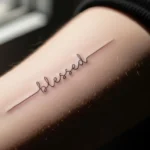
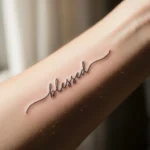
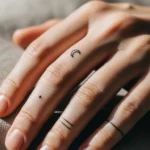
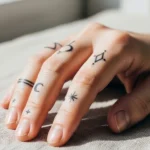
Minimalist or fine-line designs usually don’t work well for cover-ups because they don’t have enough density to hide existing ink.
Go Slightly Bigger (Not Overwhelming)
One of the most common mistakes is choosing a design the same size as the old tattoo.
In reality:
- Cover-ups usually need to be a bit larger
- Extra space allows blending and smooth transitions
- Bigger designs look more natural than cramped ones
This doesn’t mean oversized—it just means giving the artist enough room to work magic.
Use Shading and Depth, Not Just Darkness
Many people think cover-ups must be solid black. That’s not true.
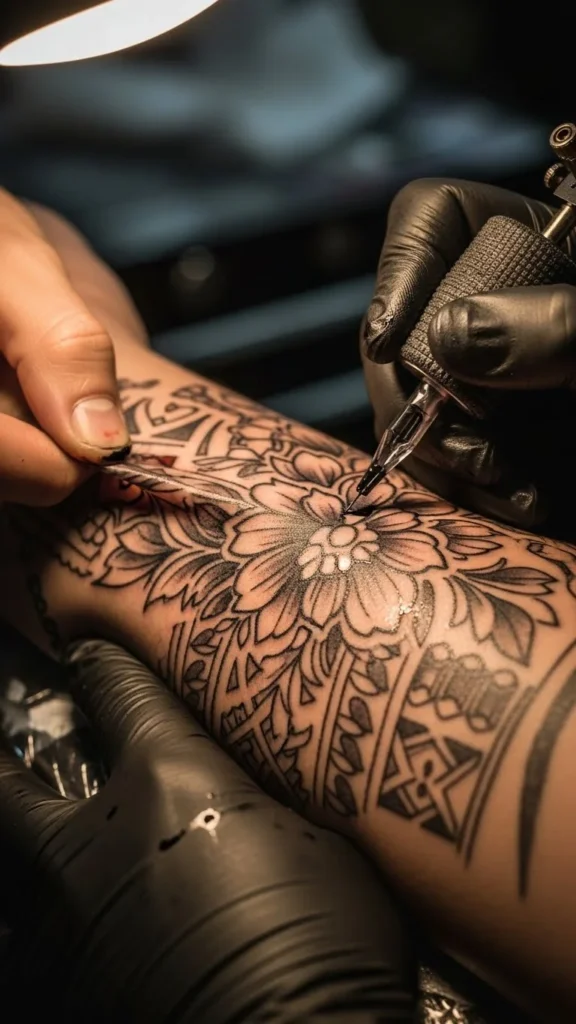
What really hides old tattoos is:
- Layered shading
- Gradual transitions
- Texture and contrast
- Visual flow that guides the eye
A skilled artist uses depth to redirect attention, making the old tattoo fade into the background visually.
Pick Colors Strategically
Color can be your best friend—or your worst enemy.
Helpful color tips:
- Darker tones hide old ink more effectively
- Earthy or deep shades blend well
- High contrast draws attention to new elements
- Lighter colors alone won’t hide dark ink
You don’t need to avoid color entirely, but it should be used thoughtfully and with purpose.
Work With an Artist Who Specializes in Cover-Ups
Not all tattoo artists enjoy or excel at cover-ups.
Look for an artist who:
- Has real cover-up examples in their portfolio
- Talks honestly about what’s possible
- Suggests design changes instead of saying yes to everything
- Understands how ink ages under new layers
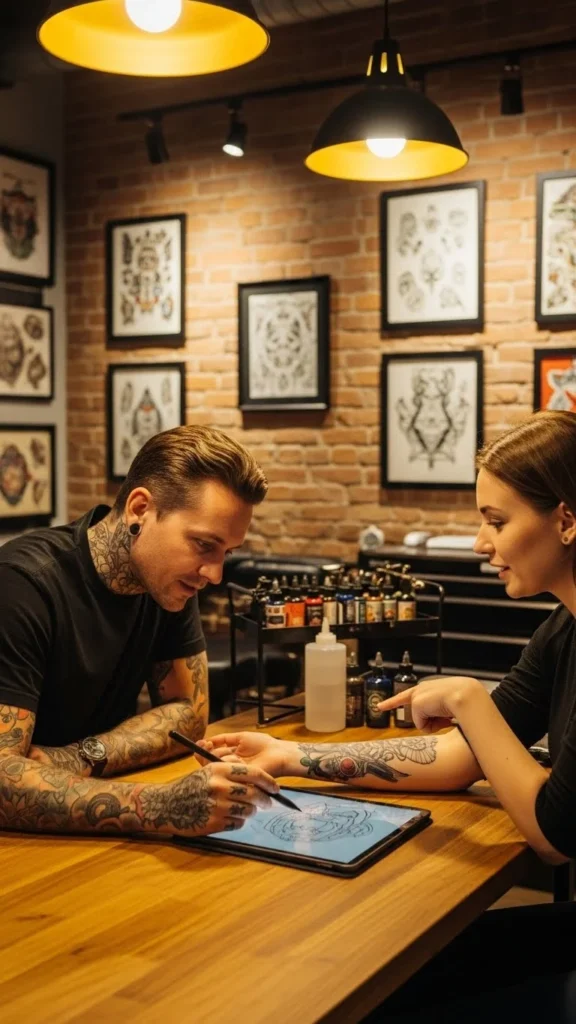
A good cover-up artist focuses on illusion and balance—not just hiding ink.
Be Open to Design Adjustments
Flexibility is essential for a successful cover-up.
You may need to:
- Adjust your original idea
- Add more detail or texture
- Change placement slightly
- Accept a different style than you planned
The best cover-ups often come from collaboration, not rigid expectations.
Avoid These Common Cover-Up Mistakes
Learning what not to do is just as important.
Avoid:
- Thin line designs over dark tattoos
- Rushing the decision
- Copying flash art without customization
- Ignoring artist advice
- Expecting the old tattoo to vanish completely
Cover-ups don’t erase history—they transform it.
Aftercare Makes a Big Difference
Cover-up tattoos often involve more ink and shading, which means aftercare matters even more.
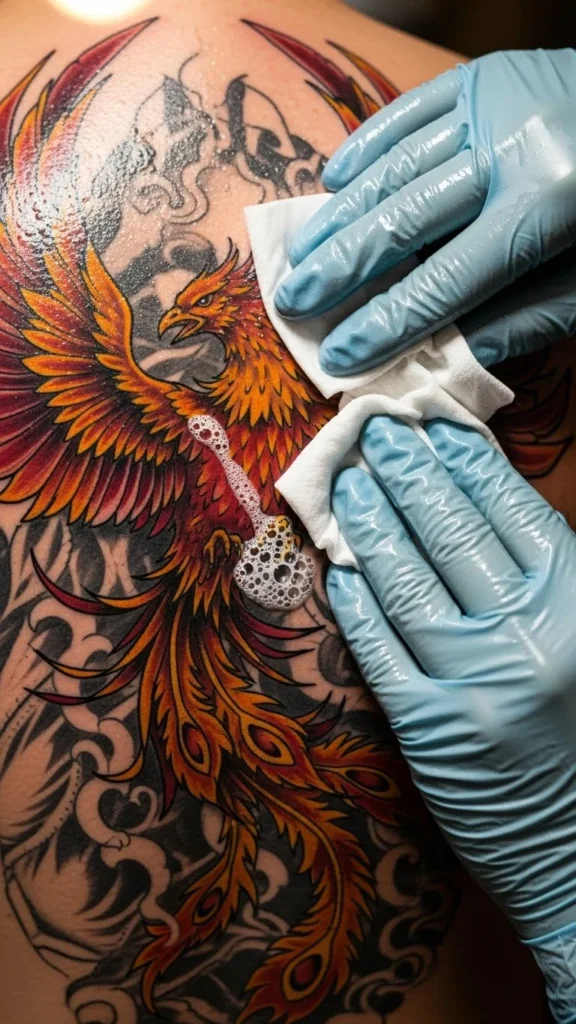
Follow these basics:
- Keep the area clean and moisturized
- Avoid sun exposure during healing
- Wear loose clothing over the tattoo
- Be patient while it settles
Once healed, cover-ups often look smoother and more intentional than the original ever did.
When a Cover-Up Tattoo Is the Right Choice
A cover-up is a great option if:
- The tattoo no longer fits your life
- You want new meaning, not blank skin
- Removal isn’t your goal
- You’re ready for something better
Cover-ups aren’t about hiding mistakes—they’re about growth.
Final Takeaway: Choose Smart, Not Fast
The best cover-up tattoos work because they’re planned, layered, and thoughtfully designed.
✔ Understand the old tattoo
✔ Choose the right style
✔ Trust an experienced artist
✔ Stay flexible with the design
✨ Save this guide for later and take your time—your next tattoo deserves to be one you truly love.