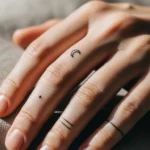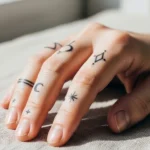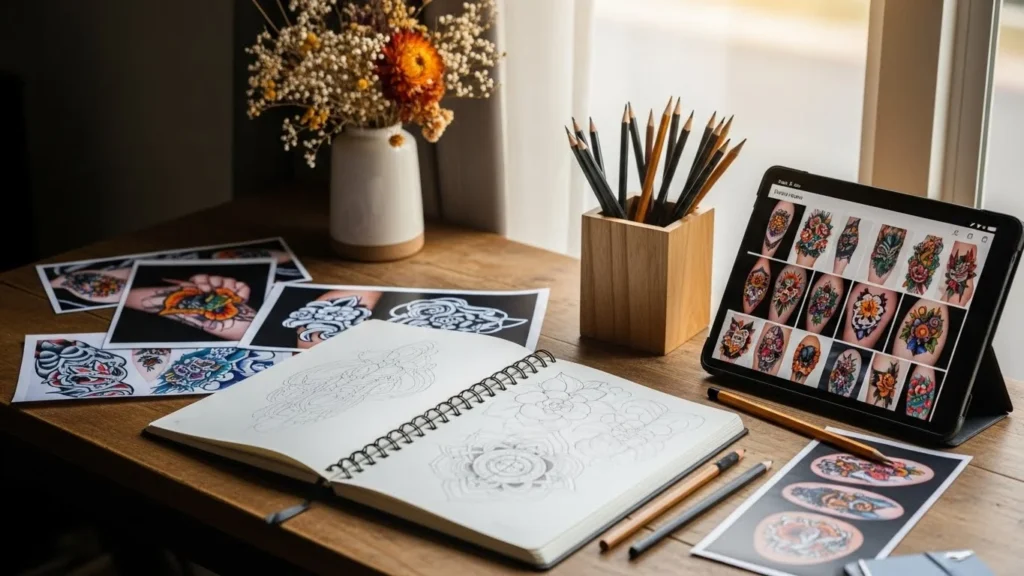
Before the needle ever touches skin, the best tattoos start somewhere quieter—with ideas, images, and feelings slowly coming together. A tattoo inspiration board helps you turn scattered thoughts into a clear vision. It keeps you from rushing, second-guessing, or ending up with something that doesn’t fully feel like you.
Whether this is your first tattoo or your tenth, building an inspiration board is one of the smartest steps you can take.
Start With Feeling, Not Style
Most people begin by searching tattoo styles. A better place to start is emotion.
Ask yourself:
- What do I want this tattoo to feel like?
- Calm, bold, romantic, powerful, playful?
- Is it tied to a memory, phase, or personal value?
Write down a few words that describe the mood you want. These words become your filter. When an image matches the feeling, save it. When it doesn’t, skip it—even if it looks popular.
This step keeps your board personal instead of trendy.
Collect Broad Inspiration First
In the early stage, don’t limit yourself to tattoos only. Inspiration can come from anywhere.
Good sources include:
- Art and illustration
- Nature textures (flowers, waves, stone)
- Fashion details
- Old photographs
- Architecture or patterns
Save anything that sparks interest. You’re not committing yet. You’re gathering ingredients.
Use:
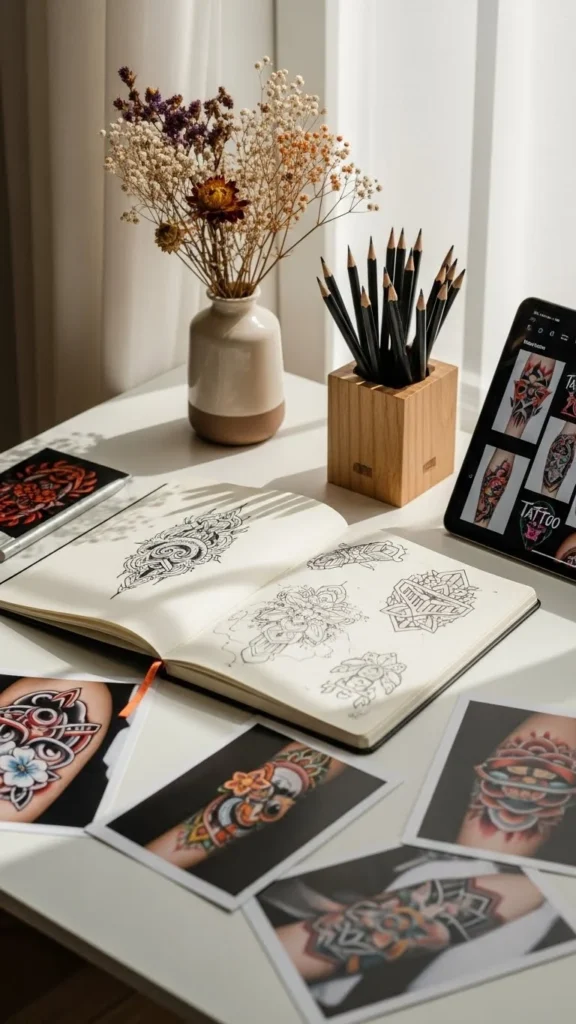
- Pinterest boards
- Phone photo albums
- Screenshots
- Physical clippings
Quantity matters here. Clarity comes later.
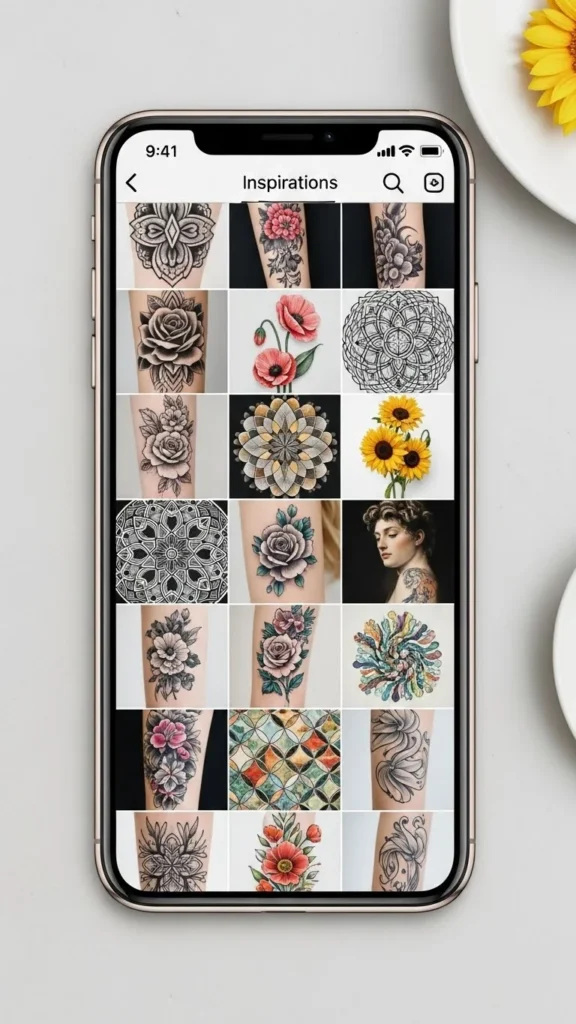
Narrow Down to Common Themes
After collecting for a while, patterns will start to appear. This is where the board becomes powerful.
Look for repeats:
- Same symbols showing up again
- Similar line styles
- Consistent color moods
- Repeated placement ideas
Now ask:
- What do most of these images have in common?
- Which ones still excite me after a few days?
Remove anything that feels random or outdated. Keep what feels aligned.
Your goal is a board that feels cohesive, not crowded.
Separate “Style” From “Subject”
One common mistake is mixing subject and style into one decision. Split them.
Create two mini sections:
- Subject ideas (what the tattoo is)
- Style ideas (how it looks)
For example:
- Subject: flower, animal, symbol, portrait
- Style: fine line, bold, illustrative, minimal
This separation helps your artist design something original instead of copying an image exactly.
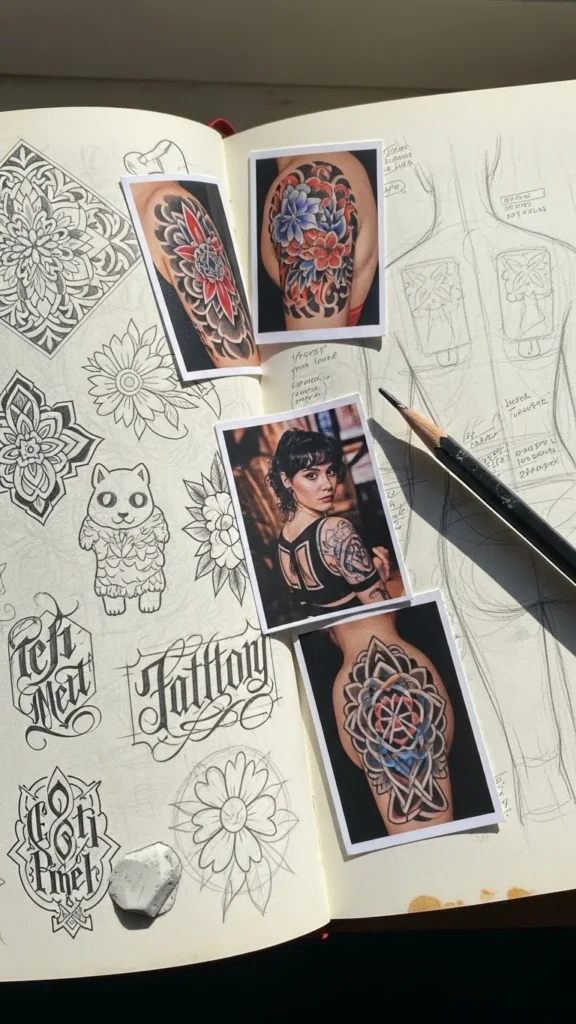
Think About Placement Early
Placement affects how a tattoo looks just as much as the design.
Add reference images that show:
- Where tattoos sit on the body
- How designs flow with muscles
- How size changes the impact
Ask yourself:
- Do I want this visible daily or more private?
- Does the design need space to breathe?
- How does it look when the body moves?
Adding placement inspiration helps avoid awkward sizing later.
Edit Ruthlessly Before Sharing With an Artist
Before you show your board to a tattoo artist, refine it one last time.
Your final board should:
- Have 10–20 strong images
- Clearly show a consistent direction
- Represent your taste, not copied designs
Remove:
- Anything you wouldn’t want permanently
- Styles that don’t match the rest
- Images saved “just in case”
Think of the board as a conversation starter, not instructions.
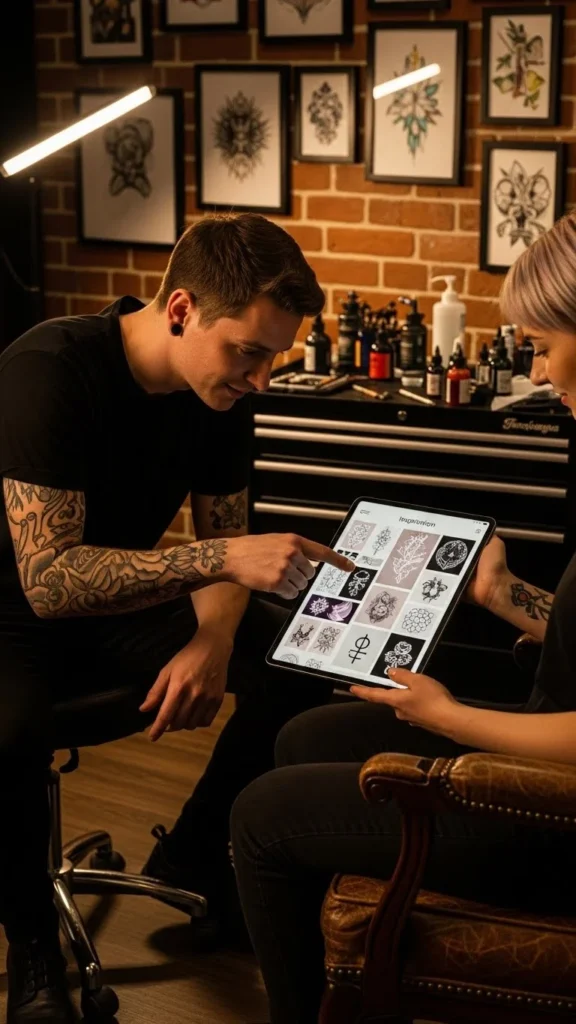
Use the Board as a Collaboration Tool
A great tattoo inspiration board doesn’t limit creativity—it guides it.
When sharing with your artist:
- Explain why you like certain images
- Point out specific details you love
- Be open to professional suggestions
Artists use your board to understand:
- Your taste level
- Your comfort zone
- Your expectations
This leads to a custom tattoo that fits your body and story.
Let the Board Sit Before Final Decisions
Once your board feels complete, pause.
Give it:
- A few days
- A week if possible
Revisit it with fresh eyes. If it still excites you, you’re ready. If something feels off, adjust. Tattoos reward patience.
Final Takeaway
A tattoo inspiration board turns ideas into intention. It helps you slow down, see patterns, and communicate clearly with your artist. More importantly, it helps ensure your tattoo feels meaningful long after the excitement fades.