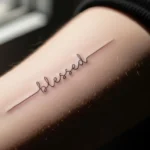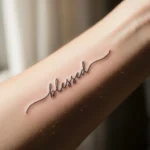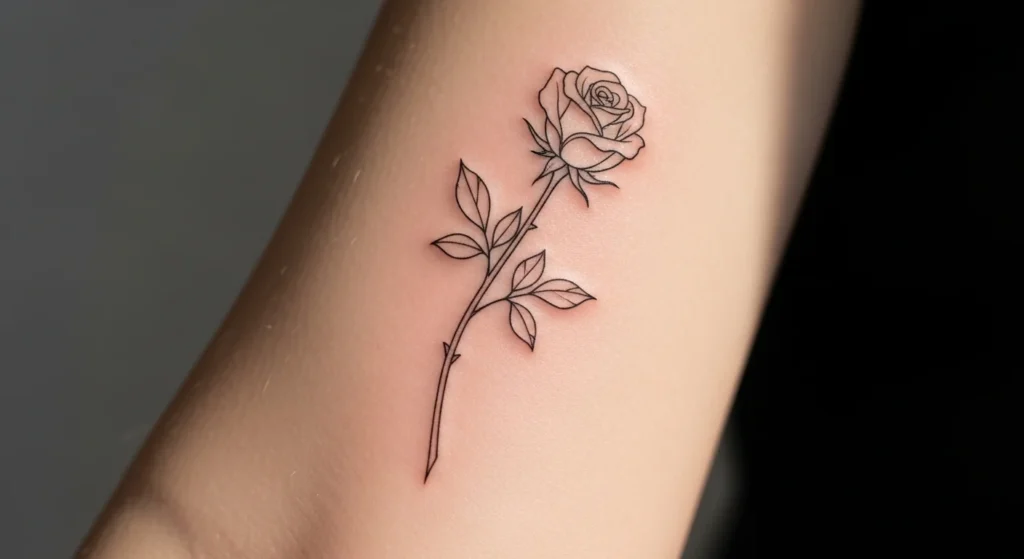
There’s something effortlessly timeless about a fine line rose tattoo. It’s soft but meaningful, minimal but emotional — the kind of design that feels like permanent jewelry on the skin. Whether you love the symbolism of deep passion or simply want a graceful botanical piece, the key is choosing a rose tattoo that stays crisp, elegant, and personal for years to come.
If you’re dreaming of that perfect delicate bloom, this step-by-step guide will help you get it right the first time.
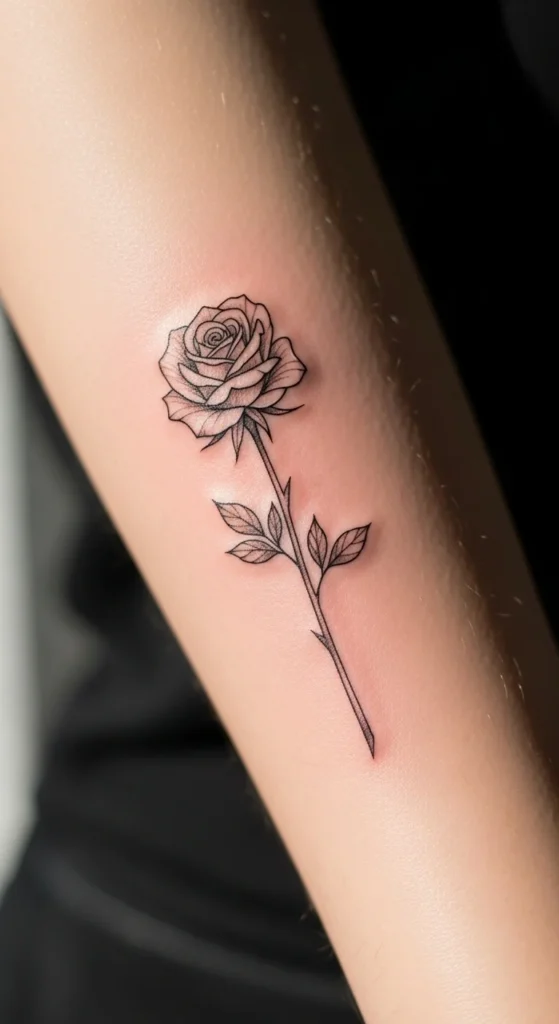
Step 1: Decide What Your Rose Should Symbolize
Before you fall in love with a design on Pinterest, pause and ask: What do I want my rose to mean?
Fine line roses are popular partly because their symbolism is rich and flexible.
Common rose meanings
- Single-stem rose → pure love, devotion, simplicity
- Rose with thorns → beauty and pain, resilience
- Rose bud + bloom → growth, transformation, new chapter
- Fallen petals → letting go, healing, change
- Wild or open rose → freedom and individuality
Pro tip: Write one sentence about why you want this tattoo. That sentence should guide your final design.
Step 2: Choose the Right Fine Line Rose Style
Not all fine line roses look the same. Your style choice will define the overall vibe.
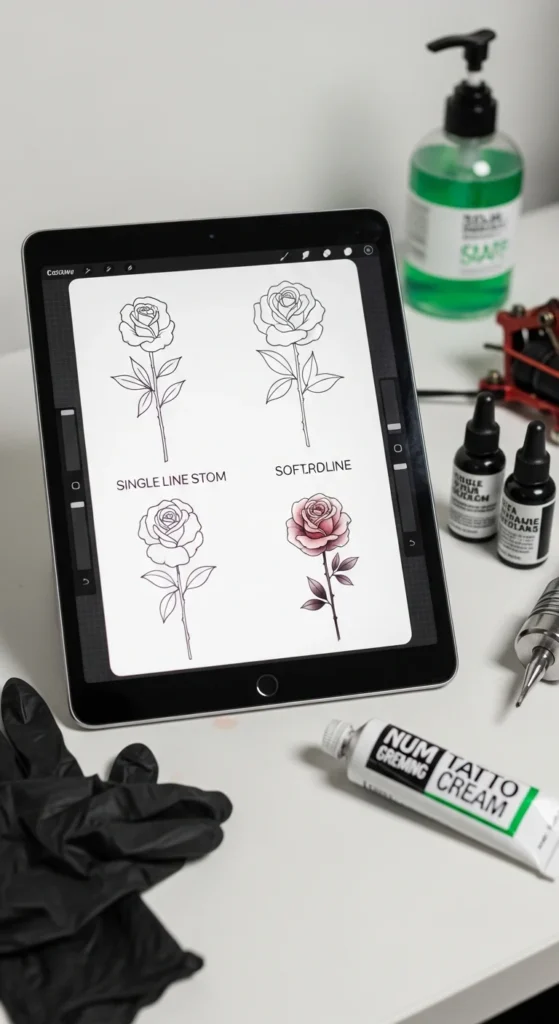
Most popular delicate rose styles (2026 trends)
🌹 Minimal single-stem
- Clean outline
- Timeless and elegant
- Ages well when sized properly
🎨 Soft gradient rose
- Light blush, pink, or sunset tones
- Airy and feminine
- Requires a highly skilled artist
🖊️ Monoline rose
- One continuous line
- Ultra-modern minimalist look
- Best for small to medium sizes
🖤 Monochrome fine line
- Black/grey only
- Subtle depth without bold shading
- Very Pinterest-friendly aesthetic
🌿 Rose with leaf accents
- Adds balance and flow
- Great for vertical placements
Step 3: Pick a Placement That Enhances the Flow
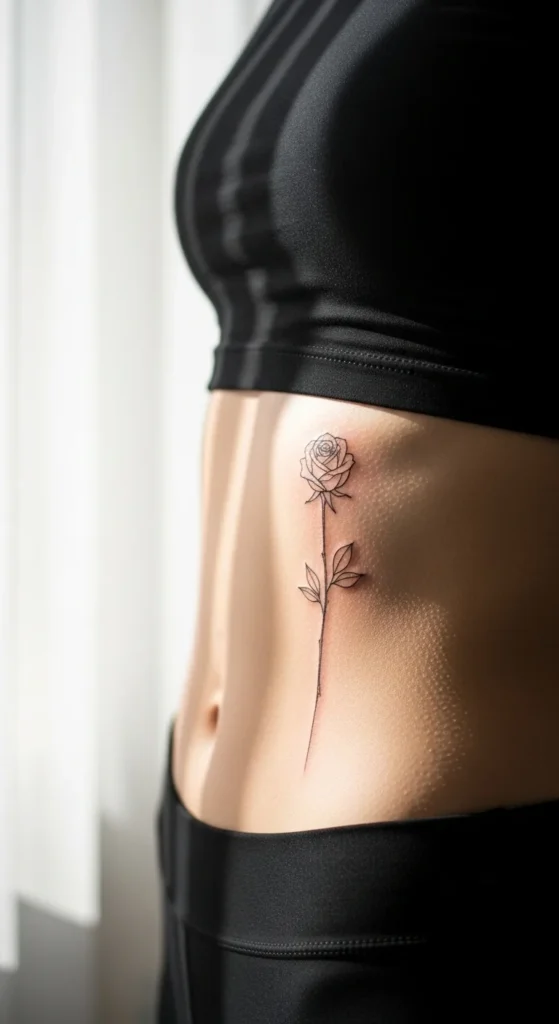
Placement can make or break a delicate rose tattoo. The goal is to let the stem follow your body’s natural lines.
Best placements for fine line roses
- Inner forearm
- Ribcage (vertical stems look amazing)
- Collarbone sweep
- Shoulder blade
- Spine (long elegant stems)
- Upper arm
These areas help the rose look intentional and graceful.
Placements that need extra care
- Ankles and feet (shoe friction)
- Hands and fingers (high wear)
- Areas with heavy sun exposure
Longevity tip: Vertical stems generally hold up better than horizontal layouts, especially on moving areas like ribs.
Step 4: Get the Size Right (Tiny Isn’t Always Better)
One of the biggest regrets with fine line roses? Going too small.
Because roses have layered petals, ultra-tiny designs can blur together over time.
Smart sizing guidelines
- Very tiny (<1 inch) → best for simple buds only
- Small (1.5–2.5 inches) → works for minimalist roses
- Medium (3–5 inches) → best balance of detail + longevity
- Large (6+ inches) → ideal for ribs, spine, or thigh pieces
If your design has:
- multiple petal layers
- soft gradients
- tiny leaf details
…you’ll usually want to size up slightly.
Step 5: Vet Your Artist (This Matters Most)
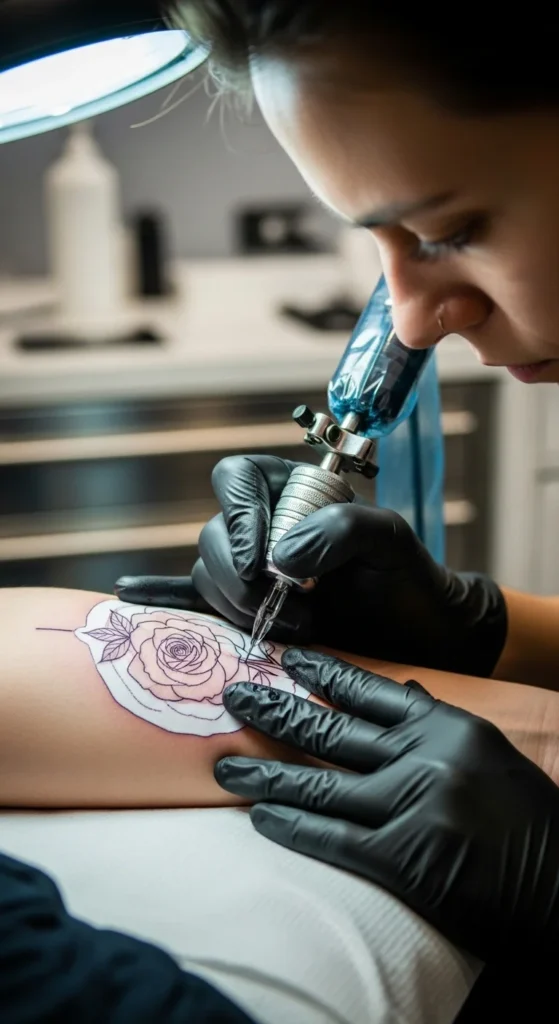
Fine line roses require serious precision. Even a beautiful stencil can age poorly if the artist lacks experience.
What to check in a healed portfolio
- Smooth, consistent line weight
- No fuzzy edges or ink spread
- Petals still clearly defined after healing
- Soft shading that looks airy (not muddy)
Questions worth asking
- “Can I see healed fine line roses?”
- “What size will age best in this placement?”
- “Would you recommend outline-only or soft shading?”
A skilled fine line artist will often suggest subtle adjustments — that’s a good sign.
Step 6: Consider Color vs. Black & Grey
Both options are beautiful — but they age a bit differently.
Black & grey fine line roses
✅ Most timeless
✅ Typically age more predictably
✅ Easier to touch up
✅ Very minimalist aesthetic
Soft color / watercolor roses
✅ Romantic and airy
✅ Trending strongly in 2026
✅ Great for sunset or blush tones
⚠️ May fade faster without proper care
Safe middle ground: black outline + very soft color wash.
Step 7: Plan Your Aftercare Like a Pro
Even the most perfect rose can blur if aftercare is sloppy.
Healing essentials
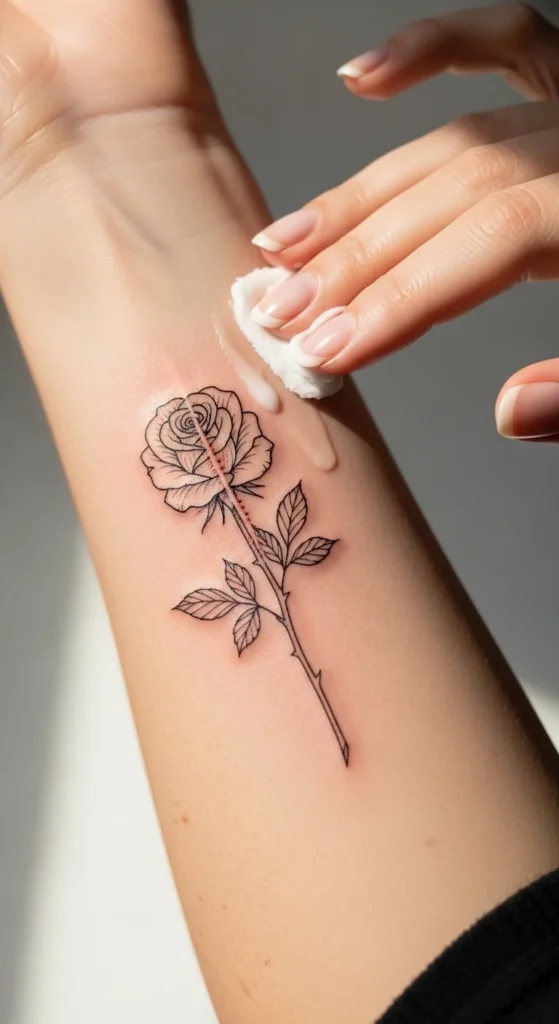
- Keep the tattoo clean and lightly moisturized
- Avoid tight clothing rubbing the area
- No picking during peeling phase
- Avoid heavy sweating early on
- Use sunscreen after healing (huge for fine line work)
Long-term maintenance
- Expect possible touch-ups in 2–5 years
- Keep skin hydrated
- Protect from sun exposure
Fine line tattoos don’t usually “blow out” if done well — they just soften gracefully over time.
Final Takeaway
A delicate fine line rose tattoo is one of the most timeless choices you can make — but the magic is in the details.
Remember the golden checklist:
- ✔️ Choose meaning first
- ✔️ Pick a style that fits your vibe
- ✔️ Follow the body’s natural flow
- ✔️ Don’t go too tiny
- ✔️ Always check healed artist work
- ✔️ Protect it like jewelry
Do that, and your rose won’t just look beautiful on day one — it’ll stay elegant for years.
🌹 Save this guide for later and bring your favorite rose ideas to your tattoo consultation!