That tattoo once felt like a great idea — until it didn’t. Maybe it no longer fits your life, your style has changed, or the ink just didn’t age the way you hoped. Whatever the reason, you’re not alone. Tattoo removal is more common than ever, and when done correctly, it can be safe, effective, and confidence-restoring.

Before jumping into decisions, let’s walk through how to remove a tattoo safely, what actually works, and what you should avoid.
First Things First: Can All Tattoos Be Removed?
Most tattoos can be faded significantly or removed, but results vary.
Factors that affect removal include:
- Ink color and depth
- Tattoo size and age
- Skin tone and sensitivity
- Placement on the body
- Overall skin health
Some tattoos disappear almost completely, while others fade enough to be barely noticeable.
The Safest Option: Professional Laser Tattoo Removal
Laser removal is considered the gold standard for safe tattoo removal.
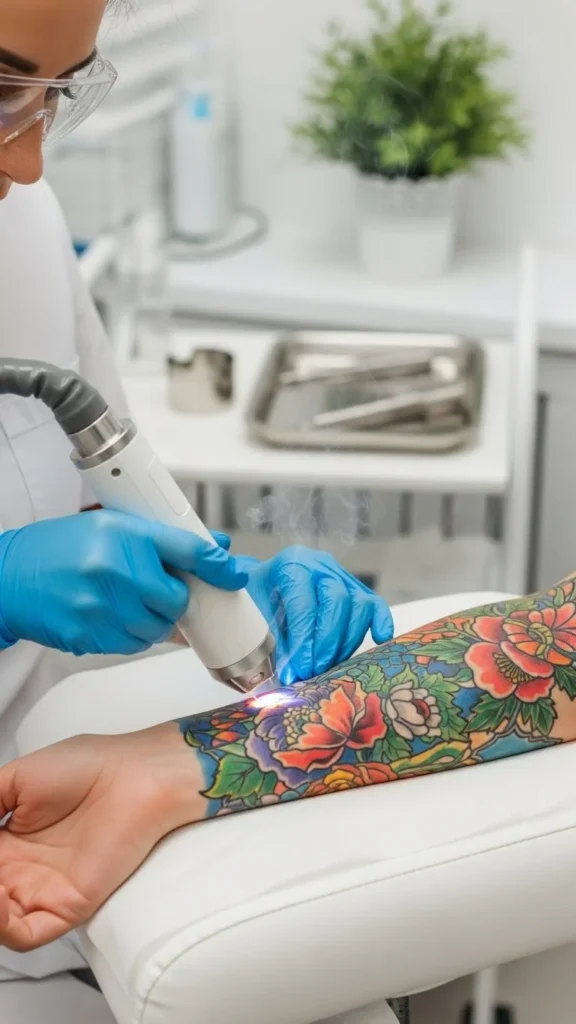
How laser removal works:
- Laser pulses break ink into tiny particles
- Your body’s immune system clears the ink over time
- Multiple sessions are required (usually 6–12)
Why it’s safe:
- Non-invasive
- Targets ink without damaging surrounding skin
- Performed by trained professionals
💡 Tip: Choose a certified clinic with experience in tattoo removal, not just cosmetic treatments.
What Laser Tattoo Removal Feels Like
People often ask if it hurts.
Most describe the feeling as:
- A quick snapping sensation
- Mild to moderate discomfort
- Short sessions (often minutes)
Numbing creams or cooling devices are commonly used to improve comfort.
Ink Colors: What Fades Fast vs. Slow
Not all colors behave the same.
Easier to remove:
- Black
- Dark blue
- Dark green
More stubborn:
- Yellow
- Light blue
- Pastel shades
This doesn’t mean removal isn’t possible — just that patience matters.
Alternative Professional Options (Limited Use)
Some non-laser methods exist, but they’re not for everyone.

These include:
- Chemical removal treatments
- Dermabrasion (controlled skin resurfacing)
⚠️ These options carry higher risks of scarring and pigmentation issues. Always consult a specialist before considering them.
Why DIY Tattoo Removal Is Dangerous
This is where many people go wrong.
Avoid at all costs:
- Acid-based creams
- Scrubbing with abrasive tools
- Home chemical peels
- Internet “miracle” solutions
These methods can cause:
- Permanent scarring
- Infections
- Uneven skin tone
- Long-term damage
If it sounds too easy, it’s probably unsafe.
How to Prepare for Tattoo Removal
Preparation makes a big difference.
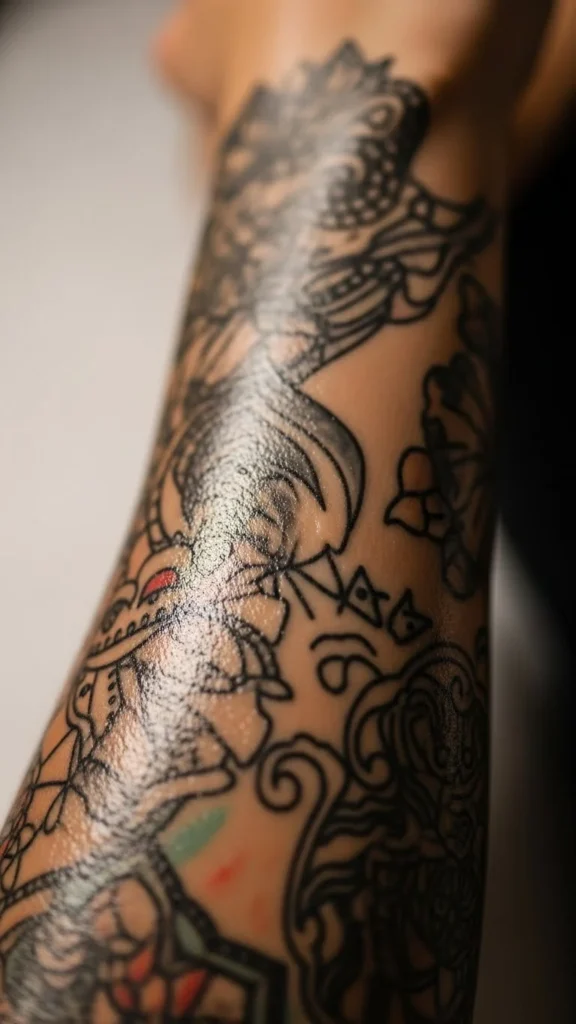
Before your appointment:
- Avoid sun exposure for at least 2 weeks
- Keep skin moisturized
- Do not exfoliate aggressively
- Stay hydrated
Healthy skin responds better and heals faster.
Aftercare: The Key to Safe Healing
Aftercare is just as important as the removal itself.
After each session:
- Keep the area clean and dry
- Use soothing, fragrance-free moisturizers
- Avoid sun exposure until healed
- Do not pick or scratch the area
Mild redness, swelling, or scabbing is normal and temporary.
How Long Does Safe Tattoo Removal Take?
Tattoo removal is a process, not a one-time fix.
Typical timeline:
- Sessions spaced 6–8 weeks apart
- Full removal may take months to over a year
- Fading improves gradually between sessions
Your body does most of the work — time and consistency matter.
Will Tattoo Removal Leave a Scar?
When done properly by professionals, scarring is rare.
Higher risk of scarring comes from:
- DIY methods
- Poor aftercare
- Over-treating too frequently
- Unqualified providers
Choosing the right clinic protects your skin long-term.
When Tattoo Removal Is the Right Choice
Tattoo removal may be right for you if:
- The tattoo no longer represents you
- It affects confidence or career
- You want clean skin again
- You plan to replace it with new artwork
There’s no shame in changing your mind.
Final Takeaway: Safety Over Speed
The safest tattoo removal is slow, professional, and patient.
✔ Choose trained professionals
✔ Avoid risky shortcuts
✔ Care for your skin before and after
✔ Set realistic expectations
✨ Save this guide for later and take the first step toward clear, healthy skin — safely.