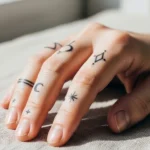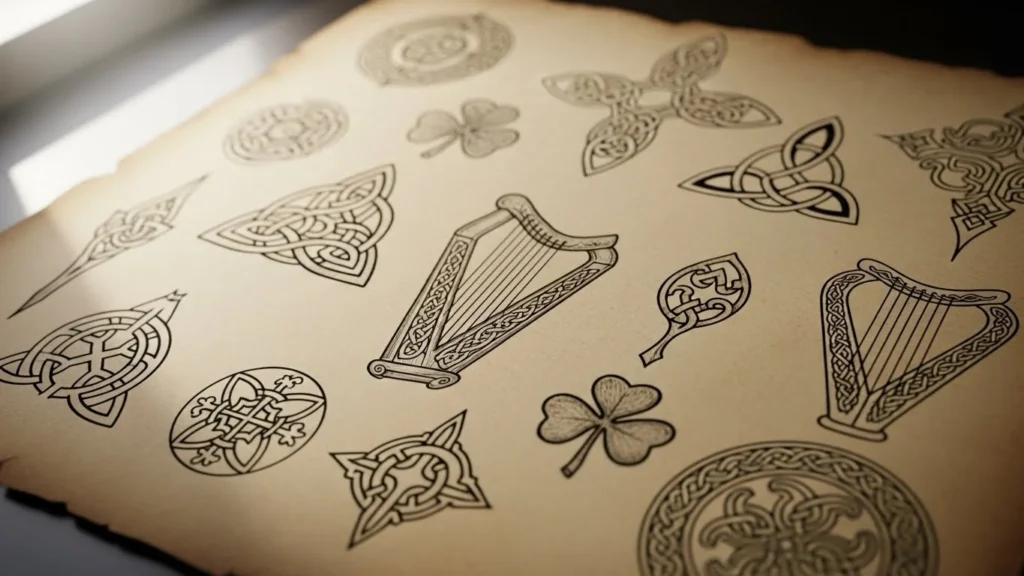
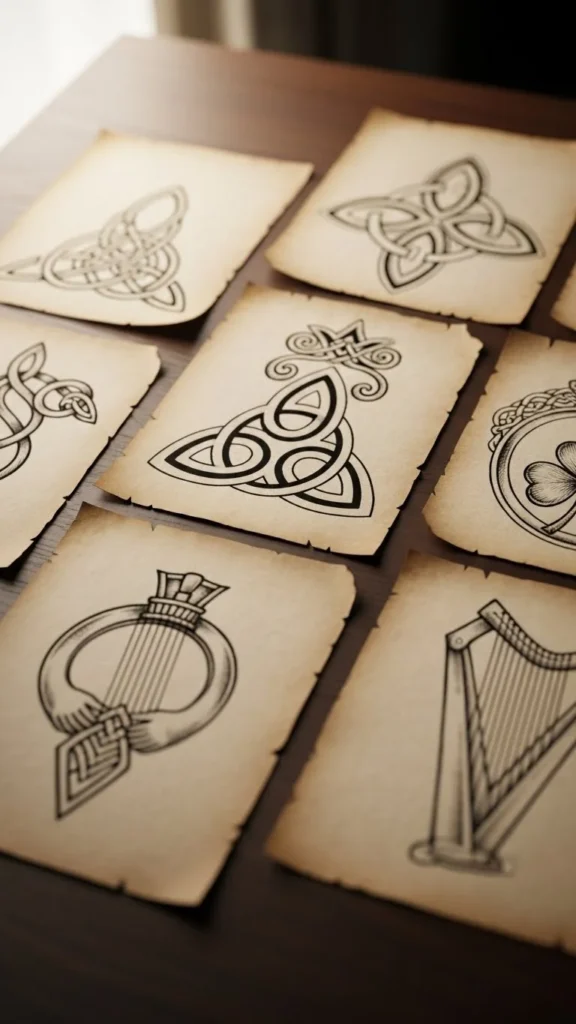
Irish heritage symbol tattoos attract people who want designs rooted in history rather than trends. Many search for symbols that carry stories passed down through generations, while still fitting modern tattoo styles. This guide explores Irish heritage symbols with historical meaning, explained in a clear and practical way. Each idea includes historical context, placement guidance, and cost-aware tips so you can plan a tattoo that feels respectful, personal, and wearable for everyday life.
1. The Shamrock
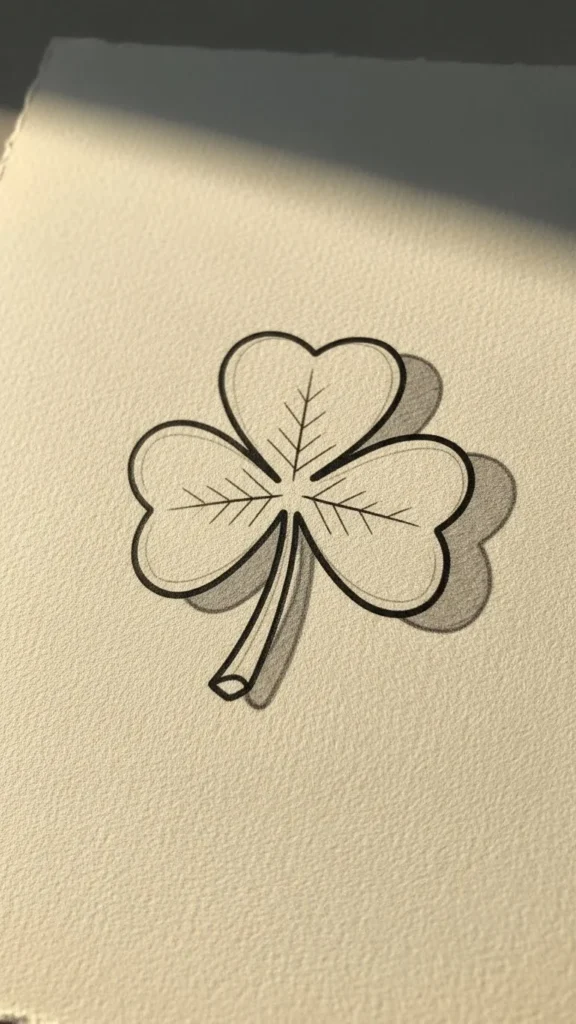
The shamrock is one of the oldest Irish symbols. It is linked to early Irish identity and later became associated with teaching and unity. Historically, the three leaves were used to explain interconnected ideas.
As a tattoo, the shamrock works well in line form. Simple outlines reflect its early symbolic use. Avoid heavy shading to keep it readable over time.
Budget-friendly planning starts with size. Small shamrocks cost less and fit many placements. Try sketching three rounded leaves on paper, then redraw with thinner lines.
Testing placement on the wrist or ankle using a washable pen helps confirm scale. Keeping space between leaves allows the symbol to age cleanly and stay recognizable.
2. The Celtic Cross
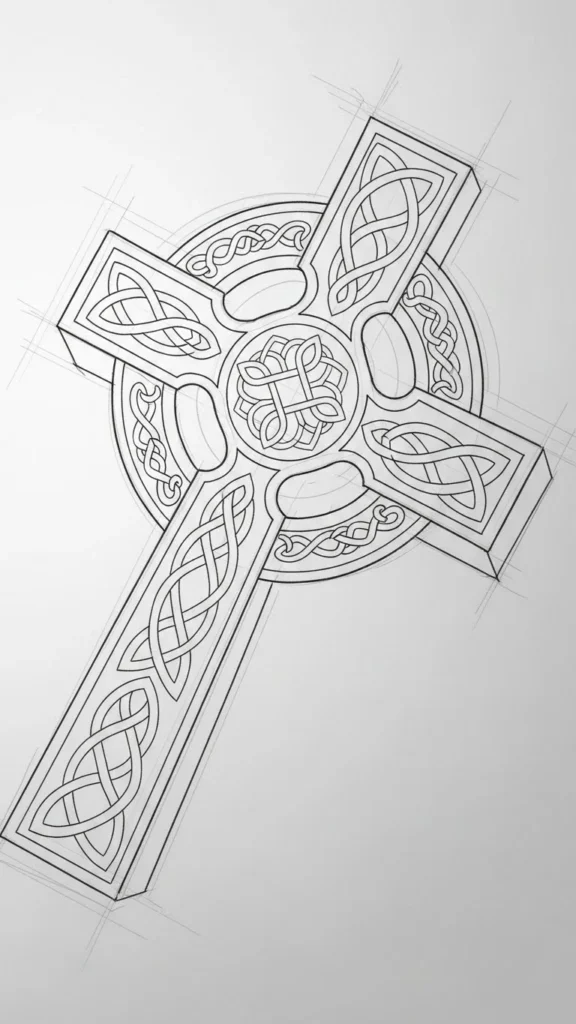
The Celtic cross predates written Irish history. It combines spiritual belief with earlier sun symbolism. Stone crosses still stand across Ireland today.
For tattoos, simpler versions reflect the original stone carvings. Thin lines and light knot accents keep the symbol grounded.
Avoid dense fills to reduce session time. Sketch the cross using straight guidelines before adding curves. This keeps proportions balanced.
Upper arm and shoulder placements work well due to flat skin. Clean structure helps the symbol remain clear for years.
3. The Triskelion
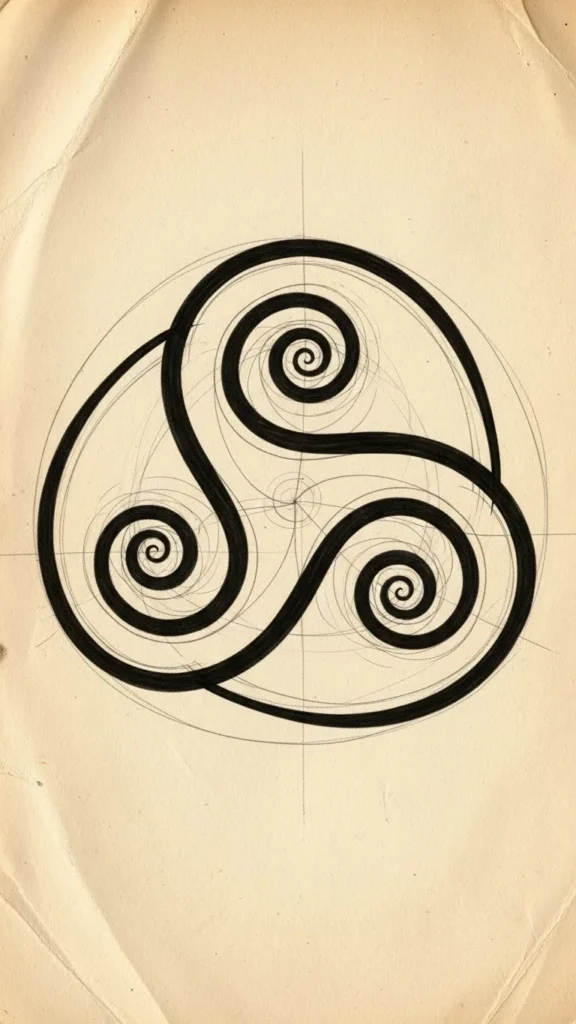
The triskelion dates back to prehistoric Ireland. It represents movement and continuity.
As a tattoo, symmetry matters. Keep each spiral evenly spaced. Open spirals reduce ink load and cost.
DIY practice involves drawing one spiral repeatedly before combining three. This builds muscle memory.
Ankles and forearms suit this ancient design well.
4. The Claddagh
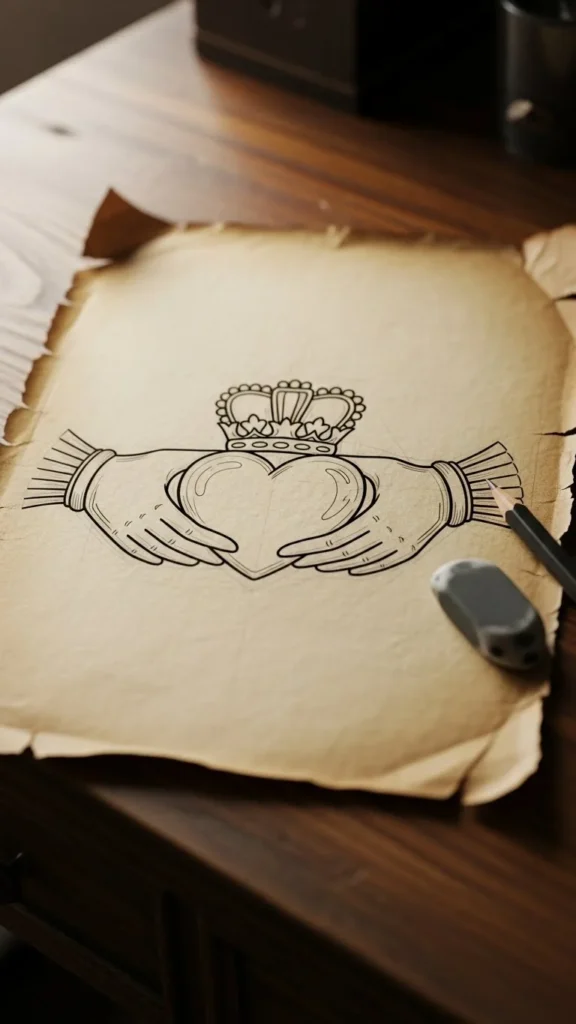
The Claddagh symbol originated in Galway. It represents connection, loyalty, and care.
Outline-only versions feel closer to early metalwork designs. Avoid heavy detail in the hands to keep clarity.
Test scale carefully. Smaller versions read better on wrists or upper chest.
5. The Irish Harp
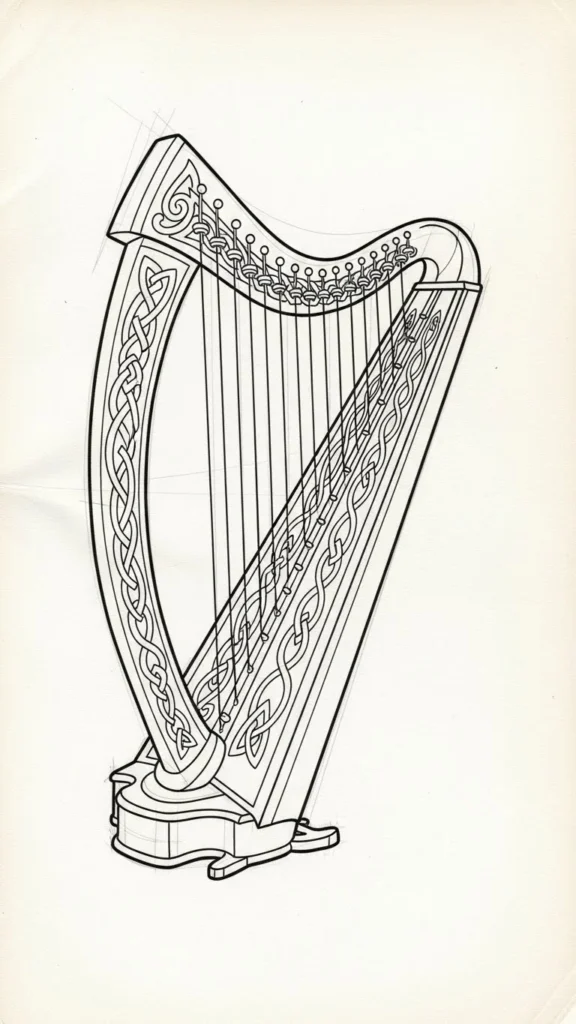
The harp has been associated with Ireland for centuries. It appears on historical seals and coins.
Outline harps suit tattooing best. Focus on smooth curves and even string spacing.
Simple designs keep sessions short and affordable. Practice drawing the harp frame before adding strings.
6. The Celtic Knot
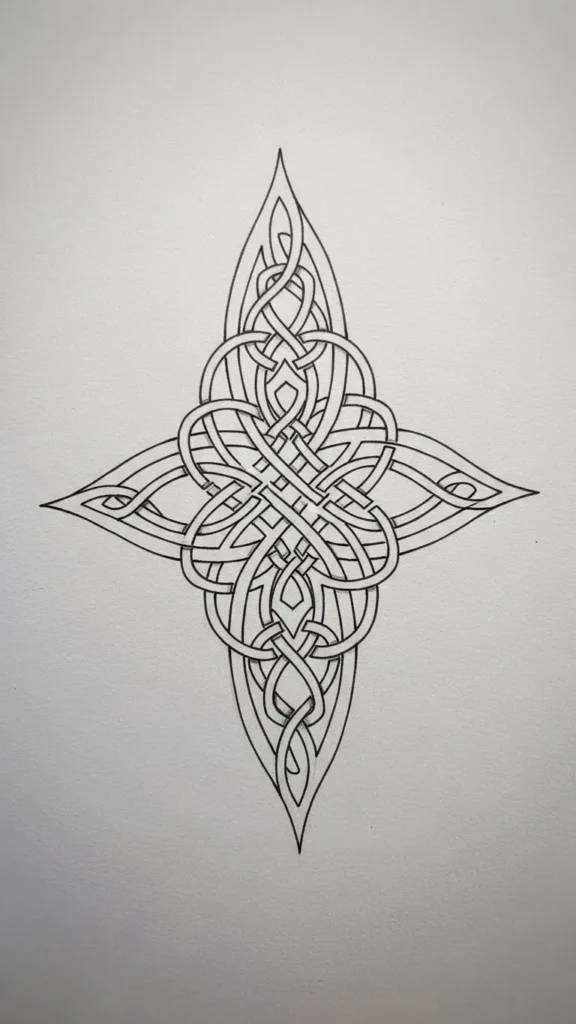
Celtic knots symbolize continuity. Their origins trace back to early manuscripts.
Choose one continuous line design. Avoid complex overlaps.
Tracing knot paths helps avoid confusion during tattooing.
7. The Tree of Life
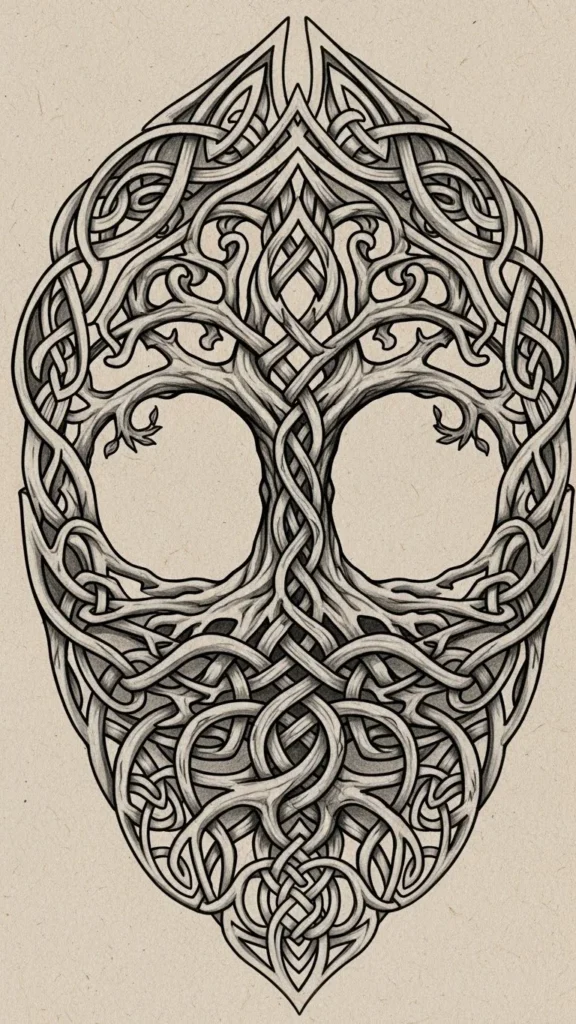
This symbol reflects balance between earth and sky in early Irish belief.
Line-only trees feel closer to early carvings. Keep branches open.
Testing symmetry on paper helps planning.
8. The Ogham Script
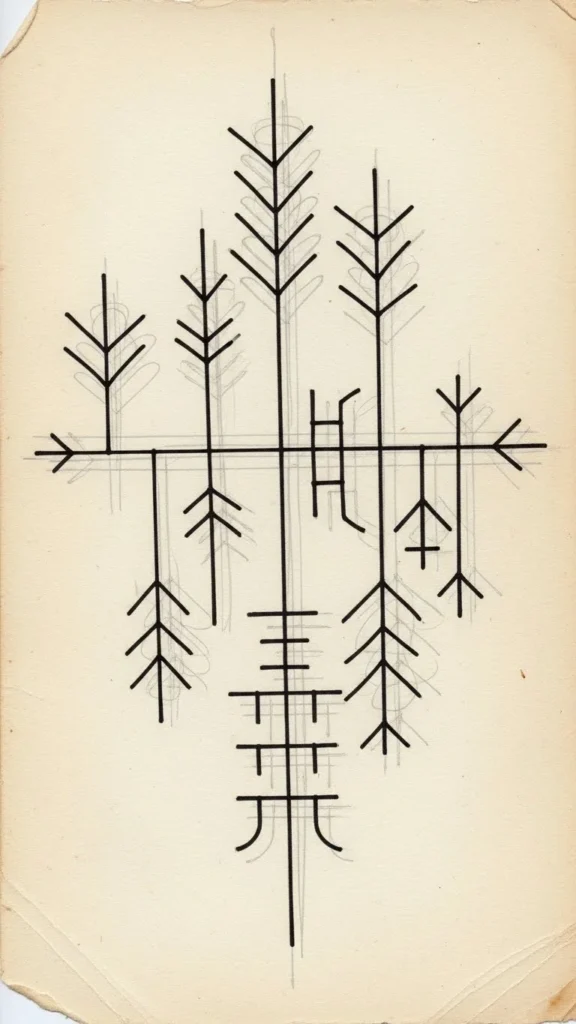
Ogham is one of the earliest written Irish scripts.
As tattoos, simple vertical lines work best. Avoid long phrases.
Short markings reduce cost and complexity.
9. The Irish Wolfhound
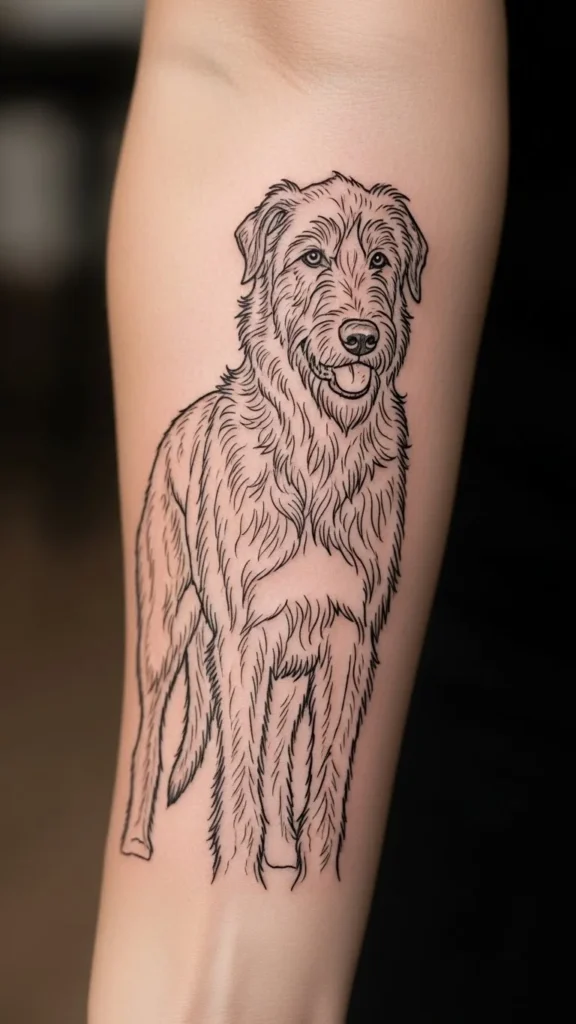
The wolfhound symbolizes guardianship and heritage.
Outline-only profiles keep the design respectful and clear.
Practice drawing long curves for accuracy.
10. The Sun Wheel
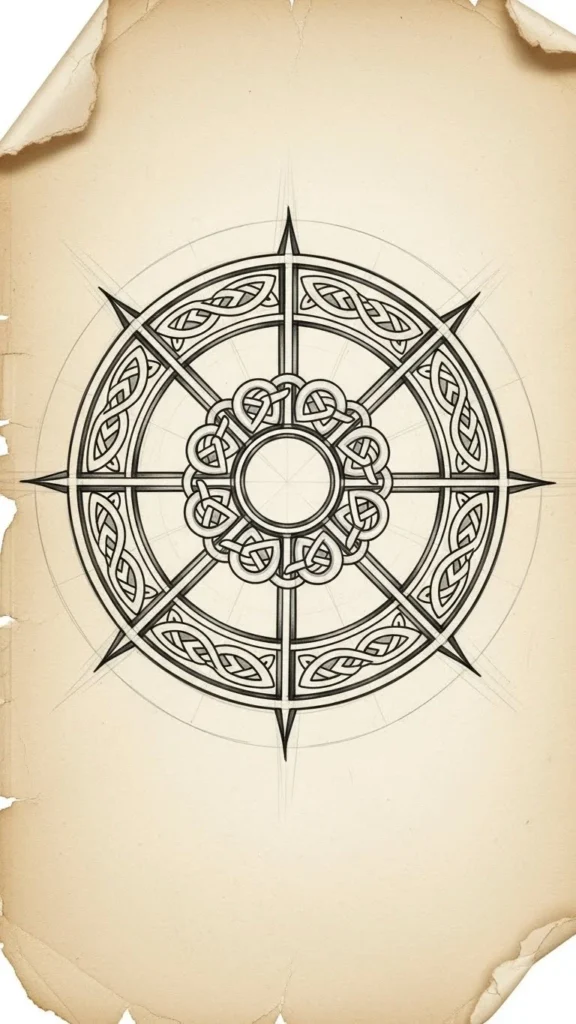
The sun wheel predates Christian Ireland and reflects seasonal cycles.
Even spacing matters. Use light guidelines when sketching.
Round placements like shoulders suit this symbol.
11. The Boar
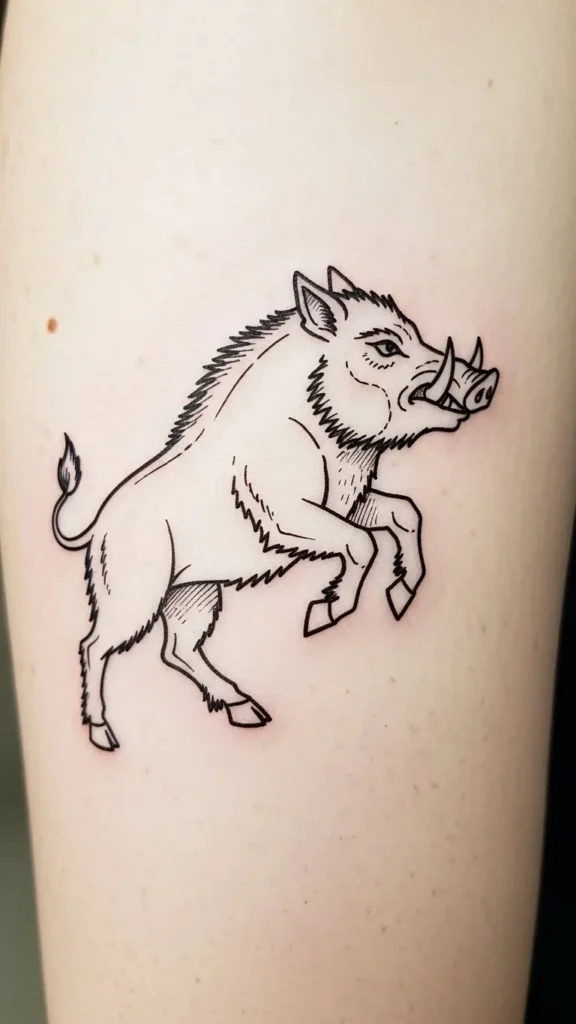
The boar symbolized bravery in early Irish art.
Outline-only designs keep it grounded.
Avoid heavy detail to reduce ink density.
12. The Raven
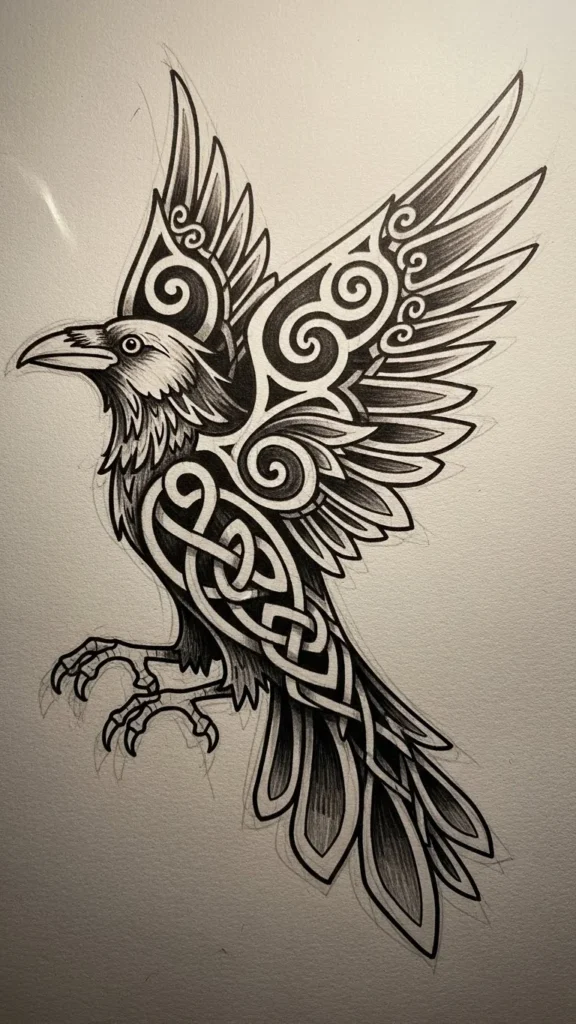
Ravens appear in Irish myth as watchers.
Profile outlines work best for tattoos.
Practice wing curves before finalizing.
13. The Spiral Stone Motif
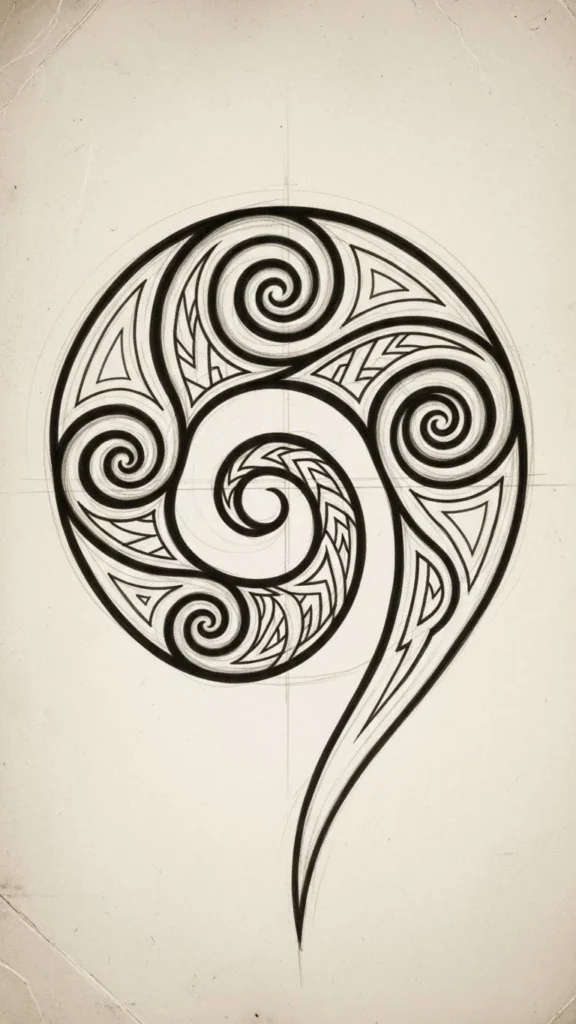
Spiral stones date back thousands of years.
Single spirals keep tattoos affordable.
Small placements suit this symbol.
14. The Shield
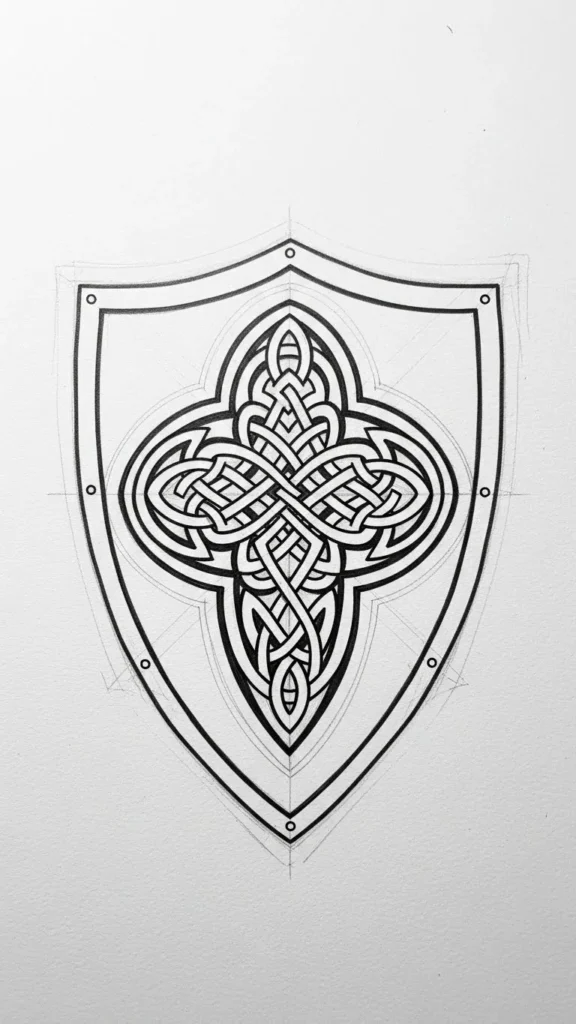
Shields symbolized protection in Irish clans.
Keep borders clean and light.
Flat placements help clarity.
15. The Irish Crown
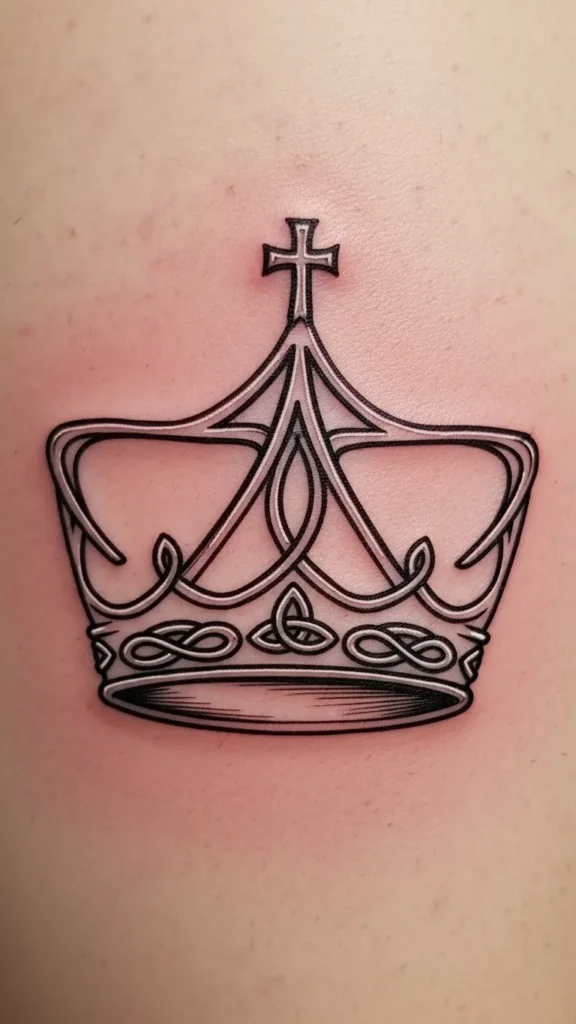
Crowns appear in Irish heraldry.
Minimal designs avoid over-detail.
Practice symmetry carefully.
16. The Salmon
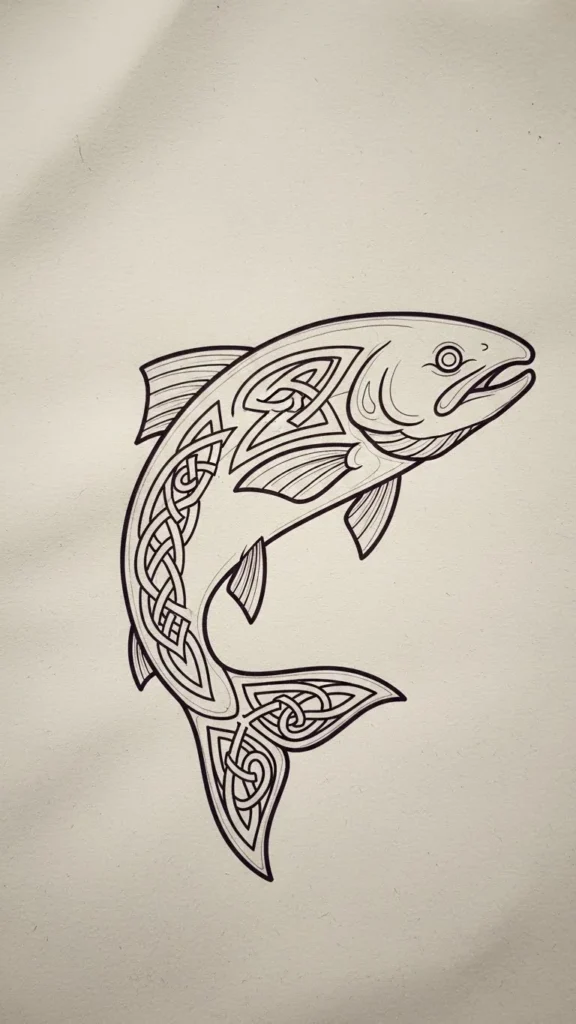
The salmon symbolizes wisdom in Irish legend.
Flowing outlines suit forearms.
Avoid shading to keep cost lower.
17. The Brigid’s Cross
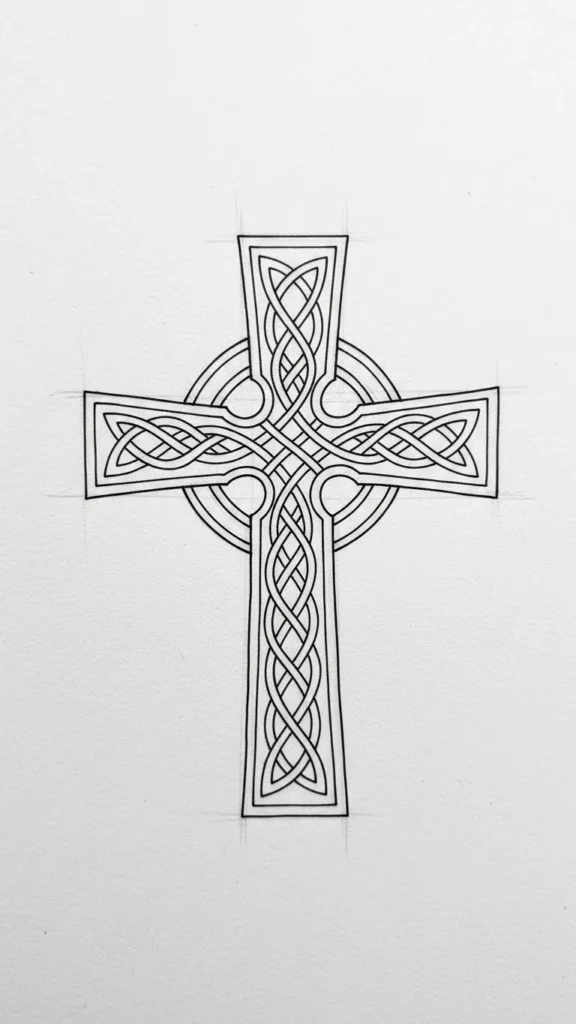
This symbol predates Christianity and reflects protection.
Straight line designs heal well.
Testing angles helps placement.
18. The Torc
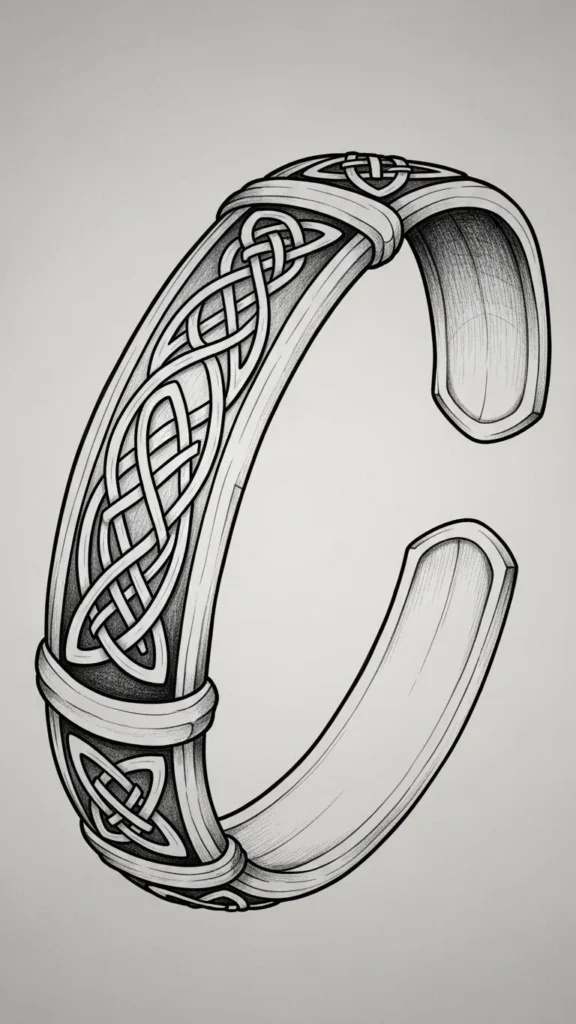
The torc was worn by Irish nobility.
Simple curved designs suit neck or arm placements.
Keep line weight even.
19. The Celtic Horse
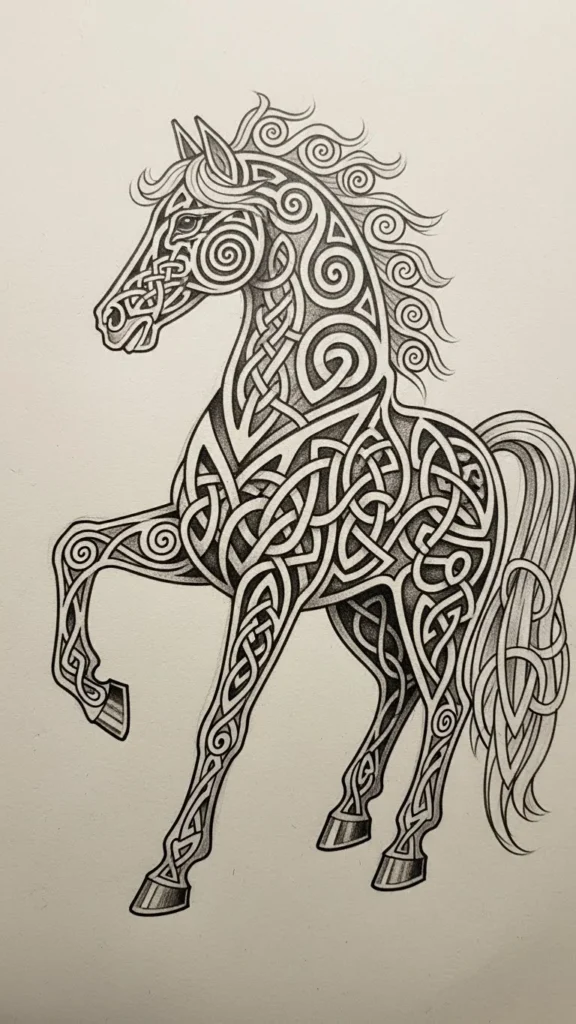
Horses symbolized movement and power.
Outline sketches keep costs manageable.
Practice proportions carefully.
20. The Spiral Triangle
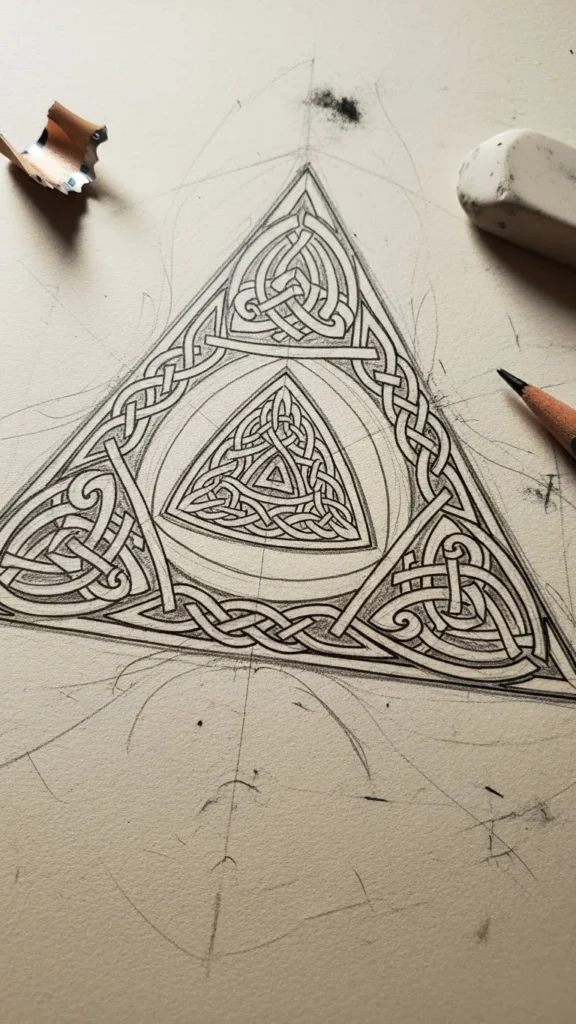
Triangles appear in early stone carvings.
Keep angles soft for aging.
Small sizes work well.
21. The Oak Leaf
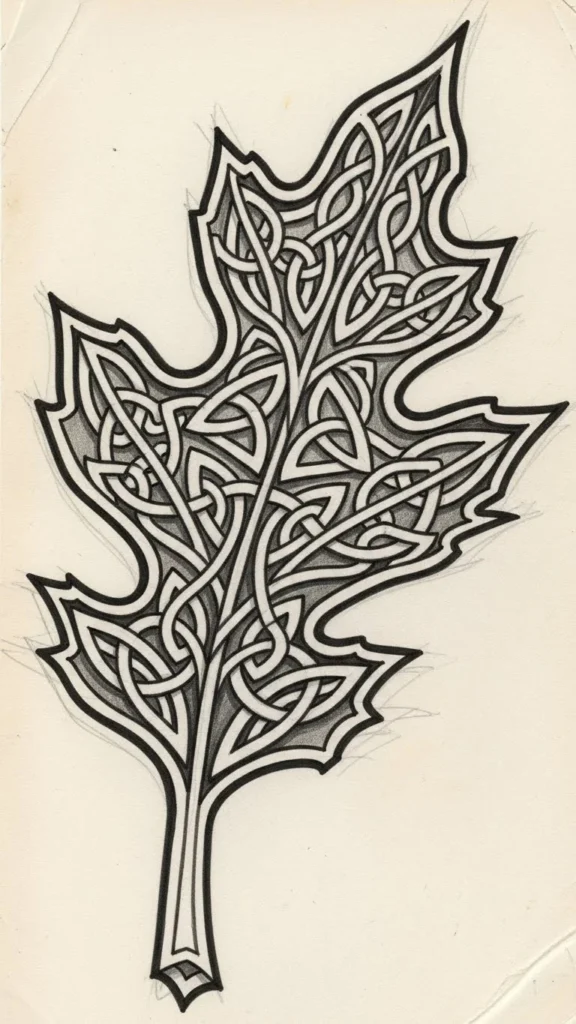
Oak trees held sacred status in Ireland.
Line-only leaves reflect early symbolism.
Avoid dense veins.
22. The Celtic Arrow
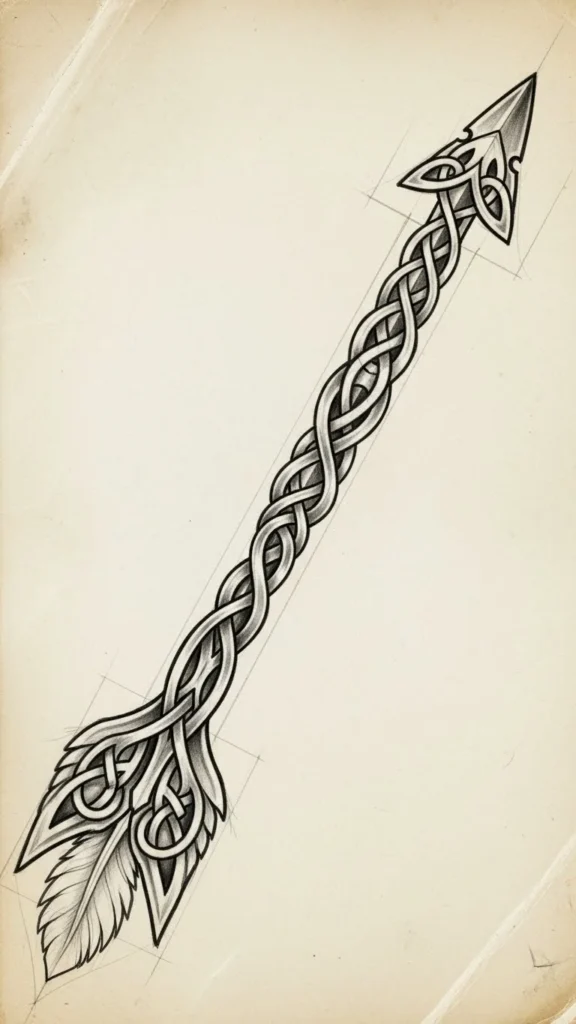
Arrows symbolized direction.
Straight lines heal cleanly.
Test alignment with movement.
23. The Standing Stone
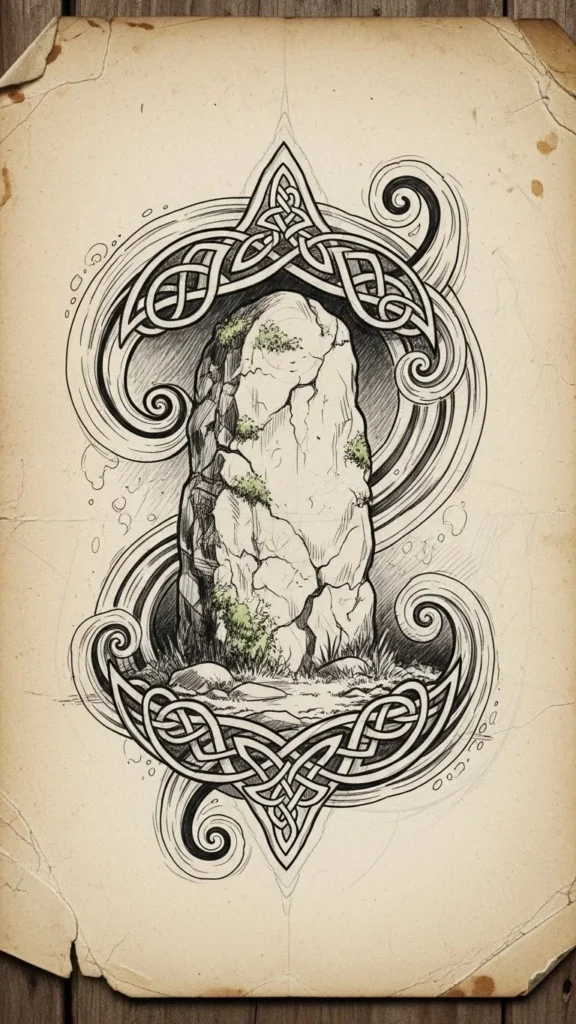
Standing stones marked sacred places.
Simple shapes keep meaning intact.
Vertical placements suit this design.
24. The Knot Circle
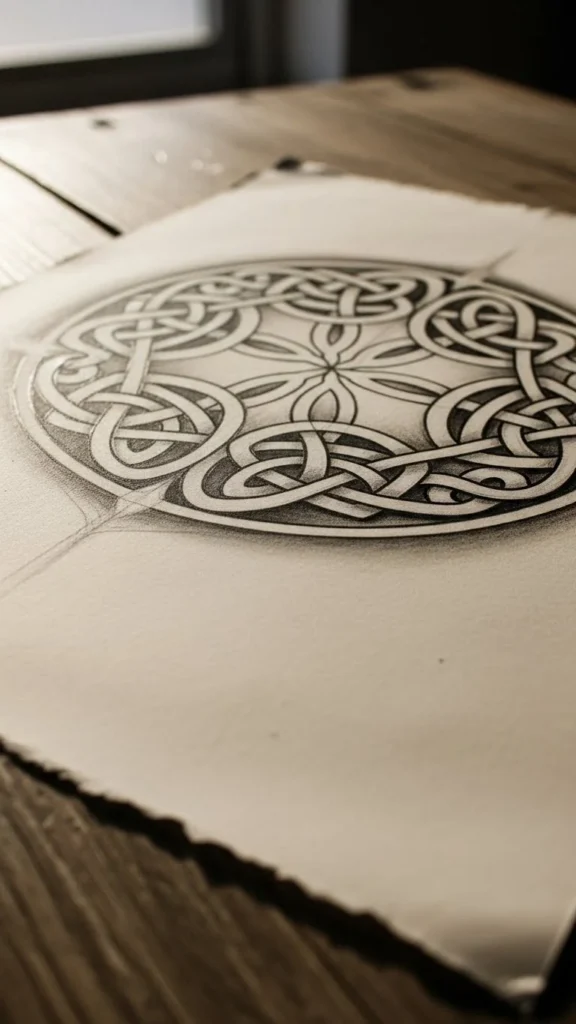
Circles represented continuity.
Even spacing keeps clarity.
Medium sizes stay readable.
25. The Celtic Compass
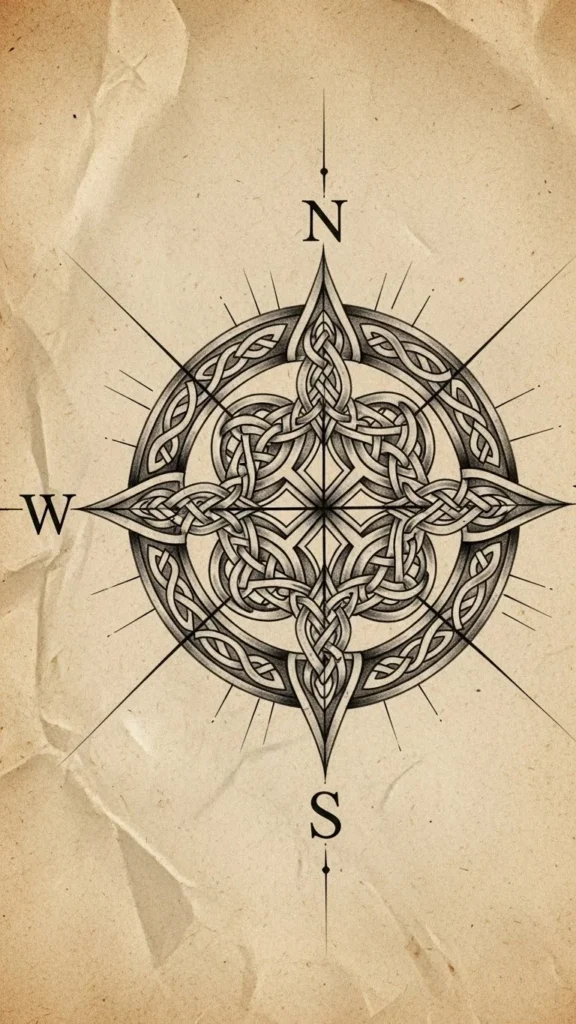
Compass symbols connect heritage with guidance.
Limit knot density to reduce clutter.
Test orientation before tattooing.
Conclusion
Irish heritage symbol tattoos carry meaning when chosen with care and historical awareness. Simple linework, thoughtful placement, and clear planning help these symbols remain respectful and readable over time. Sketch your chosen design, test size and placement at home, and bring clear references to your artist. Careful preparation leads to tattoos that honor Irish history while fitting modern life.