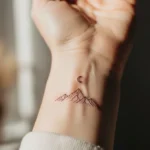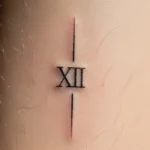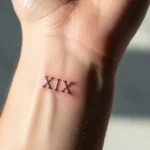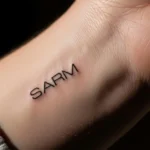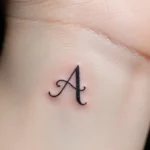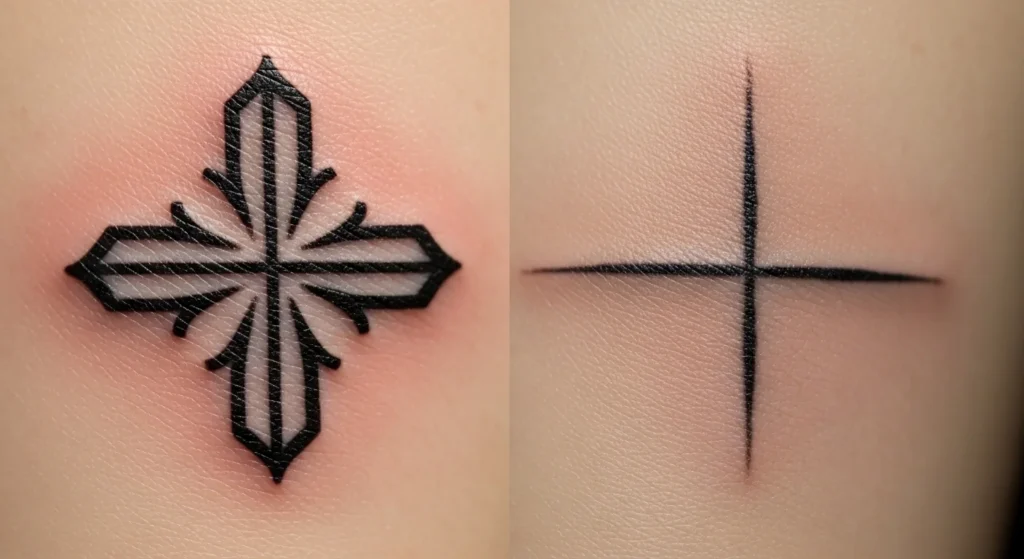
Tiny tattoos can look insanely crisp on day one—but the real test is how they look a year (or five) later. The secret most people overlook? Line thickness. Get it wrong, and your design blurs. Get it right, and it stays sharp, readable, and bold for years.
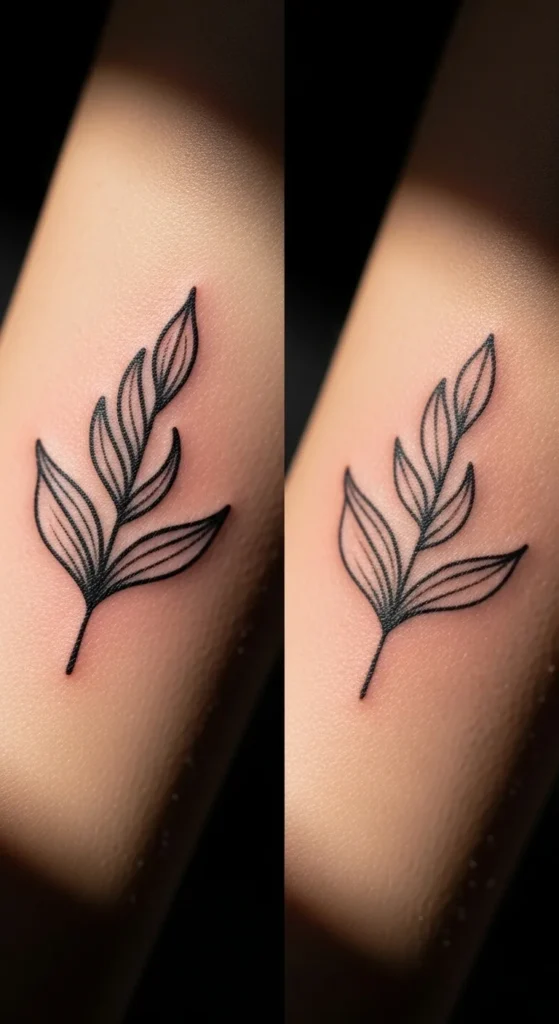
Let’s break down exactly how to choose the perfect line thickness—without ruining the minimalist vibe.
Why Line Thickness Matters More Than Design
You might think the design is everything—but in small tattoos, line weight is what determines longevity.
Here’s why:
- Ink naturally spreads slightly under the skin over time
- Thin lines expand and blur faster
- Thick lines hold their shape and stay visible
👉 Translation: That ultra-fine tattoo you love on Pinterest? It may not age the way you expect.
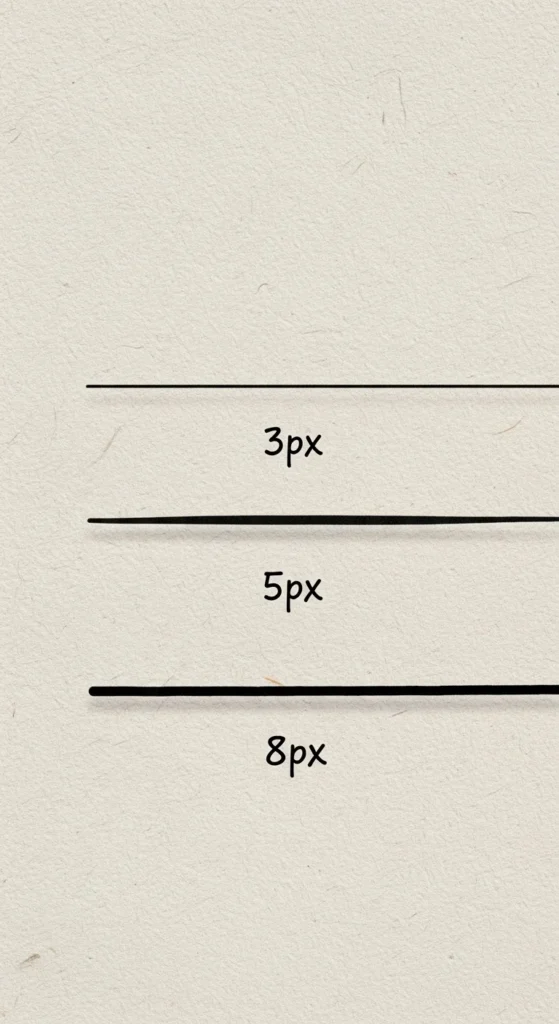
The Sweet Spot: 4–8px Rule for Small Tattoos
If you’re working with a tiny design, there’s a “safe zone” for line thickness.
- 4px minimum → anything thinner risks blurring
- 6–8px ideal → best balance of detail + durability
- 8px+ → bold, long-lasting, slightly heavier look
Think of it like this:
The smaller the tattoo, the thicker the lines should be (within reason).
Use Thick Outlines + Thin Details (The Pro Trick)
Want your tattoo to look detailed and age well? Use line hierarchy.
- Bold outer lines (8px+)
- Finer inner details (4–6px)
This creates:
- Depth and contrast
- Better readability over time
- A design that “pops” even as it ages
👉 This is how professional tattoos stay sharp without looking bulky.
Match Line Thickness to Tattoo Size
Line weight should scale with size—not fight it.
Quick guideline:
- Under 1 inch: Stick to bold, simple lines
- 1–2 inches: Medium thickness (ideal range)
- Over 2 inches: More flexibility for detail
🚫 Avoid cramming thin lines into tiny spaces—they’ll merge together as ink spreads.
Don’t Forget Spacing (It’s Half the Equation)
Even perfect line thickness can fail if spacing is too tight.
Golden rule:
👉 Space between lines should be at least equal to the line thickness.
Example:
- 2mm thick line → at least 2mm space
This prevents:
- Ink merging
- Loss of detail
- “Blob effect” over time
Placement Changes Everything
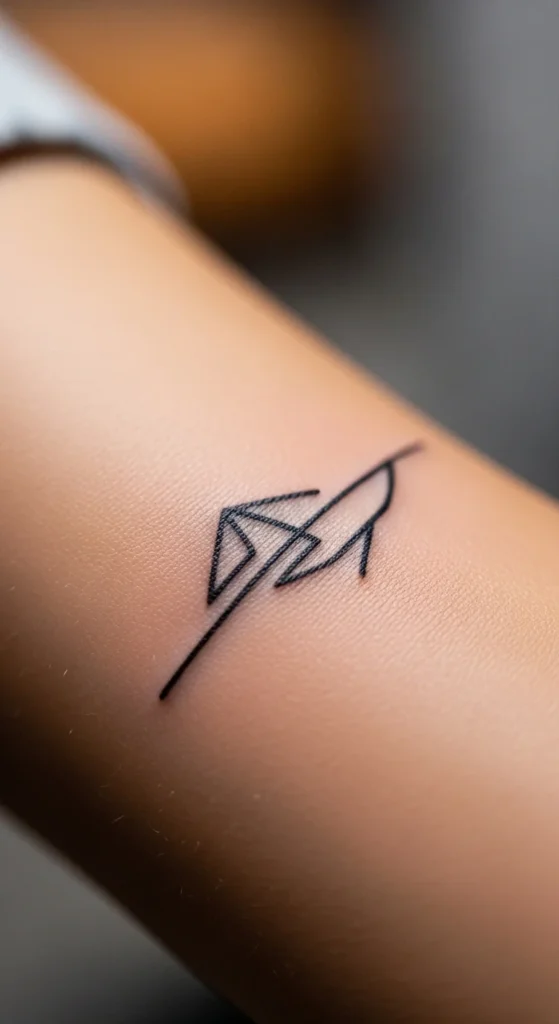
Where you put your tattoo affects how thick your lines should be.
High-movement areas (go thicker):
- Wrists
- Fingers
- Ankles
Stable areas (more flexibility):
- Forearms
- Upper arms
- Back
Why? Movement and friction cause faster ink spread—so thicker lines compensate for that.
Needle Types (What Your Artist Is Actually Using)
You don’t need to be an expert—but knowing the basics helps you communicate better.
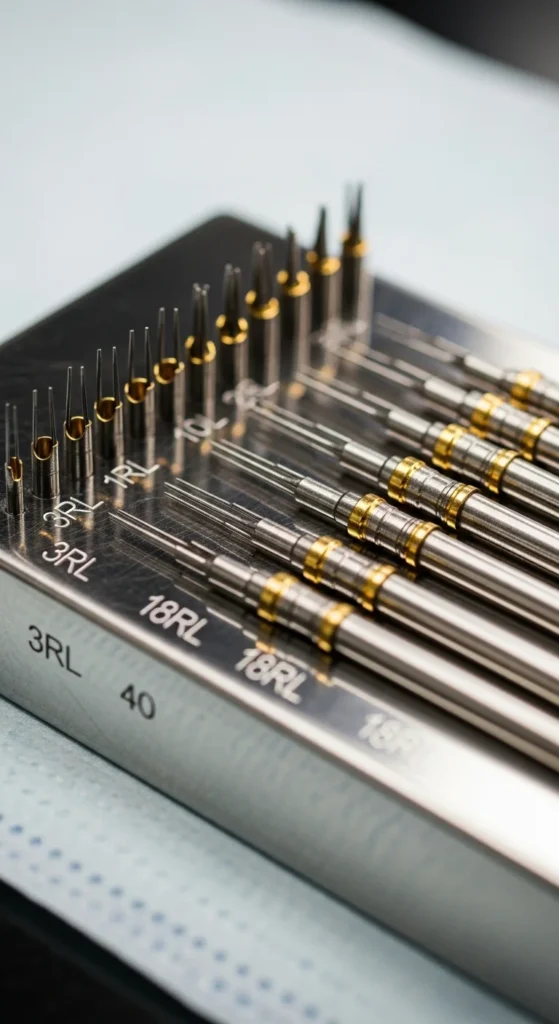
Common liner needles:
- 3RL: Fine lines (riskier for longevity)
- 7RL–9RL: Medium-bold (best for small tattoos)
- 14RL: Very bold, highly durable
👉 For most small tattoos, 7RL–9RL is the sweet spot.
Skin Type Affects Line Thickness Too
Your skin isn’t just a canvas—it changes how ink behaves.
- Oily skin: Lines may spread more → go slightly thicker
- Dry skin: Holds detail better
- Loose/stretchy skin: Needs bolder lines for stability
👉 A good artist will adjust line weight based on your skin—not just the design.
Test Before You Commit (Seriously!)
One of the easiest ways to avoid regret:
- Print your tattoo design at actual size
- Look at it from arm’s length
- Slightly blur your eyes (or zoom out on your phone)
If details disappear or blend together…
👉 your lines are too thin.
Common Mistakes That Lead to Blurry Tattoos
Avoid these at all costs:
- Choosing ultra-fine lines for tiny designs
- Ignoring spacing between elements
- Following trends over longevity
- Picking inexperienced artists
- Going too small for detailed ideas
Reality check: Minimalist doesn’t mean microscopic.
The Perfect Formula for Sharp Small Tattoos
If you want a tattoo that actually lasts, follow this simple formula:
- ✔ Use 4–8px line thickness
- ✔ Go slightly thicker for smaller designs
- ✔ Combine bold outlines + finer details
- ✔ Keep spacing equal to line width
- ✔ Adjust for placement and skin type
Final Thoughts: Thin Isn’t Always Better
The biggest myth in small tattoos? That thinner automatically means better.
In reality:
- Slightly thicker lines = cleaner aging
- Balanced spacing = long-term clarity
- Smart design = zero regret
A great small tattoo isn’t just about how it looks today—it’s about how it holds up over time.