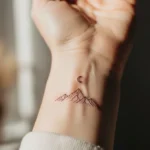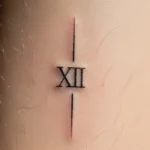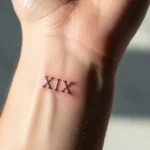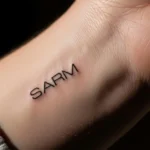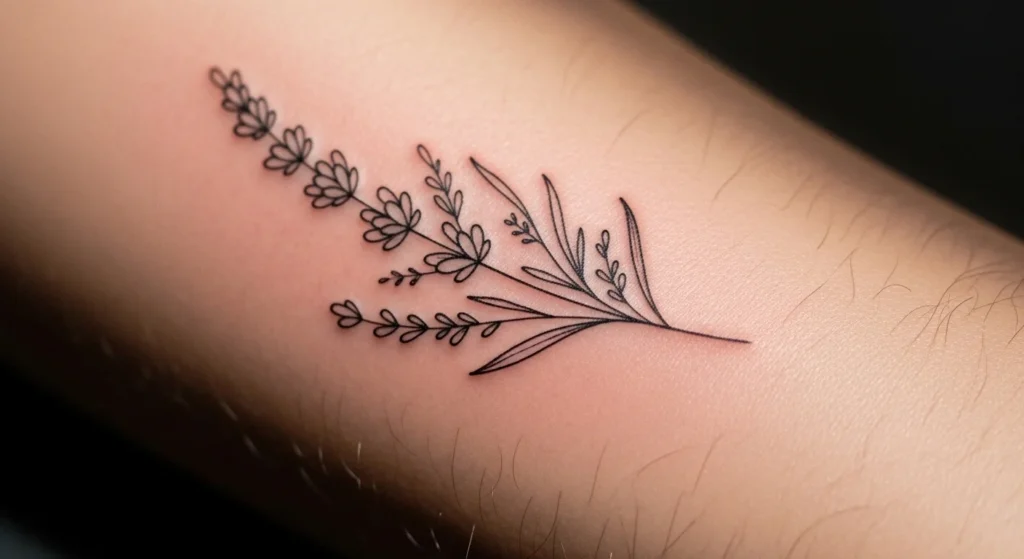
Fine-line tattoos are the definition of “less is more”—delicate, subtle, and effortlessly aesthetic. But here’s the truth most people don’t talk about: fine-line tattoos are also the easiest to mess up.
One wrong artist, one overly tiny design, or poor aftercare—and those clean lines can blur fast. The good news? If you know what to look for, you can get a fine-line tattoo that heals beautifully and stays crisp.
Let’s walk through exactly how to do it right.
Start with the Right Artist (This Is Everything)
Fine-line tattoos are not beginner-friendly work—they require precision, control, and experience.
When choosing an artist, look for:
- Healed tattoo photos (not just fresh ink)
- Consistent, clean lines (no wobbling or patchiness)
- Experience specifically in fine-line or single-needle work
🚩 Red flags:
- Lines that look shaky or uneven
- Overly trendy designs with no healed results
- Super cheap pricing (precision takes time)
👉 A skilled artist prevents blowouts (when ink spreads under the skin) and ensures your tattoo heals sharp.
Keep the Design Simple (Seriously)
The biggest mistake with fine-line tattoos? Trying to do too much in too little space.
Designs that heal best:
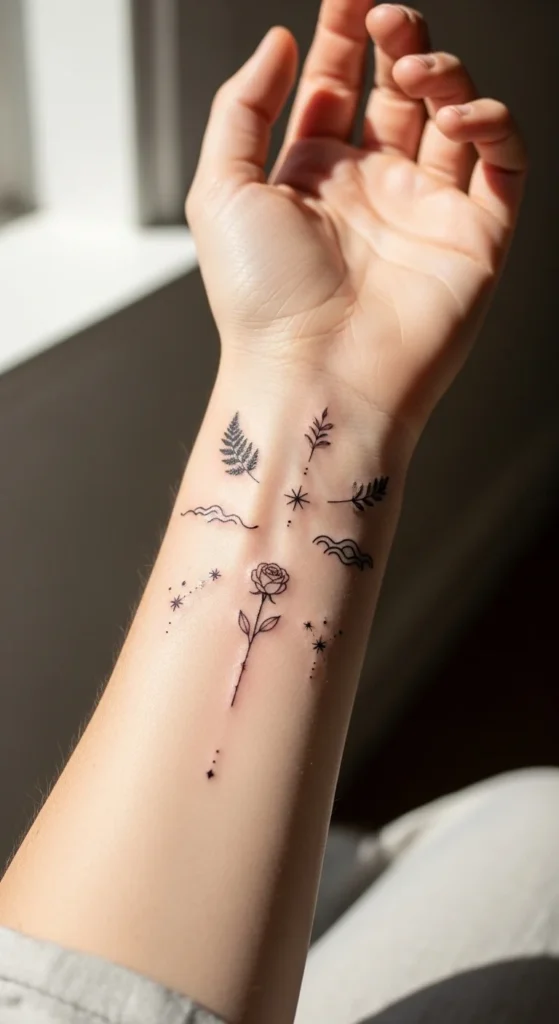
- Minimal symbols (hearts, stars, moons)
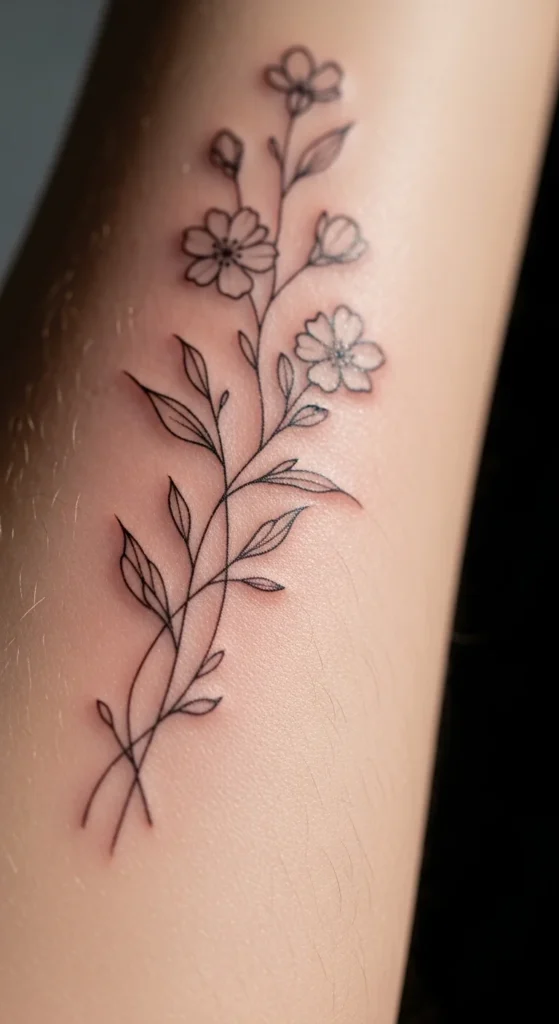
- Simple florals or leaves
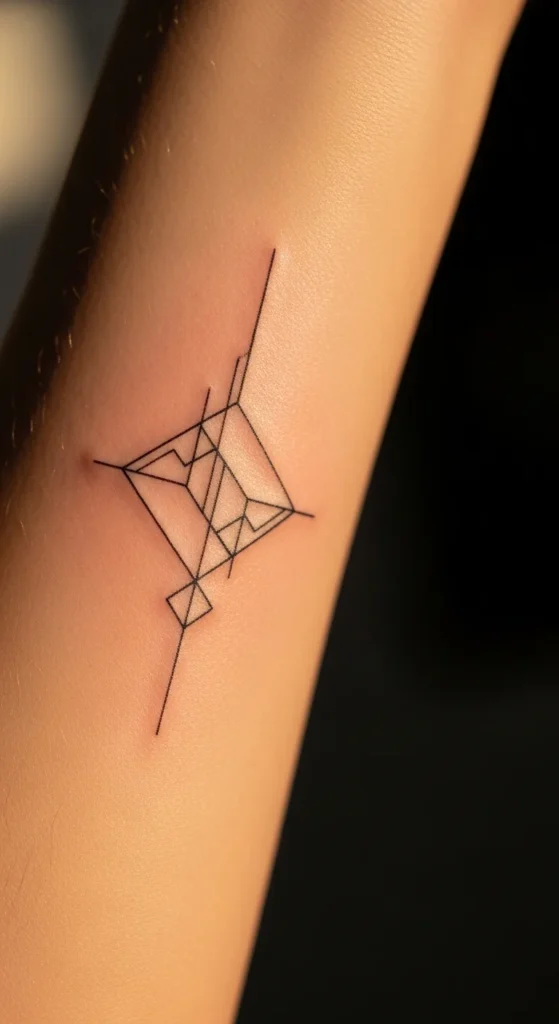
- Clean geometric shapes
- Tiny animals with minimal detail
Designs to rethink:
- Intricate scripts
- Micro-realism portraits
- Overly detailed patterns
Why it matters: Fine lines expand slightly during healing—simple designs stay readable.

Choose the Right Size (Tiny ≠ Better)
Yes, it’s called “fine-line”—but that doesn’t mean microscopic.
- Minimum size: 3–4 cm (about 1.2–1.5 inches)
- Give lines room to exist separately
- Avoid squeezing detail into tiny spaces
👉 If a design looks crowded on paper, it will blur on skin.
Placement Can Make or Break It
Fine-line tattoos need low-friction, low-movement areas to stay crisp.
Best placements:
- Forearm
- Wrist (outer area)
- Ankle
- Upper arm
Avoid:
- Fingers
- Hands
- Neck
- Inner lip
Why? Constant movement and friction break down delicate lines faster.
Understand the Technique (Light Touch Matters)
Fine-line tattoos are typically done with:
- Single needle or bugpin needles
- Very light hand pressure
- Shallow ink placement
This creates that delicate look—but also means:
- Less trauma to skin
- Faster initial healing
- Higher risk if done incorrectly
👉 A steady, controlled technique is what keeps lines crisp instead of fuzzy.
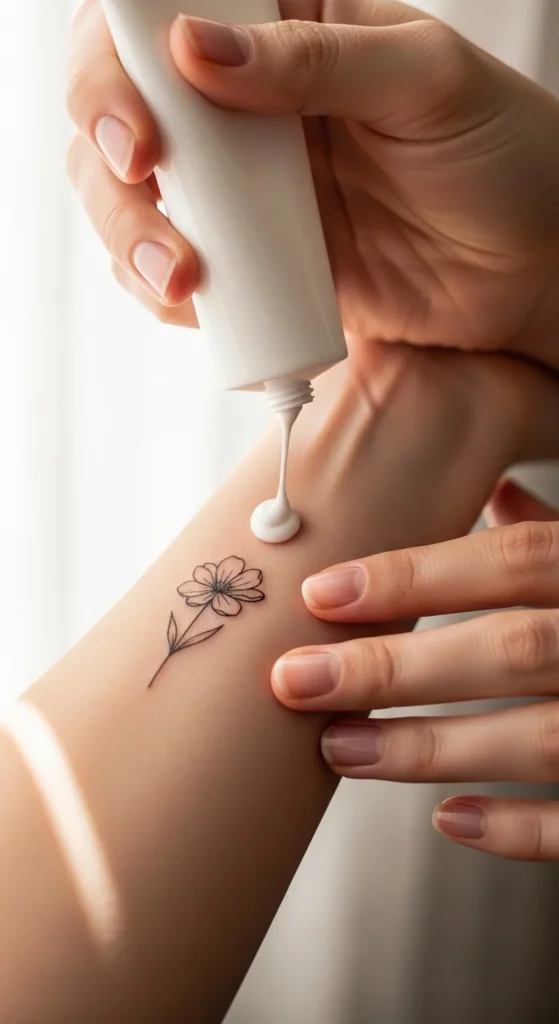
Aftercare Is Non-Negotiable
Fine-line tattoos don’t forgive lazy aftercare.
First 1–2 weeks:
- Clean gently 2–3 times daily
- Use fragrance-free moisturizer
- Avoid picking or scratching
Long-term care:
- Apply SPF 50+ daily on exposed tattoos
- Keep skin hydrated
- Avoid excessive sun exposure
Biggest enemy? UV rays—they fade thin lines quickly.
Plan for Touch-Ups (It’s Normal!)
Unlike bold tattoos, fine-line work often needs maintenance.
- Expect touch-ups every 1–3 years
- Especially for very thin or detailed designs
👉 This isn’t a flaw—it’s part of keeping the tattoo looking fresh.
Know Your Skin (It Affects Everything)
Your skin type plays a bigger role than you think.
- Oily skin: Lines may spread slightly more
- Dry skin: Holds detail better with proper care
- Stretch-prone areas: More distortion over time
A good artist will adjust:
- Needle depth
- Line spacing
- Design complexity
Avoid These Common Fine-Line Mistakes
If you want crisp results, skip these:
- Going too small with detailed designs
- Choosing inexperienced artists
- Ignoring placement impact
- Skipping sunscreen
- Expecting zero fading forever
Reality check: Fine-line tattoos are delicate by nature—plan accordingly.
The Fine-Line Tattoo Checklist
Before you book your appointment, run through this:
- ✔ Chose an experienced fine-line artist
- ✔ Picked a simple, clean design
- ✔ Sized it at least 3–4 cm
- ✔ Selected a low-friction placement
- ✔ Committed to aftercare + SPF
- ✔ Accepted touch-ups as part of the process
Final Thoughts: Crisp Today, Crisp Tomorrow
Fine-line tattoos are stunning—but they’re not “set and forget.”
If you treat them right:
- Choose smart designs
- Invest in a skilled artist
- Stay consistent with aftercare
…you’ll have a tattoo that still looks elegant years later—not faded or blurry.