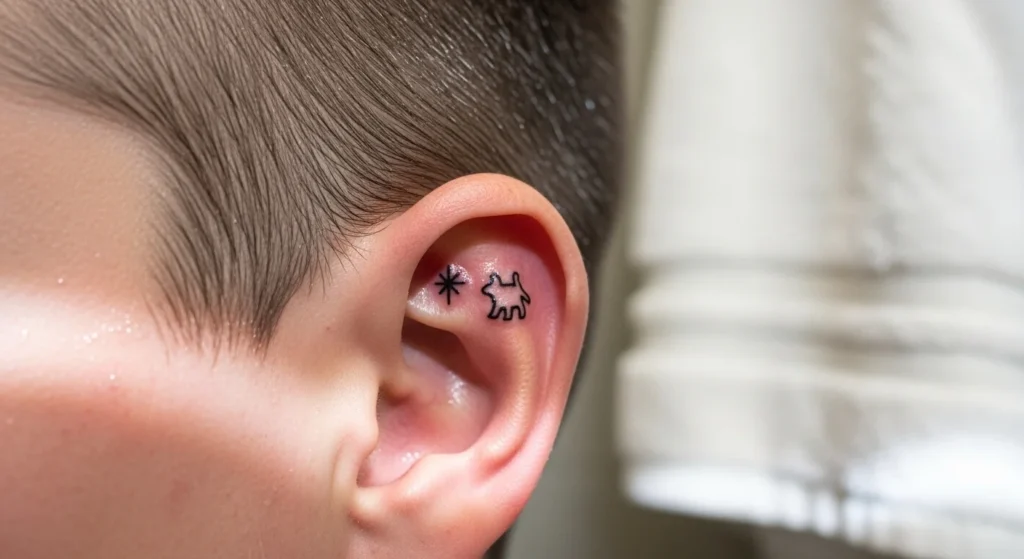
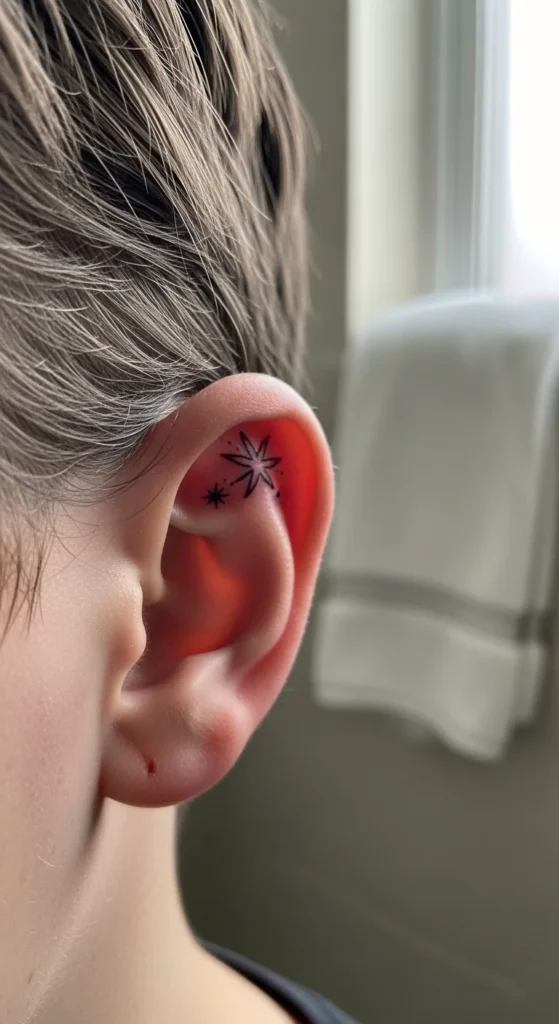
Behind-the-ear tattoos can fade fast when hair, shampoo, sweat, phones, and pillows keep touching the area. This spot is small, but it takes real discipline to heal well. The goal is simple: keep it clean, keep it calm, and stop friction before it ruins the ink.
1. Wash It Twice a Day
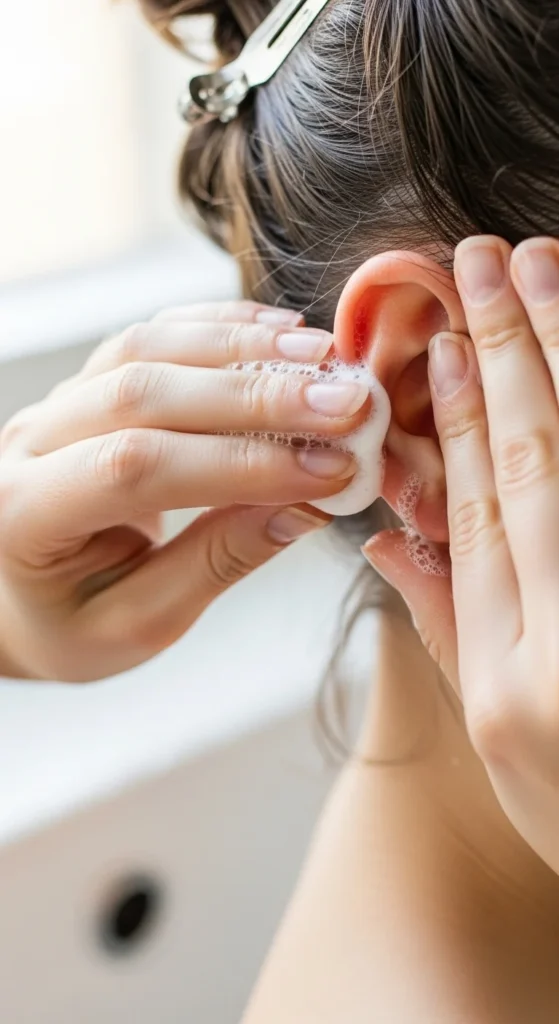
Clean the tattoo morning and night with mild, fragrance-free soap.
Use lukewarm water. Hot water dries the skin. Cold water does not clean well.
Use clean fingertips only. No washcloth. No sponge. No loofah.
Do not scrub. Move gently in small circles.
Rinse all soap away. Leftover soap can cause itching and bumps.
Pat dry with a clean paper towel or soft towel.
This simple habit prevents buildup from sweat, oil, and hair contact. Cheap unscented soap works fine. You do not have to buy fancy tattoo wash.
2. Keep Hair Off the Tattoo
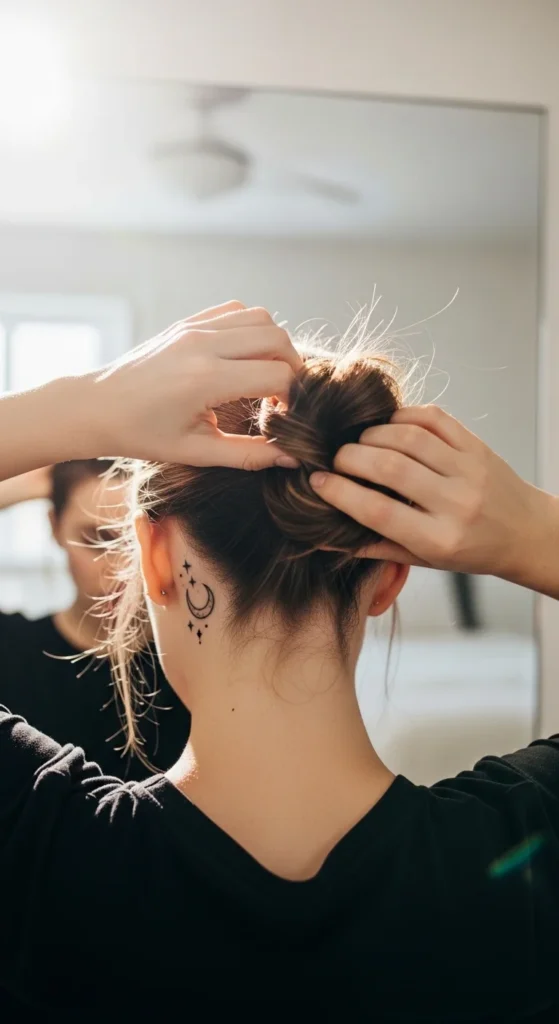
Hair carries oil, dust, and product residue.
If it touches your tattoo all day, it keeps irritating the skin.
Tie long hair up. Use a loose bun, ponytail, clip, or clean headband.
For short hair, tuck it away when possible.
Never let wet hair rest on the tattoo. Damp hair traps moisture and bacteria.
At night, pin hair away before sleeping.
This is one of the cheapest ways to protect the ink. A clean clip can save you from a blotchy heal.
3. Avoid Hair Products for 10–14 Days
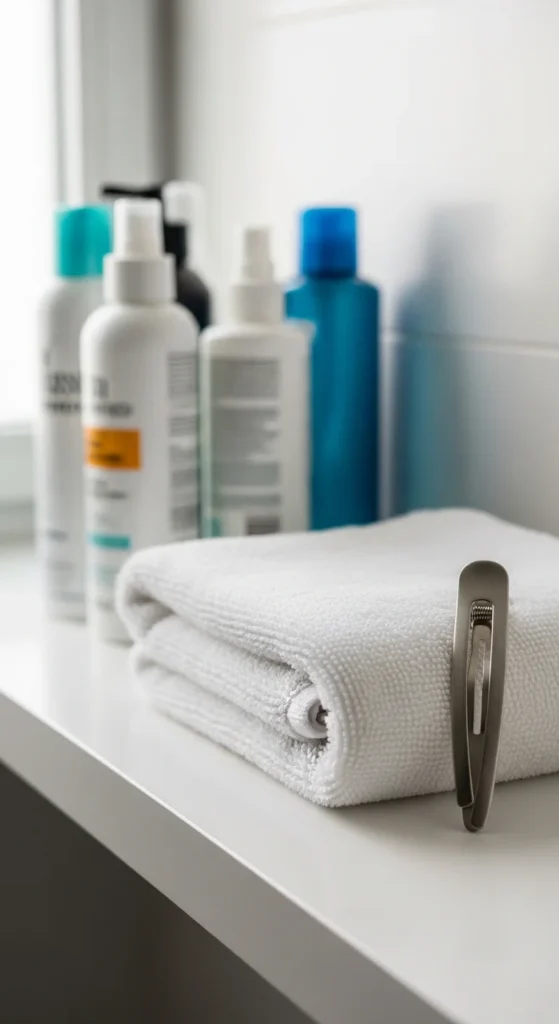
Hair spray, gel, dry shampoo, mousse, oil, and leave-in conditioner can irritate healing skin.
They can also slide behind the ear without you noticing.
For the first 10–14 days, keep products away from that side of your head.
Use simple hairstyles. Tie hair back. Skip heavy styling.
When washing your hair, tilt your head so shampoo runs away from the tattoo.
Rinse carefully.
If product touches the tattoo, wash it gently right away.
Do not gamble here. Hair products are one of the main reasons behind-the-ear tattoos heal patchy.
4. Use a Thin Layer of Ointment
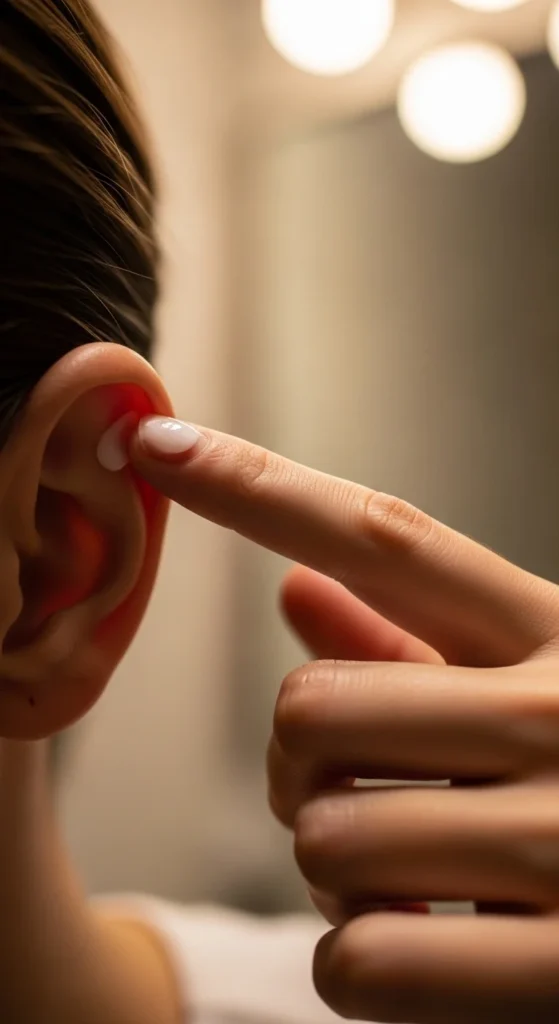
More ointment does not mean better healing.
Too much product traps moisture and blocks air.
Use a tiny amount. Think rice-grain size.
Rub it between clean fingers first. Then apply a thin layer over the tattoo.
The skin should look lightly moisturized, not shiny or greasy.
If it feels sticky, you used too much.
Budget tip: use the product your artist recommends. Do not mix five different creams.
Simple care beats product overload every time.
5. Pat Dry, Never Rub
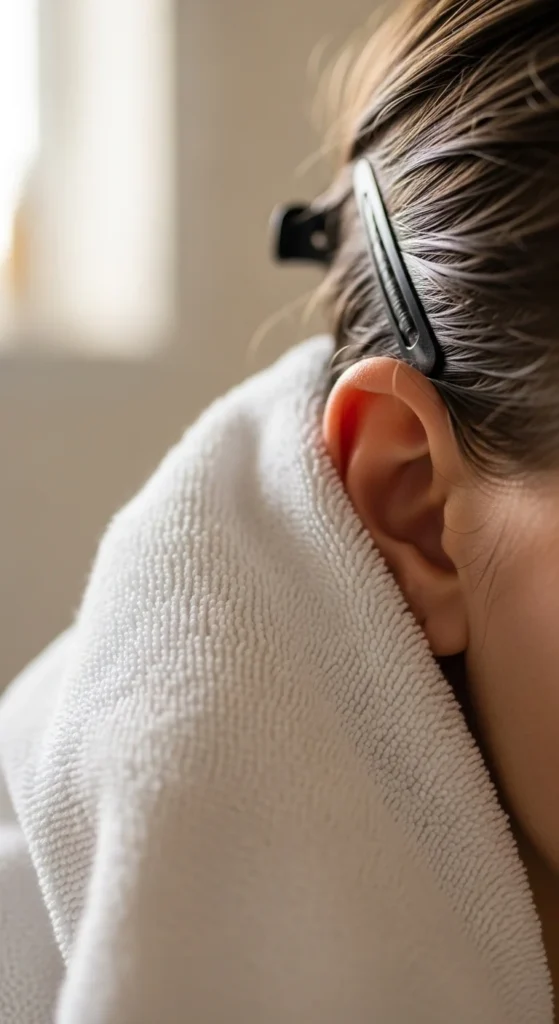
Rubbing is rough on healing ink.
It can pull at scabs, irritate skin, and remove pigment.
After washing, gently pat the area dry.
Use a clean towel or paper towel.
Do not use the same towel you use for your body if it has been sitting damp.
A paper towel is cheap and safer during the first week.
Let the area air-dry for a minute before adding ointment.
Dry skin heals better than damp skin trapped under product.
This small habit matters more than people think.
6. Sleep on the Opposite Side

Your pillow can wreck the tattoo.
It causes friction, traps sweat, and collects bacteria.
Sleep on the opposite side for at least the first week.
If you roll around at night, use pillows to block yourself.
A travel pillow can help keep pressure off the tattoo.
Change your pillowcase every night for the first few days.
Use a clean cotton shirt over the pillow if you lack extra pillowcases.
Do not sleep with wet hair.
Nighttime damage is sneaky. You wake up with irritation and wonder what happened.
7. Keep Your Phone Away
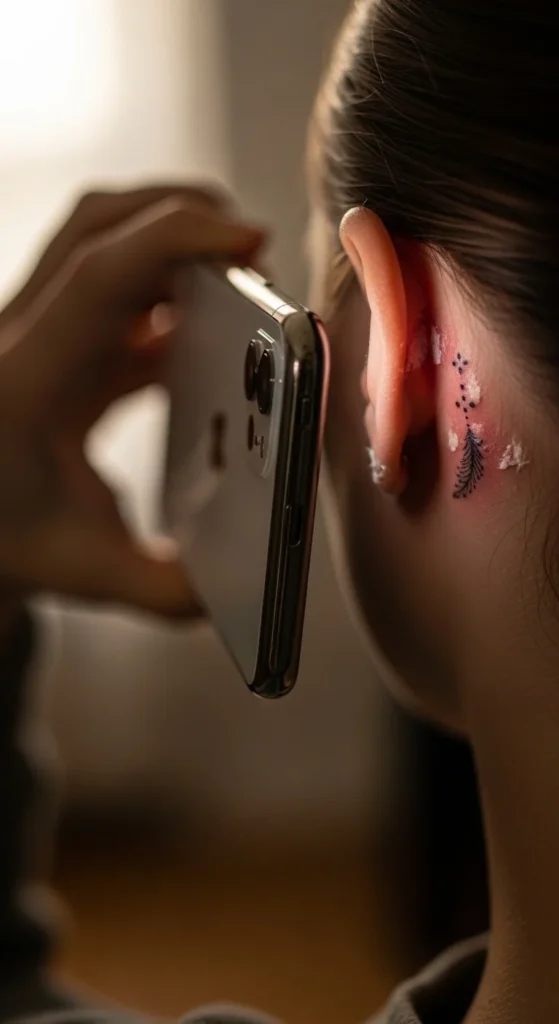
Phones are dirty.
They touch hands, bags, counters, cars, and faces all day.
Do not press your phone against the tattoo.
Use speaker mode or earbuds.
Wipe your phone daily with a safe cleaning wipe.
Avoid holding the phone between your shoulder and ear.
That pressure rubs the tattoo and adds bacteria.
This tip costs almost nothing.
Your phone is one of the easiest infection risks to control.
8. Shower Carefully
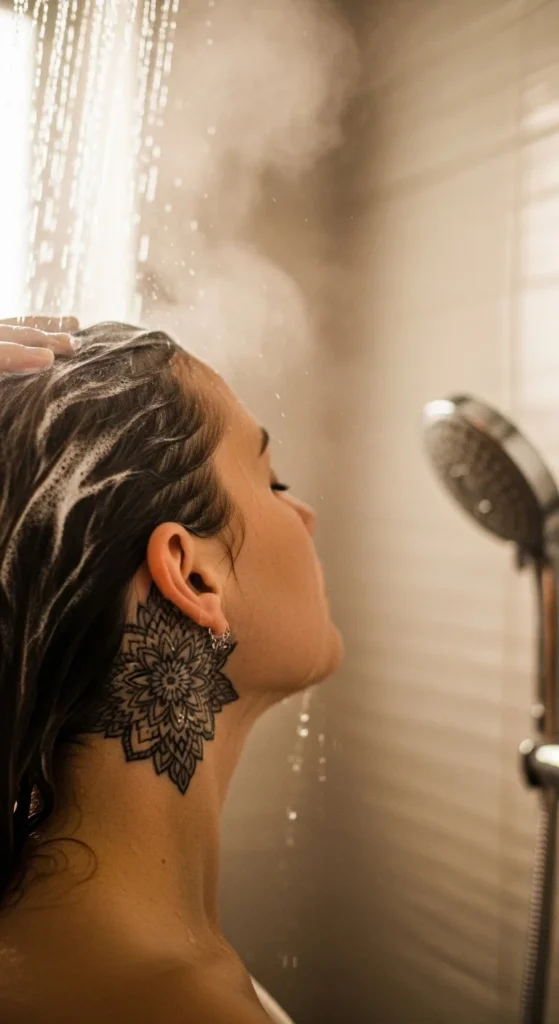
You can shower, but do not soak the tattoo.
Keep water pressure gentle.
Avoid letting shampoo and conditioner run over the tattoo.
Tilt your head away while rinsing hair.
Do not scrub the area in the shower.
Wash the tattoo after your shower if product may have touched it.
Pat dry right away.
Skip long hot showers during early healing. Heat can dry skin and increase swelling.
A quick, careful shower is better than a long steamy one.
9. Leave Scabs Alone
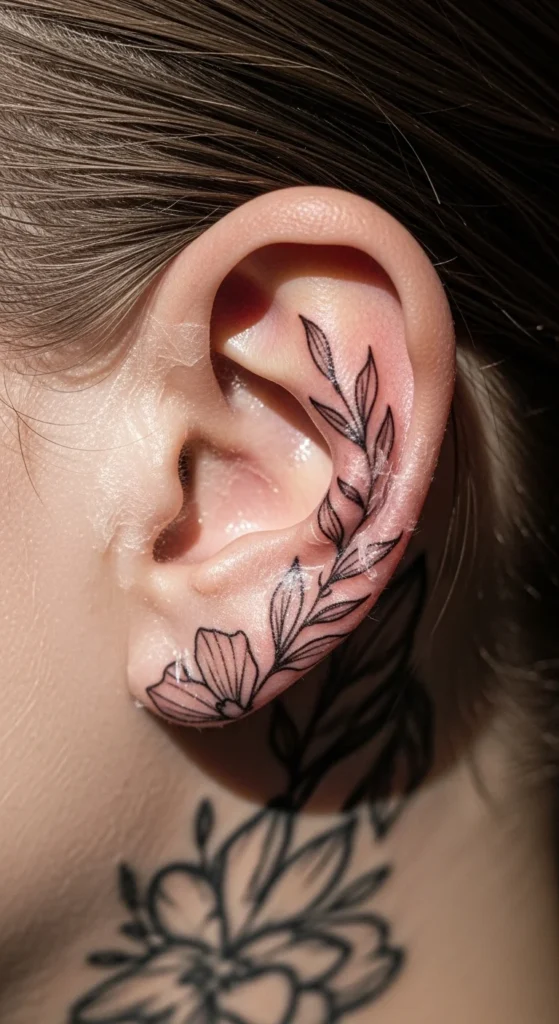
Scabs are normal.
They often show up around days 3–7.
Do not pick them. Do not scratch them. Do not “clean them off.”
Picking scabs can pull ink out.
That creates faded spots and uneven lines.
If a scab catches on hair, loosen the hair gently. Do not yank.
Keep the tattoo clean and lightly moisturized.
Let flakes fall off by themselves.
This part tests patience. If you pick, you pay for it later with a touch-up.
10. Handle Itching Without Scratching
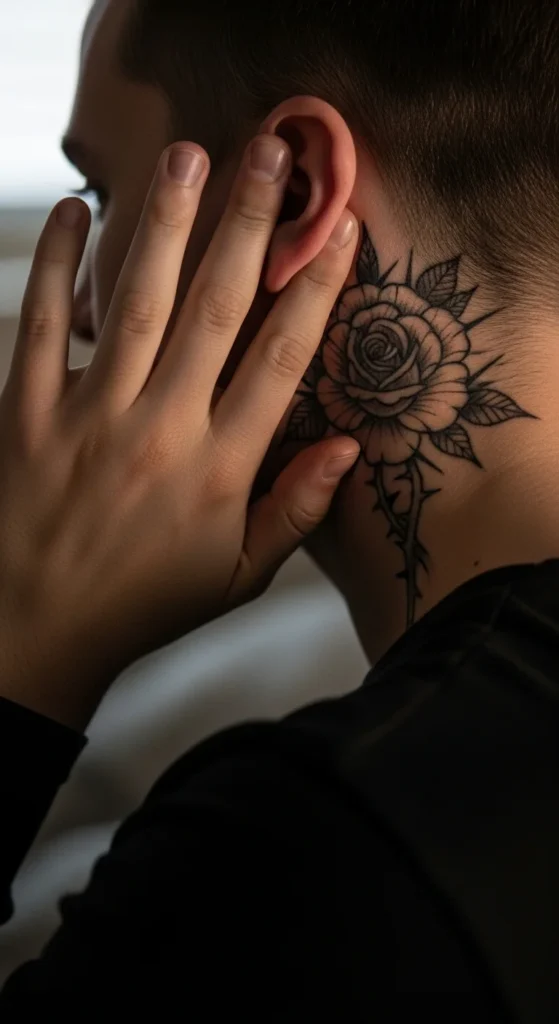
Itching usually means the skin is healing.
That does not mean you can scratch.
Scratching can break the skin and damage ink.
Tap lightly near the tattoo, not on it.
Use a cool clean compress near the area for short relief.
Keep hair off the tattoo.
Apply a very thin layer of approved lotion once the skin is ready.
Distract your hands. Hold a stress ball. Fold laundry. Do anything else.
Itching passes. Scratching can leave permanent damage.
11. Change Pillowcases Often

Your pillowcase collects sweat, oil, hair product, and skin flakes.
That is bad news for a tattoo behind the ear.
Change it daily during the first few nights.
After that, change it every couple of days until peeling ends.
No spare pillowcases? Use clean cotton T-shirts.
Put one over the pillow each night.
This is cheap, practical, and effective.
Do not sleep on a dirty pillow and then blame the tattoo artist for bad healing.
12. Use a Clean Hair Barrier
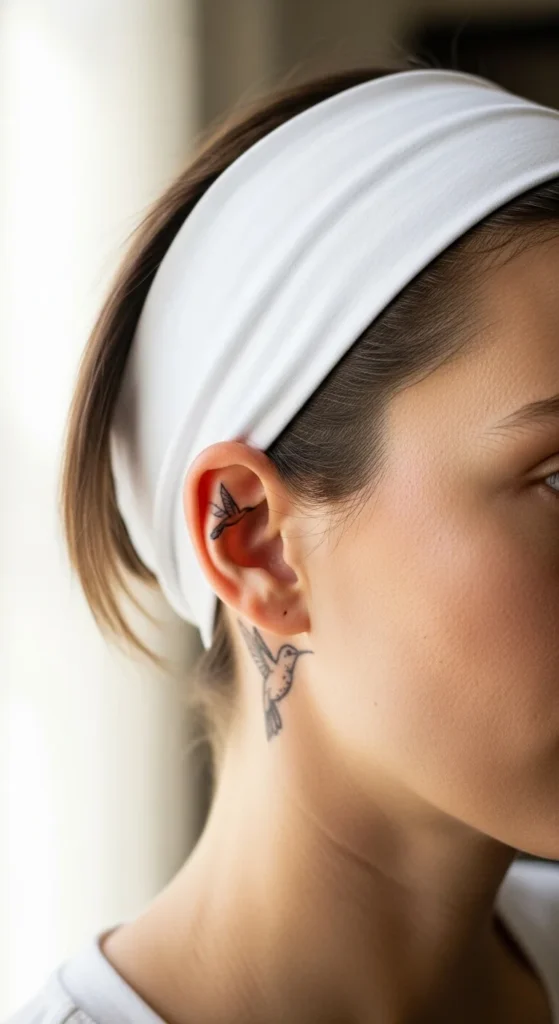
A clean headband, clip, or soft scarf can protect the tattoo from hair.
But dirty fabric makes things worse.
Wash anything that touches your head.
Avoid tight bands that press on the tattoo.
Loose is better.
Do not cover the tattoo for long periods unless your artist told you to.
Skin heals better with clean air.
Use barriers only to control hair, not to suffocate the tattoo.
Cheap clips from a pharmacy work fine.
13. Be Careful With Earbuds and Headphones
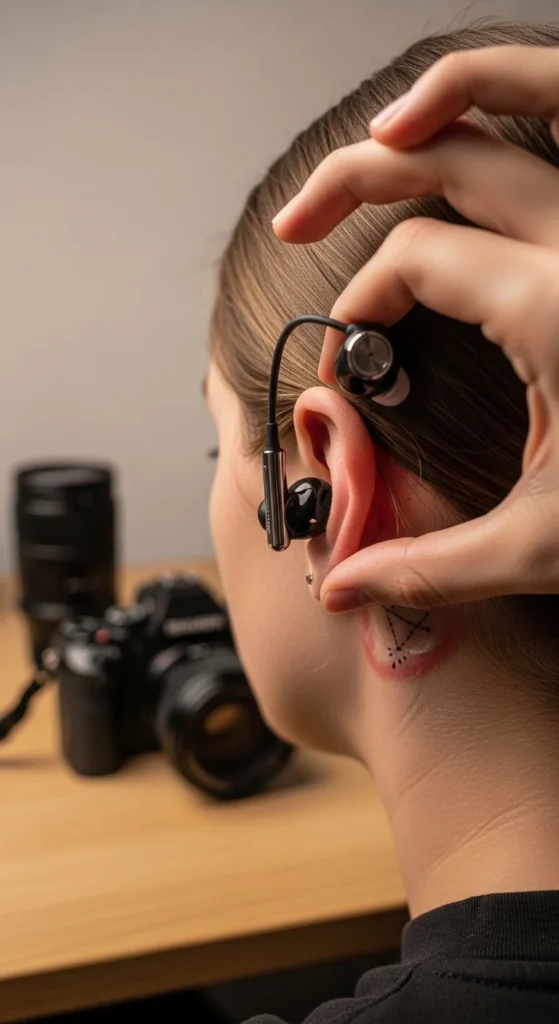
Earbuds, hooks, and headphones can rub the tattoo area.
They also carry bacteria from hands and pockets.
Avoid anything that touches behind the ear during the first week.
Use speaker mode when possible.
If you must use earbuds, clean them first.
Do not wear over-ear headphones that press near the tattoo.
Friction is the enemy.
One careless headphone session can irritate the skin for days.
14. Stay Out of Direct Sun

Sun can fade new tattoo ink fast.
During healing, keep the tattoo out of direct sunlight.
Use shade, hats, or hair placement that does not touch the tattoo.
Do not apply sunscreen on a new tattoo until the skin has healed.
Once healed, use sunscreen every time it will be exposed.
Behind-the-ear tattoos are small, so people forget them.
That mistake leads to dull lines and early fading.
Shade is free. Use it.
15. Skip Swimming for Two Weeks

Pools, lakes, oceans, and hot tubs are bad for healing tattoos.
They expose open skin to bacteria.
They also soak scabs and soften healing skin.
That can pull ink out.
Avoid swimming for at least two weeks, or until your tattoo is fully closed and peeling has stopped.
Showers are fine. Soaking is not.
If friends pressure you, ignore them.
A faded tattoo lasts longer than one missed swim day.
16. Manage Sweat
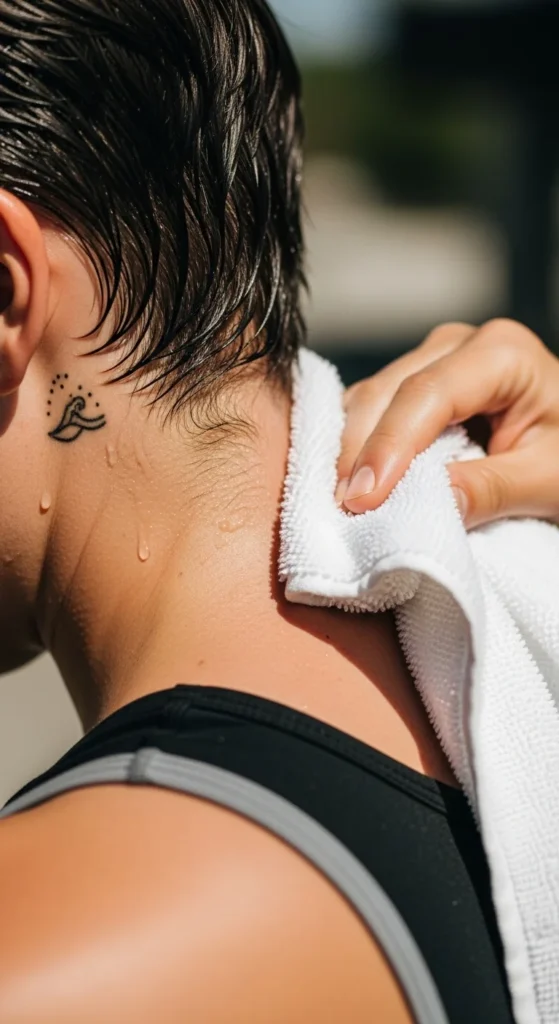
Sweat can sting and irritate the tattoo.
It also brings salt and bacteria to the skin.
Skip heavy workouts for the first few days.
Walk instead of doing intense cardio.
If you sweat, clean the tattoo gently afterward.
Do not let sweat dry behind your ear.
Avoid tight hats, helmets, or headgear that trap heat.
Healing is short. Bad ink is long-term.
Take the easier route now.
17. Build a Cheap Aftercare Kit
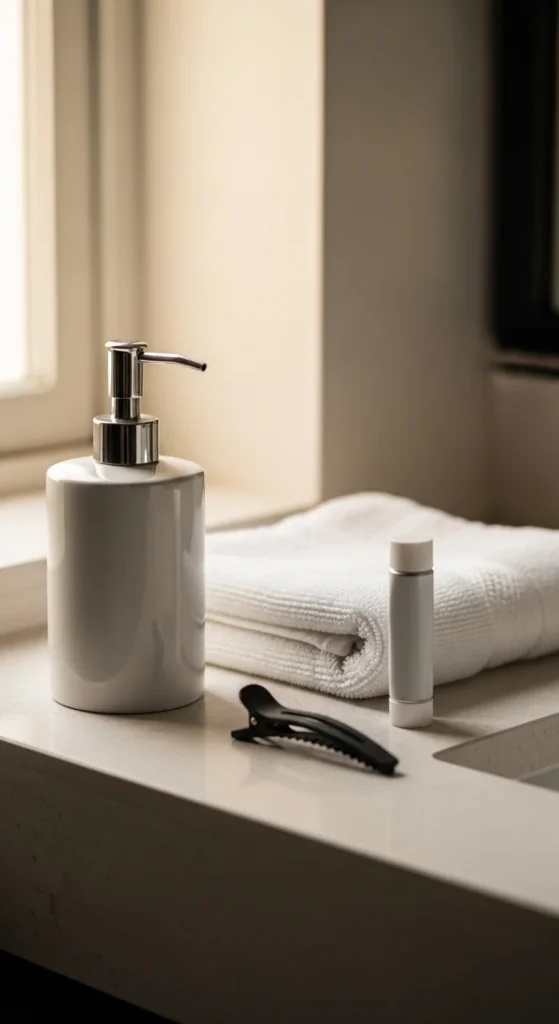
You do not need expensive products.
Make a small kit with basics:
Fragrance-free soap.
Clean paper towels.
Approved ointment.
Hair clips.
Clean pillowcase or cotton shirt.
Phone cleaning wipes.
Keep everything in one spot.
That way, you stop making lazy choices.
Good healing is mostly preparation.
A five-dollar setup can protect a tattoo that cost far more.
18. Check It Daily

Look at the tattoo once a day.
Do not obsess over every tiny change.
Watch for normal healing: light redness, mild swelling, flaking, itching, and scabbing.
Watch for bad signs: spreading redness, heat, pus, severe pain, fever, or swelling that gets worse.
Take a photo each morning in the same light.
Photos help you see real progress.
They also help your artist or doctor if something looks wrong.
Guessing is weak. Tracking gives you proof.
19. Wash Hands Before Touching
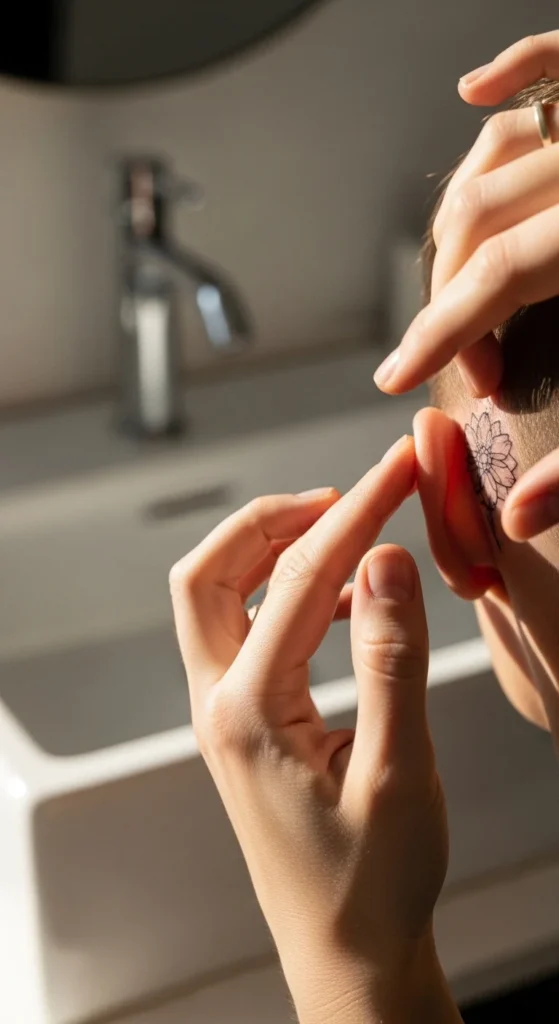
Dirty hands cause problems.
Before cleaning or applying ointment, wash your hands.
Use soap and warm water.
Dry them with a clean towel.
Do not touch the tattoo randomly during the day.
Do not let friends touch it.
Do not keep checking it with your fingers.
Every touch adds risk.
This is basic, but people still fail at it.
Clean hands are free. Use them.
20. Avoid Tight Collars and Scarves

Clothing can rub behind the ear and neck.
High collars, scarves, hoodies, and tight jackets may irritate the tattoo.
Choose loose shirts for the first week.
Be careful when pulling clothes over your head.
Do not drag fabric across the tattoo.
If you wear uniforms, keep the area as clear as possible.
Soft cotton is better than rough fabric.
Friction causes fading. Control it early.
21. Control Flyaway Hair
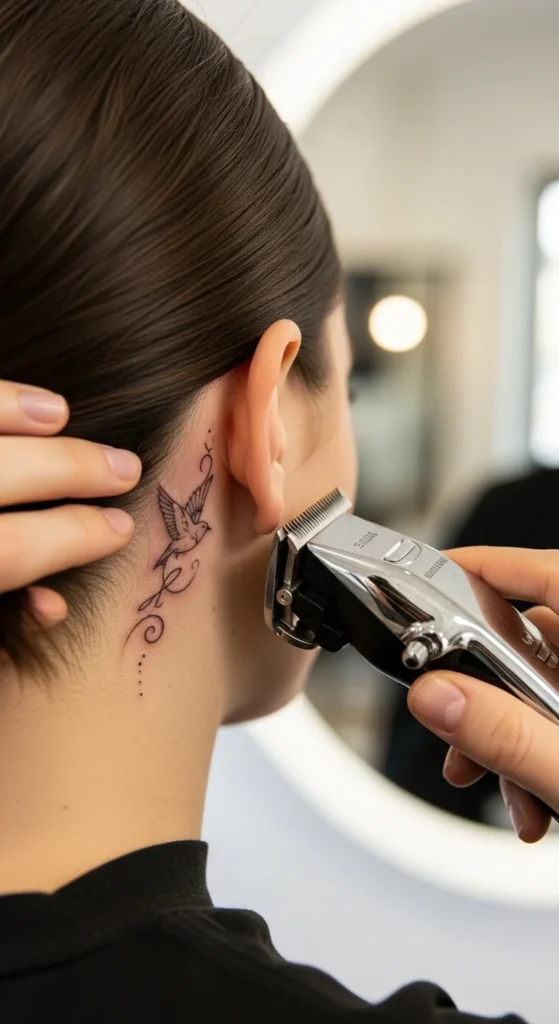
Tiny hairs can stick to ointment.
That causes itching and irritation.
Use clips, pins, or a loose headband.
Do not use styling gel to hold hair back.
That defeats the point.
If hair keeps falling onto the tattoo, braid it loosely.
For short hair, use clean bobby pins.
Keep it simple.
You are not styling for a photoshoot. You are protecting the ink.
22. Switch to Lotion After Flaking Slows
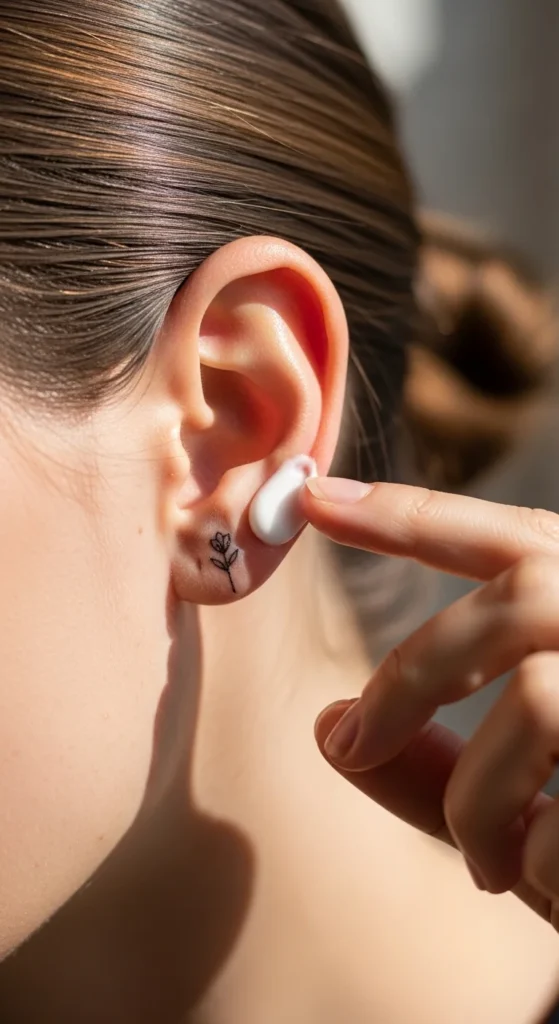
Once scabs fall naturally and peeling slows, your artist may suggest lotion.
Use fragrance-free lotion only.
Apply a tiny amount.
Do not use heavy perfume creams.
Do not use body butter if it feels greasy.
The skin should feel soft, not coated.
If lotion burns, stop using it and wash gently.
This stage helps dryness without drowning the tattoo.
The rule stays the same: thin layers win.
23. Use Sunscreen After It Heals
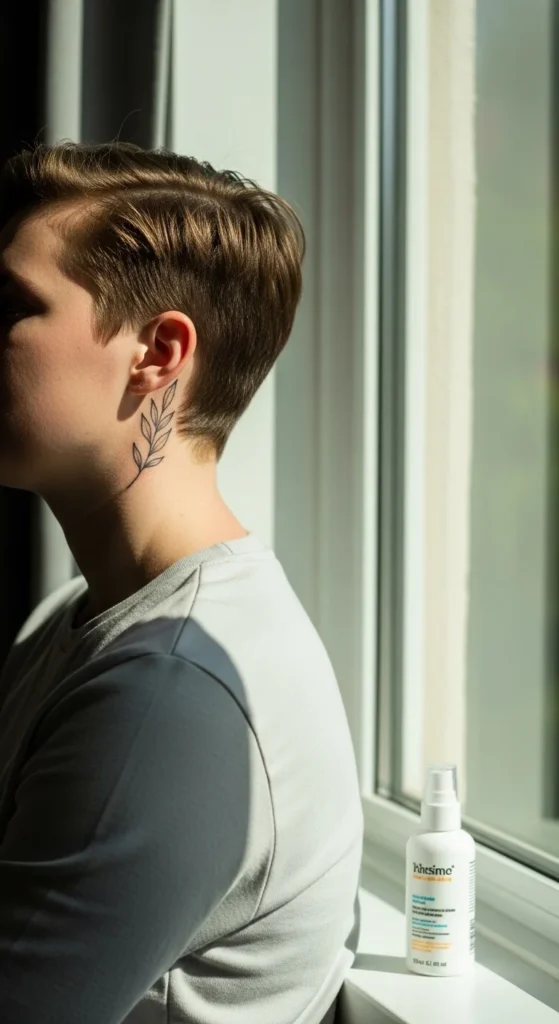
Do not put sunscreen on broken or peeling skin.
Once healed, sunscreen becomes your anti-fading habit.
Use SPF 30 or higher.
Apply it behind the ear before sun exposure.
Reapply if sweating or staying outside.
This tattoo is easy to forget because you do not see it all day.
Make it part of your routine.
A cheap sunscreen can protect the lines for years.
Skip it, and fading will show faster.
24. Plan for a Touch-Up if Needed
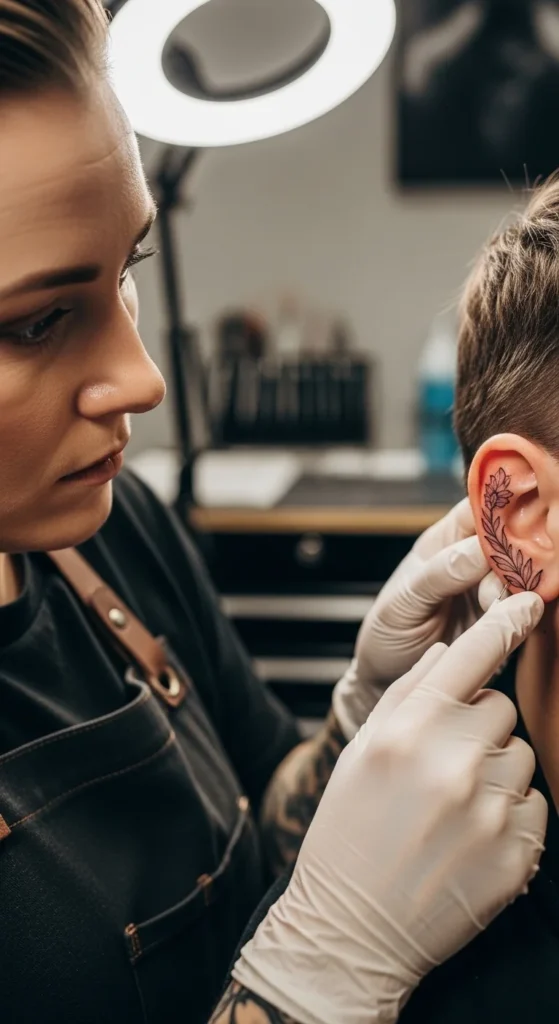
Behind-the-ear tattoos can fade from friction, hair, and skin movement.
A touch-up is not failure.
It is normal for small detailed tattoos in tricky spots.
Wait until the tattoo fully heals before judging it.
Do not panic during peeling. Healing tattoos often look dull for a while.
Ask your artist when to come back if lines look light.
Take clear photos before your appointment.
The goal is clean healing first, touch-up second.
Rushing back too soon can damage the skin.
Conclusion
Behind-the-ear tattoo healing is not complicated. It is strict. Keep it clean, keep hair and products away, avoid friction, protect it from sun, and stop touching it. Do the boring steps every day, and your tattoo has a much better shot at healing sharp instead of fading early.