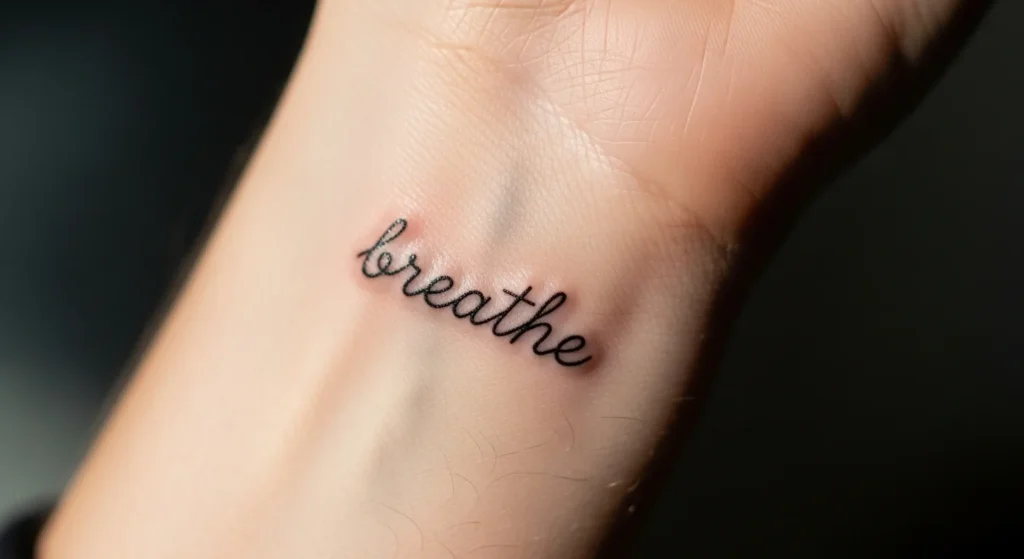
Tiny tattoos look effortless—but choosing the wrong font can turn your meaningful words into a blurry mess in just a few years. The truth? Small tattoo fonts require strategy, not just style.
If you want ink that stays sharp, readable, and beautiful over time, you need to think beyond aesthetics. Let’s break it down in a simple, no-fluff way so you can choose a font that actually lasts.
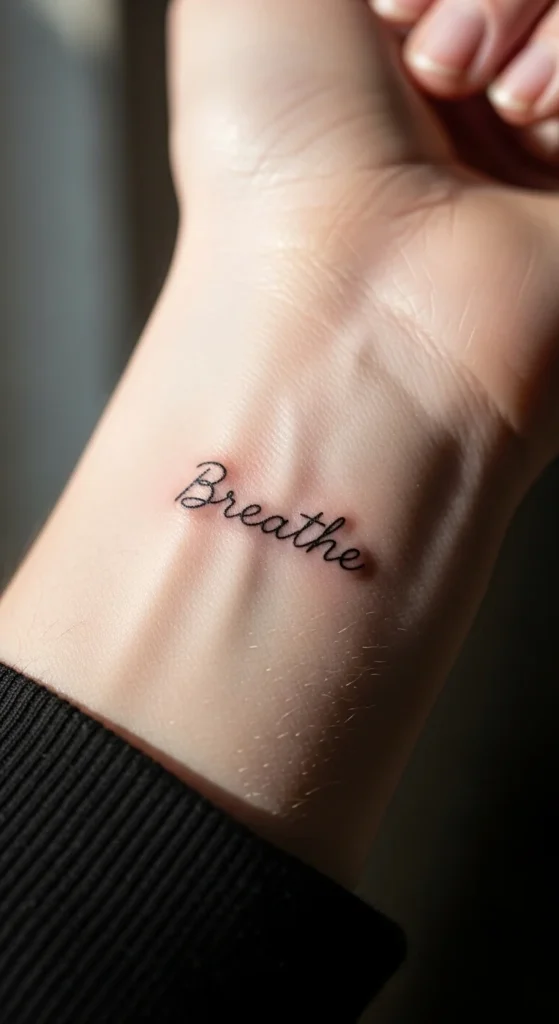
Why Small Tattoo Fonts Blur (And How to Avoid It)
Before picking a font, you need to understand the enemy: ink spread.
Over time:
- Ink naturally expands under the skin
- Thin lines can merge together
- Tight spacing turns letters into blobs
The biggest mistakes people make:
- Choosing overly thin or intricate fonts
- Going too small too soon
- Ignoring placement (yes, it matters A LOT)
Quick fix mindset:
Think “clear and bold”, not “tiny and fancy.”
Step 1: Choose Fonts That Stay Legible
When it comes to small tattoos, simplicity always wins.
Best font styles:
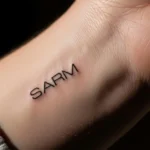
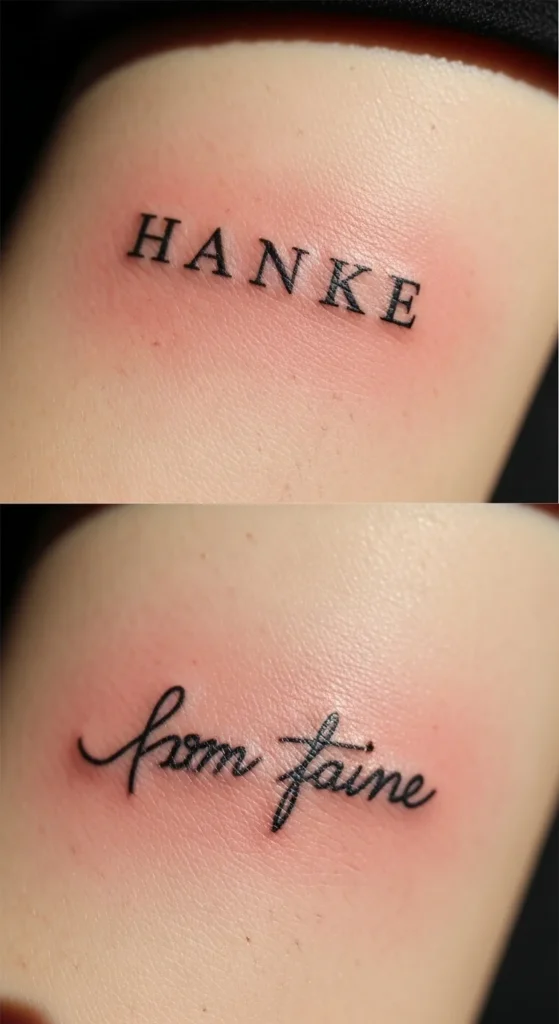
- Sans-serif fonts (clean, modern, no extra strokes)
- Minimalist lettering
- Lightly bold text (not too thin)
Safer font choices:
- Clean styles similar to Arial or Helvetica
- Slightly bold minimalist fonts
- Simple uppercase lettering
Fonts to avoid:
- Overly decorative scripts
- Ultra-thin cursive
- Fonts with too many loops or flourishes
Pro Tip: If you can’t read it clearly from a distance on your phone, it won’t age well on skin.
Step 2: Get the Size Right (This Is Crucial)
Size is EVERYTHING for longevity.
Safe size guidelines:
- Minimum: 8–12 points equivalent
- Better: slightly bigger than you think you need
Why bigger is better:
- Letters have room to “breathe”
- Ink spread won’t merge characters
- It stays readable after years
Golden rule:
👉 If it feels “just a little too big,” it’s probably perfect.
Step 3: Fix Spacing (Kerning Is the Secret Sauce)
Even the best font can fail with bad spacing.
What to focus on:
- Letter spacing (kerning): avoid letters touching
- Line spacing: don’t stack words too tightly
- Margins: give your tattoo room around edges
Why this matters:
Over time, ink expands—tight spacing = merged letters.
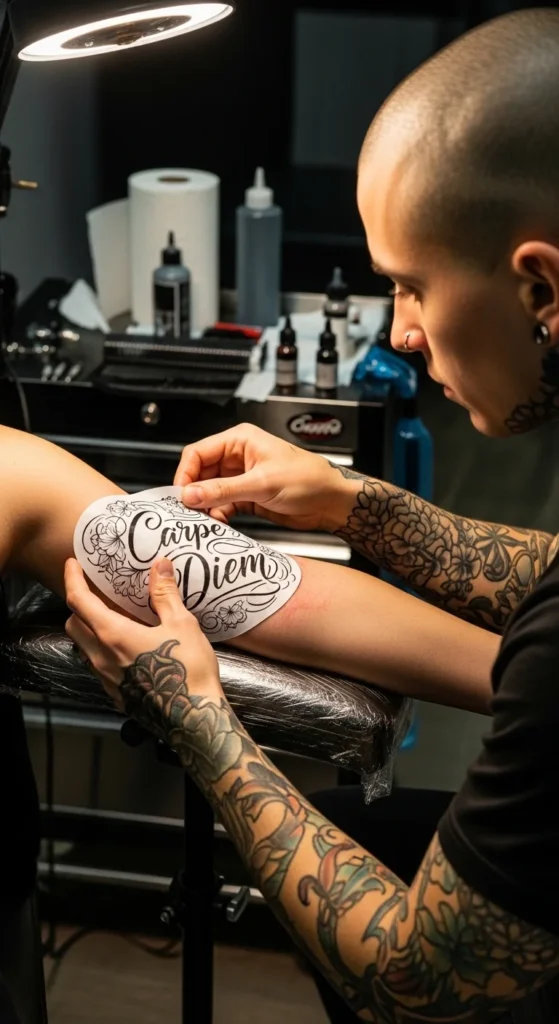
Ask your artist to:
- Slightly increase spacing
- Adjust letters manually (custom tweaks are gold)
Step 4: Pick the Right Placement
Placement can make or break your tattoo.
Best areas for small text:
- Forearm
- Upper arm
- Shoulder
- Upper back
Risky areas:
- Fingers (fade FAST)
- Ribs (stretching + movement)
- Ankles/feet (friction + sun exposure)
Why placement matters:
- High-friction zones = faster fading
- Stretch-prone areas = distorted text
Simple rule:
👉 The calmer the skin, the longer your tattoo lasts.
Step 5: Match the Font to Your Skin Type
This is something most people ignore—but it’s a game changer.
If your skin is:
- Oily: go slightly bolder
- Elastic/stretchy: avoid thin lines
- Dry/normal: more flexibility in styles
Why it matters:
Different skin types affect how ink settles and spreads.
Step 6: Test Before You Ink
Never skip this step.
Easy ways to test:
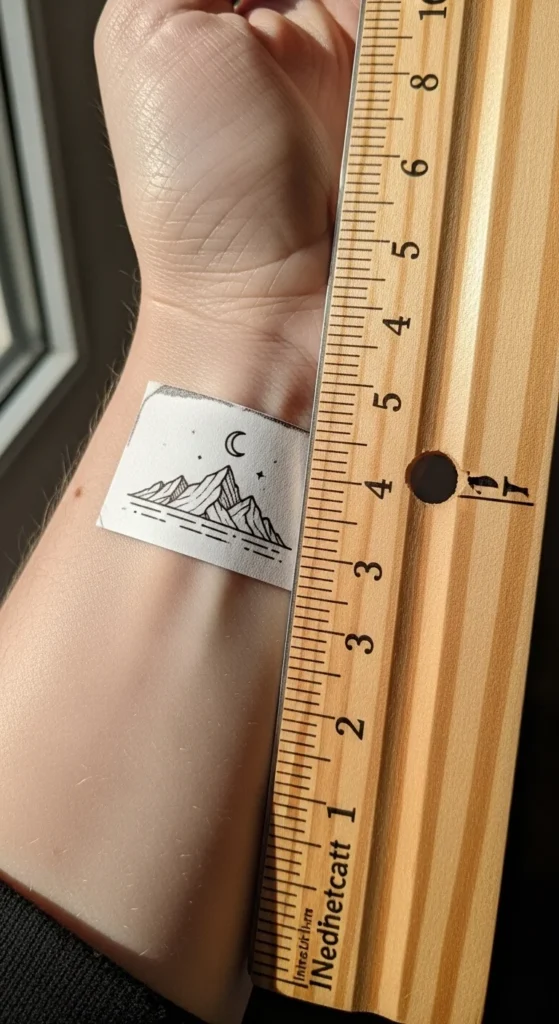
- Print your tattoo at actual size
- Place it on your skin
- Look at it from different distances
Even better:
Ask your tattoo artist for a stencil test.
This helps you:
- See real placement
- Check readability
- Adjust before it’s permanent
Step 7: Keep It Short and Meaningful
Long quotes = higher risk of blur.
Best choices:
- Single words
- Initials
- Short phrases (2–4 words max)
Why shorter works:
- Bigger letters = better longevity
- Easier to space properly
- Cleaner overall look
Step 8: Aftercare = Long-Term Sharpness
Even the perfect font can fade without proper care.
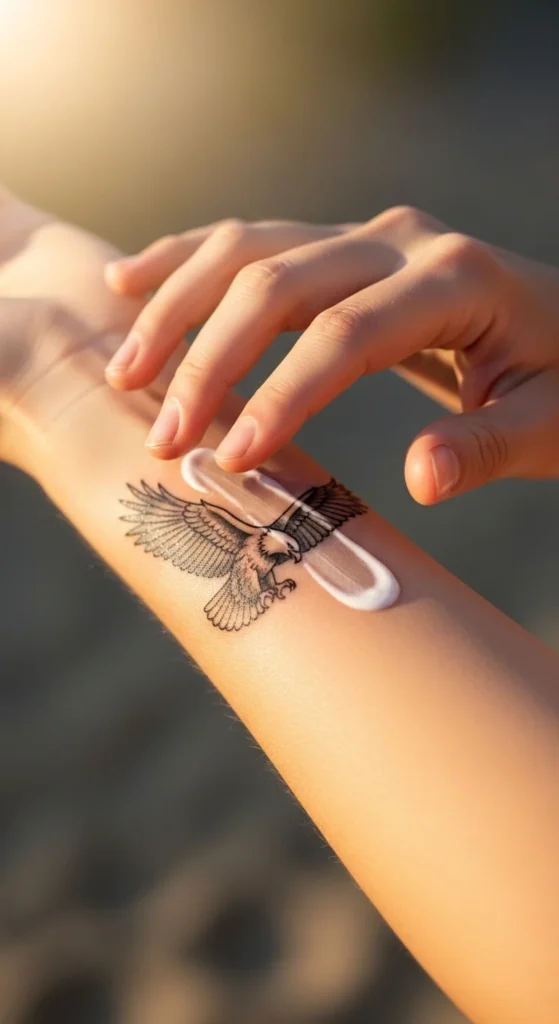
Must-follow aftercare tips:
- Keep it moisturized
- Avoid direct sunlight (especially early on)
- Use sunscreen after healing
- Don’t pick or scratch
Long-term tip:
Touch-ups are normal—don’t stress about them.
Final Thoughts: Think Long-Term, Not Just Aesthetic
Choosing a small tattoo font isn’t just about what looks good today—it’s about what will still look good in 5–10 years.
Quick recap:
- Go simple (sans-serif wins)
- Size up slightly
- Add spacing
- Choose smart placement
- Test before committing
Your tattoo is permanent—but blur doesn’t have to be.
👉 Take your time, consult a skilled artist, and design something that ages beautifully.
Love this guide? Save it for later before your tattoo appointment!