Realism tattoos stop people mid-step. They look like photographs living on skin—full of depth, emotion, and detail. But here’s the truth many don’t tell you: realism tattoos demand smarter decisions than almost any other style. One rushed choice can turn a stunning idea into a lifelong regret.
If you’re considering realism ink, this guide will help you choose wisely—so your tattoo ages beautifully and still feels powerful years from now.
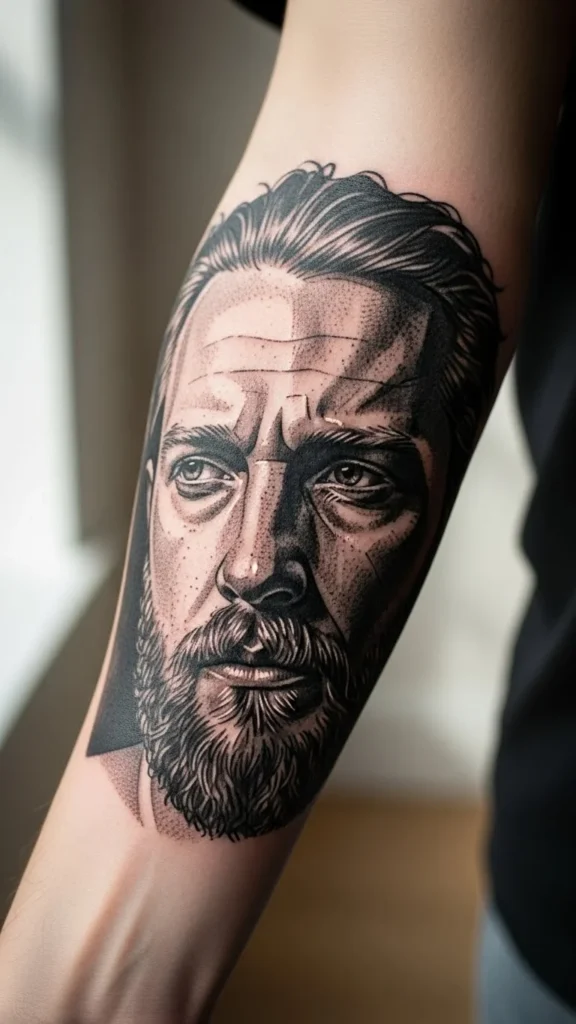
Understand What “Realism” Really Means
Realism tattoos are designed to replicate real life, not stylize it. That includes:
- Human portraits
- Animals
- Nature elements
- Objects with texture (fabric, metal, skin)
Unlike traditional or line-based styles, realism relies on smooth shading, contrast, and subtle transitions—not outlines.
Important to know:
- There’s very little room for error
- Healing and aging matter more
- Artist skill matters more than the idea
Realism is about illusion. And illusions only work when executed perfectly.
Choose the Right Subject Matter
Not every photo or idea translates well into skin.
Strong realism tattoo subjects usually have:
- Clear lighting and shadows
- High contrast
- Emotional expression
- Simple backgrounds
Better choices:
- Faces with strong features
- Animals with defined fur or eyes
- Single focal-point objects
Be cautious with:
- Group portraits
- Blurry or low-quality photos
- Extremely small designs
If the subject feels meaningful and visually clear, you’re on the right track.
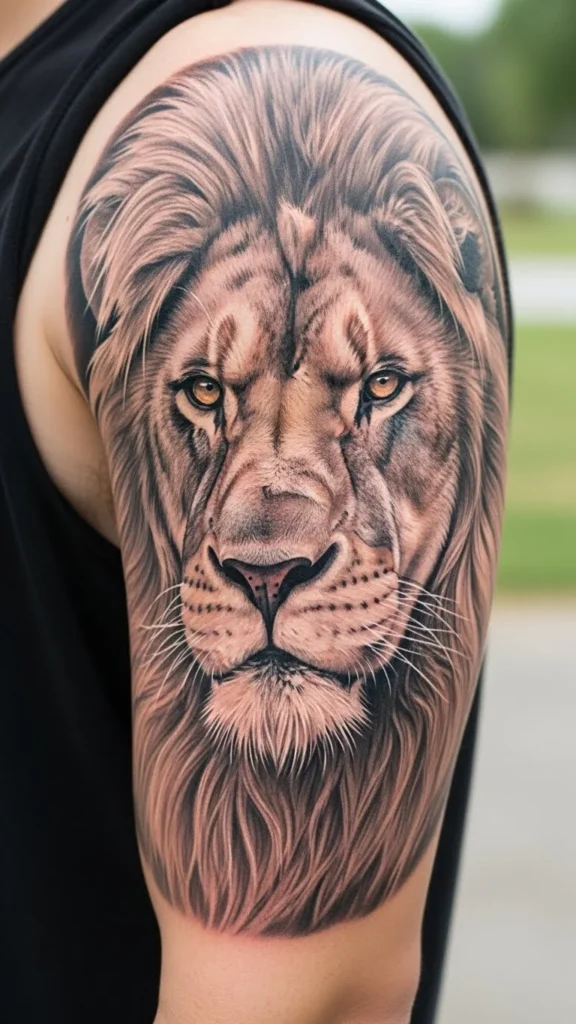
Pick Placement That Supports Longevity
Realism tattoos need space. Skin movement and distortion can quickly ruin fine details.
Best placement areas:
- Upper arm
- Thigh
- Upper back
- Shoulder blade
- Calf
Areas to avoid for realism:
- Hands
- Fingers
- Neck sides
- Inner wrist
Why placement matters:
- More surface area = better detail
- Less stretching = cleaner aging
- Stable skin = longer-lasting realism
Tip: If your artist suggests going bigger, listen. Size protects detail.
Research the Artist Like It’s a Long-Term Investment
Realism is not a style every tattoo artist can do well.
When researching artists:
- Look for healed photos (very important)
- Zoom in on skin texture and transitions
- Check if portraits resemble the actual person
- Look for consistency across their work
Ask smart questions:
- How long have you specialized in realism?
- How does this tattoo age over time?
- Do you recommend black & gray or color for my idea?
A great realism artist will guide you—not rush you.
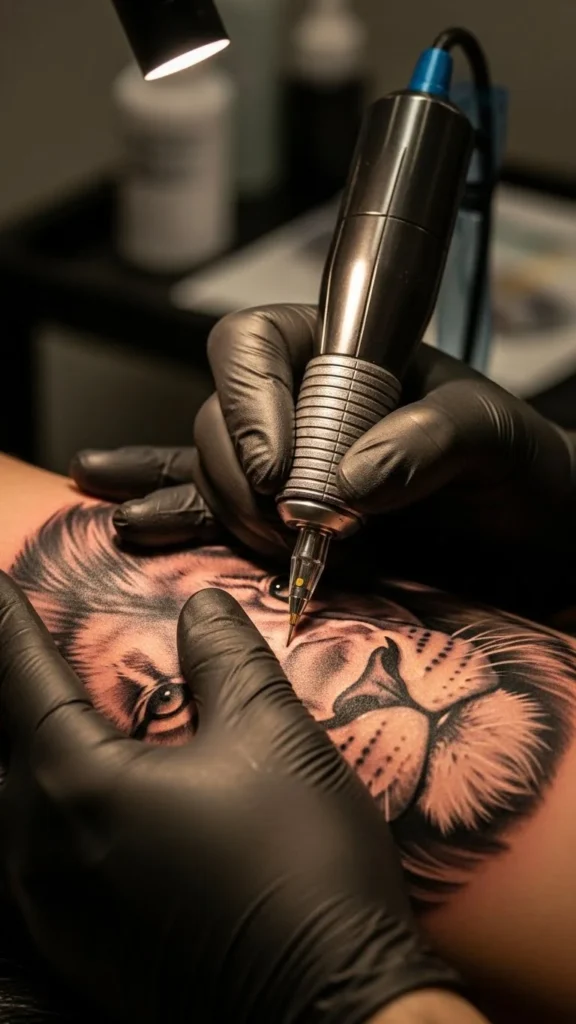
Decide Between Black & Gray vs Color
Both styles can look incredible—but they age differently.
Black & gray realism:
- Ages more predictably
- Keeps contrast longer
- Works well for portraits and dramatic themes
Color realism:
- Feels vibrant and lifelike
- Requires excellent color theory
- Needs strong aftercare and sun protection
If longevity is your top priority, many artists recommend starting with black & gray.
Think Long-Term, Not Just Fresh Ink
Fresh realism tattoos always look stunning. The real test is five to ten years later.
To improve aging:
- Avoid ultra-light shading only
- Make sure contrast is strong
- Don’t shrink complex designs
- Follow aftercare instructions closely
Sun exposure is the biggest threat. Even the best realism tattoo can fade without protection.

Prepare for Healing and Touch-Ups
Realism tattoos often require:
- Longer sessions
- More intense healing
- Possible touch-ups
This is normal—not a red flag.
Aftercare basics:
- Keep it clean and lightly moisturized
- Avoid sun during healing
- Don’t over-wash
- Be patient with peeling and settling
Touch-ups help restore contrast and detail once the skin fully heals.
Match Realism to Your Personal Style
A realism tattoo is a statement. It draws attention.
Ask yourself:
- Do I like bold visual impact?
- Will this still feel like me years from now?
- Does it fit my lifestyle and wardrobe?
If the answer is yes, realism can be incredibly rewarding. If you prefer subtle or symbolic designs, consider blending realism with softer elements.
Final Takeaway
Choosing a realism tattoo wisely means slowing down. Pick the right subject, trust a specialized artist, choose smart placement, and think long-term. When done right, realism tattoos don’t just decorate your skin—they tell a story that lasts.