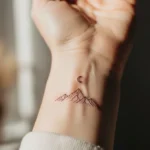
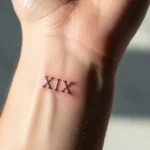
You’ve got a tattoo idea living in your head—but turning that idea into ink can feel intimidating. What if you don’t use the right words? What if the artist misunderstands you? Here’s the good news: you don’t need perfect language or drawing skills. You just need clarity, honesty, and a little preparation.
This guide will show you how to explain your tattoo idea to an artist in a way that feels confident, respectful, and collaborative—so the final result feels right on your skin.
Start With the Meaning, Not the Design
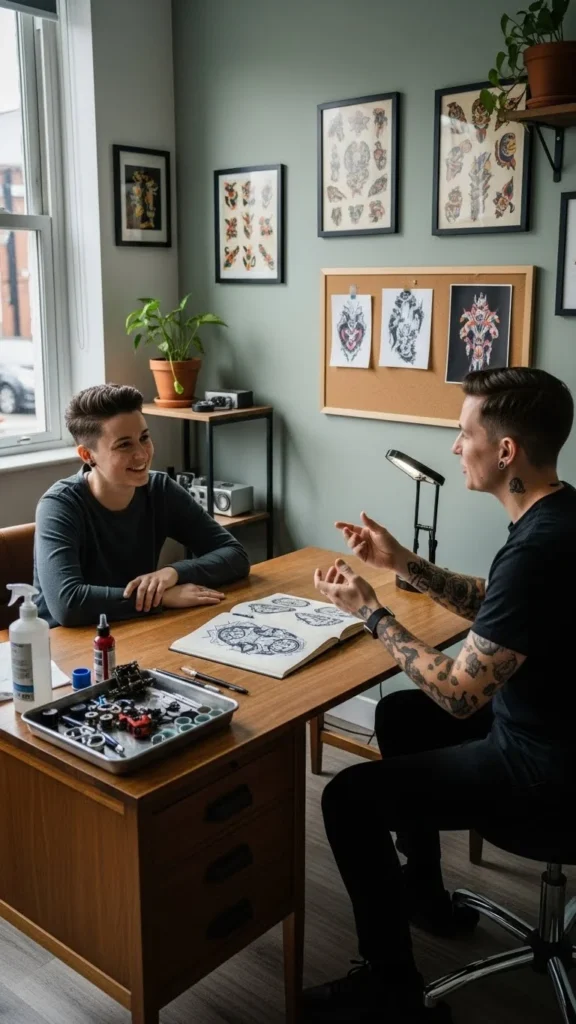
The biggest mistake people make is jumping straight to visuals. Artists first want to understand why the tattoo matters.
Begin by explaining:
- The story behind the idea
- The emotion you want it to carry
- Whether it’s symbolic, decorative, or both
You might say:
- “This represents a turning point in my life.”
- “I want it to feel calm and grounding.”
- “It’s a reminder, not a statement piece.”
Meaning gives your artist direction before they even think about lines or shapes.
Describe the Feeling You Want It to Give
You don’t need technical tattoo terms. Feelings are more useful.
Helpful words include:
- Soft or bold
- Delicate or strong
- Minimal or detailed
- Quiet or expressive
Try comparisons:
- “I want it gentle, not loud.”
- “More elegant than edgy.”
- “Something timeless, not trendy.”
Artists translate emotion into design. Your job is to describe the vibe.
Bring Visual References (But Don’t Overdo It)
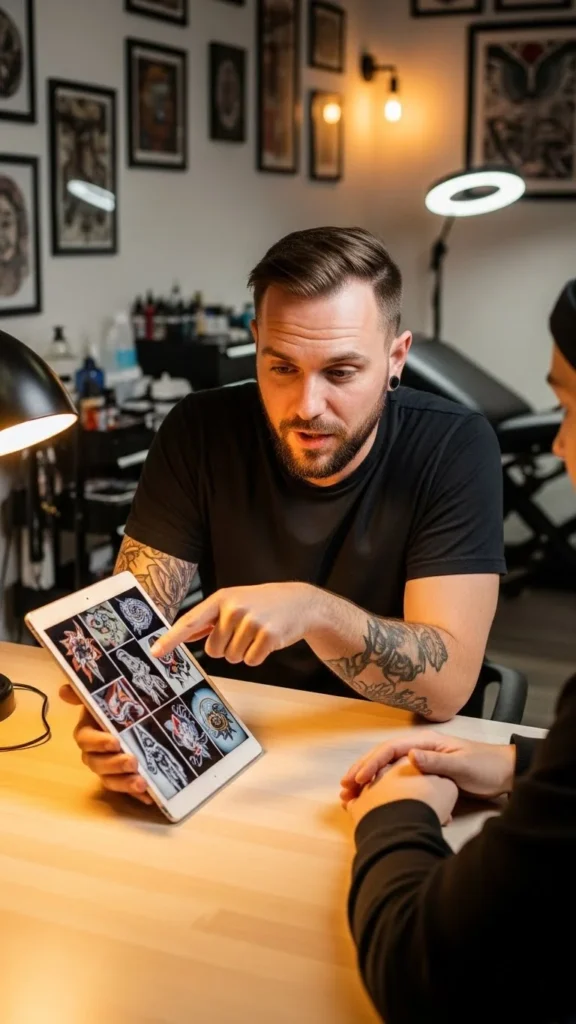
Images help bridge the gap between your idea and the artist’s interpretation.
Bring:
- 5–15 reference images
- A mix of tattoos, art, textures, or symbols
- Images that show parts you like
Explain what you like about each image:
- Line thickness
- Shading softness
- Color mood
- Placement flow
Avoid saying:
“I want this exact tattoo.”
Instead say:
“I like the way this flows” or “I love this level of detail.”
This invites creativity instead of copying.
Be Clear About Placement and Size
Placement changes everything. The same design can look completely different depending on where it sits.
Tell your artist:
- Where you’re thinking of placing it
- Whether you want it visible or private
- If this area already has tattoos
Also talk about size:
- Do you want subtle or statement?
- Are you open to going bigger if needed?
Artists may suggest adjustments for longevity or flow. Stay open—this is part of their expertise.
Share What You Don’t Want (This Is Important)
Sometimes it’s easier to explain dislikes than likes.
Let your artist know:
- Styles you don’t connect with
- Colors you want to avoid
- Details that feel too much
Examples:
- “I don’t want it too dark.”
- “I prefer clean over busy.”
- “Nothing too sharp or aggressive.”
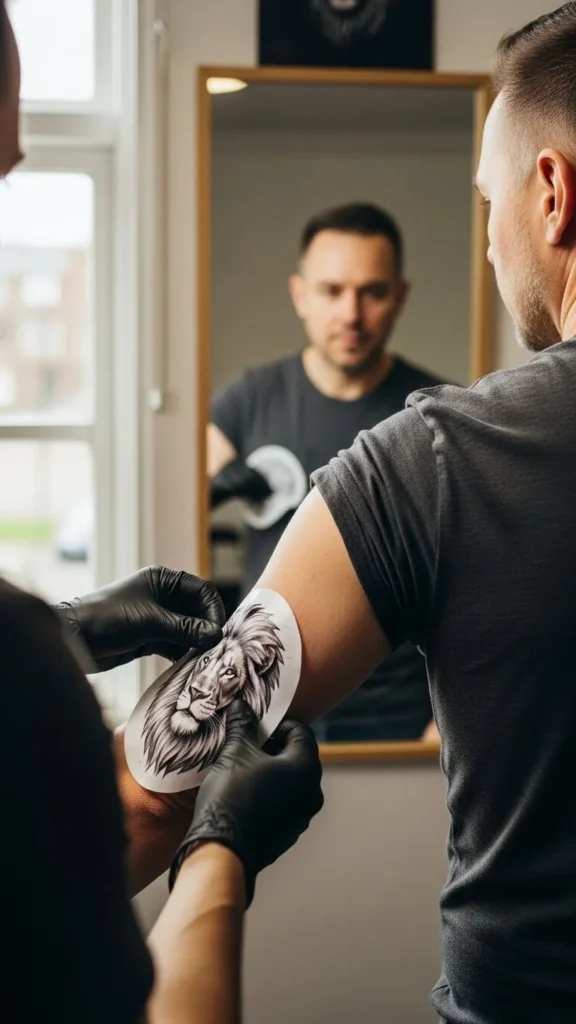
Clear boundaries prevent misunderstandings and revisions later.
Be Honest About Your Experience Level
Whether this is your first tattoo or your tenth matters.
Tell your artist:
- If you’re nervous
- If pain tolerance is a concern
- If you’ve healed tattoos before
This helps them:
- Suggest better placements
- Adjust session length
- Guide you through the process
There’s no shame in being new. Artists appreciate honesty.
Trust the Artist’s Input
Once you’ve explained your idea, step back and listen.
A good artist might:
- Suggest design changes
- Recommend different sizing
- Adjust contrast for aging
- Simplify or enhance elements
This isn’t rejection. It’s collaboration.
Remember: you’re hiring their eye, not just their hands.
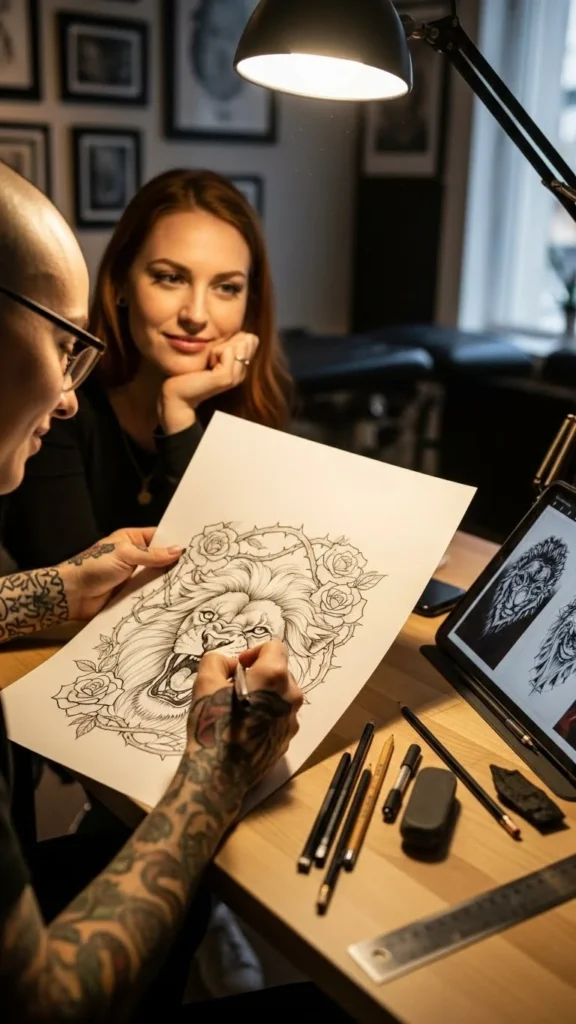
Ask Smart Questions Before Finalizing
Before you say yes, ask questions that help you feel confident.
Good questions include:
- “How will this age over time?”
- “Would this placement work long-term?”
- “Do you recommend black and gray or color?”
- “Will it need touch-ups later?”
Clear answers lead to peace of mind.
Don’t Rush the Decision
You don’t have to finalize everything in one conversation.
It’s okay to:
- Ask for time to think
- Request small changes
- Sleep on the design
A tattoo lasts a lifetime. Taking an extra day is never a mistake.
Final Takeaway
Explaining your tattoo idea isn’t about being perfect—it’s about being clear and open. When you share meaning, emotion, references, and boundaries, you give your artist everything they need to create something personal and lasting.